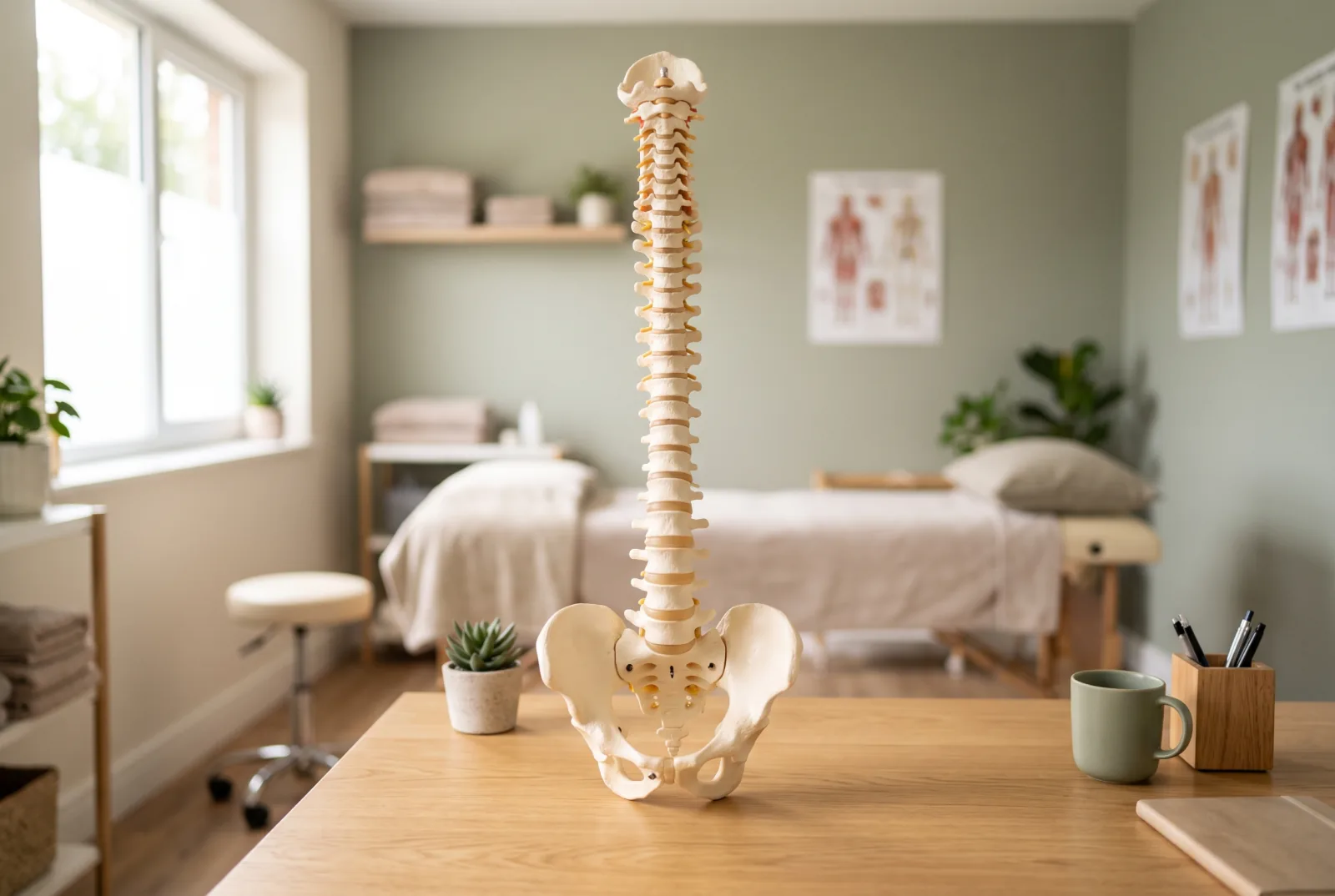

Hip Replacement Prehab: Making the Waiting Period Work for You
Most people scheduled for a total hip replacement spend the months before surgery watching the date get closer. That waiting period is actually the most trainable time in the entire surgical journey, and what you do with it shapes how the first weeks after surgery feel.
BY THE LAUNCH REHAB TEAM
Most people scheduled for a total hip replacement spend the months before surgery watching the date get closer. They rest more, move less, and wait. That waiting period is actually the most trainable time in the entire surgical journey, and what you do with it shapes how the first weeks after surgery feel.
This post covers why prehab before a hip replacement matters, what the exercises look like in practice, and how a physiotherapist supervises the program when surgery is still weeks or months away.
Why the period before surgery is useful preparation time
A total hip arthroplasty replaces a worn joint with a prosthetic one. The joint itself is new on day one. The muscles around it are not. The hip abductors, extensors, and flexors that move the new joint have been weakened by months or years of pain-driven avoidance, and they are the same muscles post-operative rehabilitation has to rebuild from scratch.
Research consistently shows that patients who complete structured physiotherapy in the 6 to 8 weeks before surgery reach walking, stair-climbing, and functional independence milestones faster after it. The mechanism is not complicated: a hip abductor that enters surgery stronger exits with a higher baseline to rebuild from, rather than starting at its lowest point. Post-operative inhibition, where the nervous system suppresses muscle output as a protective response after the procedure, is still real, but it costs less when the starting position was stronger.
The practical implication is that exercise in this period is the first phase of your recovery, just on the other side of the operating date.
When to start prehab
The typical recommendation is 6 to 8 weeks before surgery. This gives enough time to build meaningful strength, address gait and mobility deficits, and arrive on surgery day better conditioned without pushing into a period so close to the operation that the body has not had time to absorb the training.
If you are further out, because BC surgical waitlists vary and can stretch to six months or longer depending on the procedure, hospital, and surgeon (current wait times are searchable through the provincial Surgery Wait Times tool), starting earlier is not wasted effort. A painful hip that is avoided rather than moved loses strength and range of motion progressively. Maintaining mobility through that waiting period keeps the functional decline slower, makes daily life more manageable, and sets up a better starting point whenever surgery arrives.
If you are unsure whether surgery is the right decision at all, the conservative care question is worth working through first. Our piece on hip osteoarthritis physiotherapy covers what structured exercise can do before or instead of a replacement, and what the guidelines say about sequence.
Who prehab is for
Prehab before a hip replacement is most relevant for adults who are already on a surgical waitlist for a total hip arthroplasty, or who have been recommended surgery by an orthopedic surgeon but have not yet booked a date. The typical age range runs from the mid-fifties to the early eighties, though that varies.
It is also worth noting for people who are unsure whether to proceed with surgery. Structured physiotherapy sometimes changes that decision by improving function enough that the quality-of-life threshold for surgery looks different after 8 weeks of good preparation. That is a conversation to have with your surgeon and your physio together.
What prehab includes: five exercises with form cues
A prehab program for hip replacement targets the muscles that will be most demanded in the first weeks after surgery: the gluteus maximus, gluteus medius, hip flexors, and the leg's ability to perform a controlled sit-to-stand. A physiotherapist adjusts these to your current range of motion, co-morbidities, and pain levels. Below is the foundation most programs build from.
1. Glute bridges
Lie on your back with knees bent and feet flat on the floor, hip-width apart. Drive your heels into the floor and lift your hips until your body forms a straight line from shoulders to knees. Hold for two seconds at the top and lower slowly.
Sets and reps: 3 sets of 12 to 15. Progression: when this feels easy, try a single-leg version by lifting the non-operative foot a few centimetres off the floor while bridging on the working leg.
What it targets: the gluteus maximus, the primary hip extensor and the muscle most responsible for rising from a chair and climbing stairs after surgery.
2. Clamshells
Lie on your side with your hips stacked, knees bent to about 45 degrees, and feet together. Keeping the feet in contact, rotate the top knee toward the ceiling as far as you can without rolling your pelvis backward. Lower slowly.
Sets and reps: 3 sets of 15 per side. Progression: add a light resistance band around the thighs, just above the knees.
What it targets: the gluteus medius, the hip stabilizer that controls the pelvis during walking. Prolonged limping before surgery weakens it, and weakness in this muscle is one of the main contributors to the Trendelenburg gait (hip dip) many people notice in early post-op walking.
3. Standing hip abduction
Stand beside a stable surface for balance. Keeping the moving leg straight and your trunk upright, lift it out to the side to about 30 to 40 degrees. Pause, then lower slowly. Avoid leaning toward the support.
Sets and reps: 3 sets of 12 per side. Progression: loop a resistance band around the ankles and add it once you can complete 12 reps with controlled form throughout.
What it targets: hip abductors including the gluteus medius and tensor fasciae latae, both of which are important for lateral stability during walking.
4. Straight-leg raises
Lie on your back. Bend the opposite knee and place that foot flat on the floor. Keep the working leg straight and lift it to the height of the bent knee, then lower slowly.
Sets and reps: 3 sets of 12 per side.
What it targets: the hip flexors (primarily iliopsoas and rectus femoris) without requiring hip flexion under load, which can be irritating in an arthritic hip. This exercise specifically prepares the hip flexors for the first steps and stair work after surgery.
5. Sit-to-stand
Sit at the front edge of a firm chair with feet flat on the floor, shoulder-width apart. Push through your heels and rise to standing, trying to use the armrests as little as possible. Lower back down with control.
Sets and reps: 3 sets of 10.
What it targets: this is the most functional prehab exercise because it replicates the first movement most post-surgical patients are asked to perform in hospital, and then repeatedly throughout the first week at home. The stronger this pattern is before surgery, the easier that first week is.
Range-of-motion work
Beyond strengthening, keeping the hip moving through its available range is useful. Hip circles in standing (holding a surface for balance and drawing slow circles with the knee lifted), gentle stationary cycling on a high-set seat with minimal resistance, and water walking if a pool is accessible all help maintain joint mobility without loading the hip aggressively.
One practical note: set the stationary bike seat high enough that hip flexion at the top of each pedal stroke stays under 90 degrees. End-stage hip osteoarthritis often finds hip flexion past 90 degrees uncomfortable, and forcing that range as a warm-up does not help the prehab.
What to avoid
The goal of prehab is building load tolerance in the muscles that will be demanded post-operatively, not pushing the arthritic joint into pain.
Movements to avoid or minimize before a hip replacement: deep squats that take the hip past 90 degrees of flexion, crossing the legs (which is also a post-operative precaution for many approaches), and aggressive stretching into the painful end of range. If a movement consistently triggers sharp or lingering pain during or after, back off and raise it with your physiotherapist.
In the prehab period the work targets the muscle surrounding the joint.
How a physiotherapist supervises prehab
The exercises above are a starting framework, not a prescription. A physiotherapist regulated by the College of Health and Care Professionals of BC (CHCPBC) assesses your current hip range of motion and strength, notes any co-morbidities that change the loading approach (cardiac conditions, the other hip or knee, lower back involvement), and adjusts the program accordingly.
Supervision also means tracking whether things are going backward. If hip pain is climbing through the prehab period rather than staying manageable, that is information the treating physio uses to dial back load, prioritize range-of-motion work, or raise a flag about timeline with you and your surgeon.
The education component is part of the visit too. Knowing what the first post-operative session will ask of you, what a walker feels like before you need one, and which functional milestones are most important in the first two weeks reduces the anxiety that tends to slow early rehab down.
For people who are also managing a knee, or who are unsure which joint is driving their symptoms, our piece on knee replacement prehab and rehab runs through the same framework for that joint.
Booking your first session: no referral needed
Physiotherapy in BC does not require a referral from a family physician or specialist. You can book directly with any of our five studios across Metro Vancouver. If you have a surgical booking letter, bring it to the first appointment so the physio can see your surgery date and build the program backward from it.
Most extended health plans in BC reimburse physiotherapy under a separate pool from other services. Coverage limits and direct billing details for Launch Rehab are on our rates and FAQ page.
The most common thing we hear from patients after surgery is that they wish they had started prehab earlier. If your surgery date is on the calendar, book an assessment now. If you are waiting for a date, the same logic applies. The hip you walk into that operating room with is the one that sets the ceiling on your first weeks of recovery.
Frequently asked questions
Does prehab before a hip replacement actually help?
Research consistently shows that patients who complete pre-operative physiotherapy tend to recover functional milestones, including walking and stair-climbing, faster after surgery. The mechanism is that stronger muscles enter the post-surgical inhibition period from a higher baseline rather than starting near zero. The effect is shortening how long the first weeks after surgery feel difficult.
When should I start prehab before a hip replacement?
The typical recommendation is 6 to 8 weeks before surgery, which gives enough time to build meaningful strength without pushing training so close to the operation date that the body has not absorbed it. If you are further out on a BC surgical waitlist, starting earlier is still useful. Maintaining strength and mobility during the wait slows the decline that a painful, avoided hip produces over time.
Can I do these exercises on my own, or do I need a physiotherapist?
You can start gentle movement independently, but a physiotherapy assessment is worth doing before loading in earnest. A physio will match the program to your current range of motion, strength, and any health factors that change the loading, and they track progress toward your surgery date. This matters more for prehab than for a typical strength program, because an arthritic hip does not always tolerate standard exercise cues.
Do I need a referral for physiotherapy in BC?
No. Physiotherapy in BC is direct-access, meaning you can book an assessment without a referral from a family physician or a surgeon. If you have a surgical booking letter, bring it to the first appointment so the physiotherapist can build your prehab program backward from the surgery date.
Will hip flexor weakness affect my recovery from hip replacement?
Yes. Weakness in the hip flexors and abductors before surgery means recovery starts from a lower baseline, since the same muscles that were weakened by months of pain-driven avoidance are the ones post-operative rehabilitation needs to rebuild. Prehab specifically targets these muscles with exercises like straight-leg raises and standing hip abduction to raise that floor before the operation happens.
Is hip replacement prehab covered by extended health in BC?
Most extended health plans include a physiotherapy pool that covers prehab visits, though coverage limits and annual maximums vary by plan and employer. MSP covers a limited number of physiotherapy visits per year for Supplementary Benefits enrolees, which can also apply toward prehab sessions. Current rates and direct billing information for Launch Rehab are on our rates page.
Is prehab still worth it if my surgery date is only a few weeks away?
Yes. Even a short window of consistent exercise, particularly glute bridges, clamshells, and sit-to-stands, adds some strength compared with no preparation at all. A physiotherapist will adjust expectations and intensity for a compressed timeline, focusing on the exercises that transfer most directly to the first post-operative week rather than a full 6 to 8 week progression.
What happens if I do not do any prehab before hip replacement?
Skipping prehab is common and most people still recover well, since post-operative rehabilitation is designed to rebuild strength from whatever baseline you arrive with. The difference prehab makes is in the pace of that early recovery: patients who enter surgery weaker often need more time and more sessions in the first few weeks to reach the same walking and stair-climbing milestones.
Does prehab reduce the risk of complications after hip replacement?
Prehab is not primarily a complication-prevention strategy. Its main documented benefit is faster recovery of function, including walking and stair-climbing, in the weeks after surgery. Overall surgical complication rates are driven more by factors like overall health, other medical conditions, and surgical technique than by pre-operative strength, though better conditioning can support a smoother recovery once you are home.
For how rehab stages work after any operation, and who pays for it, see our guide to physiotherapy after surgery.
This article is general information, not personal medical advice. A regulated practitioner can confirm whether the patterns described apply to you.
Sources
- Effectiveness of prehabilitation on outcomes following total knee and hip arthroplasty for osteoarthritis: a systematic review and meta-analysis of randomized controlled trials, Disability and Rehabilitation, 2024
- College of Health and Care Professionals of BC (CHCPBC): Physical Therapists
- Surgical wait times, Province of British Columbia
WRITTEN BY
The Launch Rehab Team
Practical recovery and training notes from the clinicians at our five Metro Vancouver studios.
FOUND THIS USEFUL?
Share it with your network on LinkedIn. We wrote a ready-to-post version for you.
FILED UNDER
- hip-replacement
- prehab
- total-hip-arthroplasty
- physiotherapy
- hip-pain
- bc