

JOURNAL
Stories from the studio.
Recovery and training notes from our physiotherapists, chiropractors, RMTs and kinesiologists. Short reads, written for the people we treat.
 Conditions
Pickleball Shoulder: Why Serving Irritates the Rotator Cuff, and What to Do About It
A nagging shoulder from serving is the most common pickleball injury physiotherapists see. Here is why the serve loads the rotator cuff, what the pain usually means, and why loading the tissue beats resting it or rushing to surgery.
READ Conditions
Men's Pelvic Floor Physiotherapy for Leakage After Prostate Surgery
Leaking urine after prostate surgery is common, and pelvic floor physiotherapy is a first-line option for it. Here is what the male pelvic floor does, why leakage happens after a radical prostatectomy, what the evidence for pelvic floor muscle training actually shows, and what a physiotherapy assessment involves.
READ Conditions
IT Band Syndrome: Why the Outside of Your Knee Hurts (and Why Stretching Rarely Fixes It)
Sharp pain on the outer edge of the knee that shows up part way into a run or ride is often iliotibial band syndrome. It is easy to confuse with runner's knee, and the old advice to stretch and foam-roll the band misreads what is actually going on. Here is what the anatomy and the treatment research support.
READ Injury Prevention
Falls and Wrist Fractures in Pickleball: Why They Happen and How to Lower the Risk
Falls are the leading way pickleball players get hurt, and the wrist takes the hit more than anywhere else. Here is why it happens, how to lower the odds, and what recovery from a broken wrist actually involves.
READ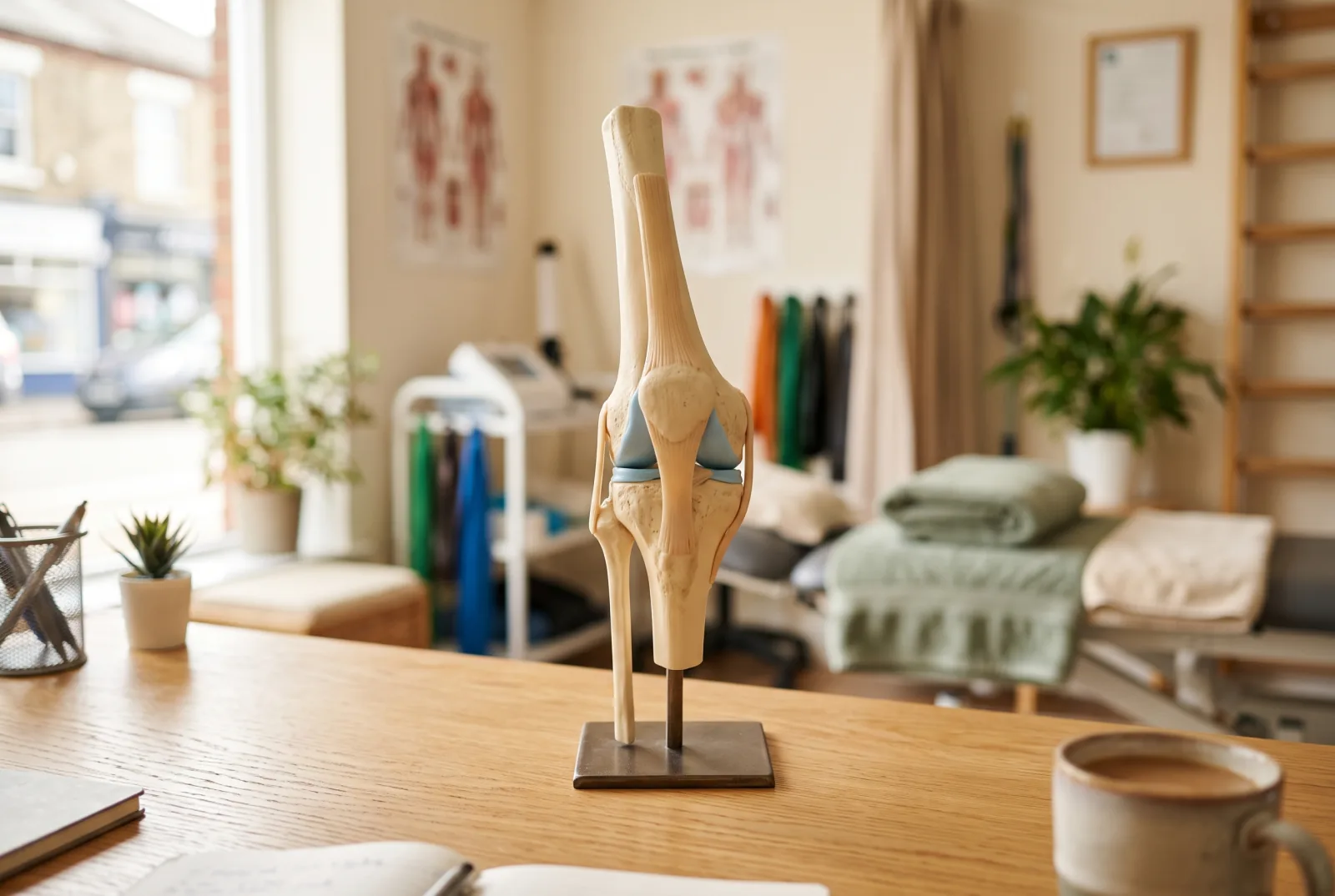 Conditions
Torn Meniscus: Do You Need Surgery, or Can Physiotherapy Rebuild the Knee?
A torn meniscus does not automatically mean an operation. For most middle-aged and older knees, exercise-based physiotherapy performs as well as keyhole surgery. Here is how the two kinds of meniscus tear differ, what physiotherapy actually targets, and the mechanical symptoms that make a surgical opinion worth getting.
READ Conditions
Hip Osteoarthritis: What Physiotherapy Can Do Before a Replacement
If you have hip osteoarthritis and are weighing surgery, exercise is the recommended first-line treatment, and the time you spend on a BC surgical waitlist is time you can use well.
READ Injury Prevention
The Pickleball Warm-Up That Actually Lowers Your Injury Risk
Most pickleball players either skip the warm-up or spend it holding static stretches. Neither prepares the body for a fast lateral sport. Here is what the injury-prevention research actually supports, and how to apply it in the ten minutes before you play.
READ Conditions
New Joint Aches in Your 40s and 50s: What Menopause Has to Do With It
Hips, knees, and shoulders that never used to hurt often start aching in the years around menopause. Researchers now have a name for the pattern. Here is what the evidence actually says, and what physiotherapy and exercise can and cannot do about it.
READ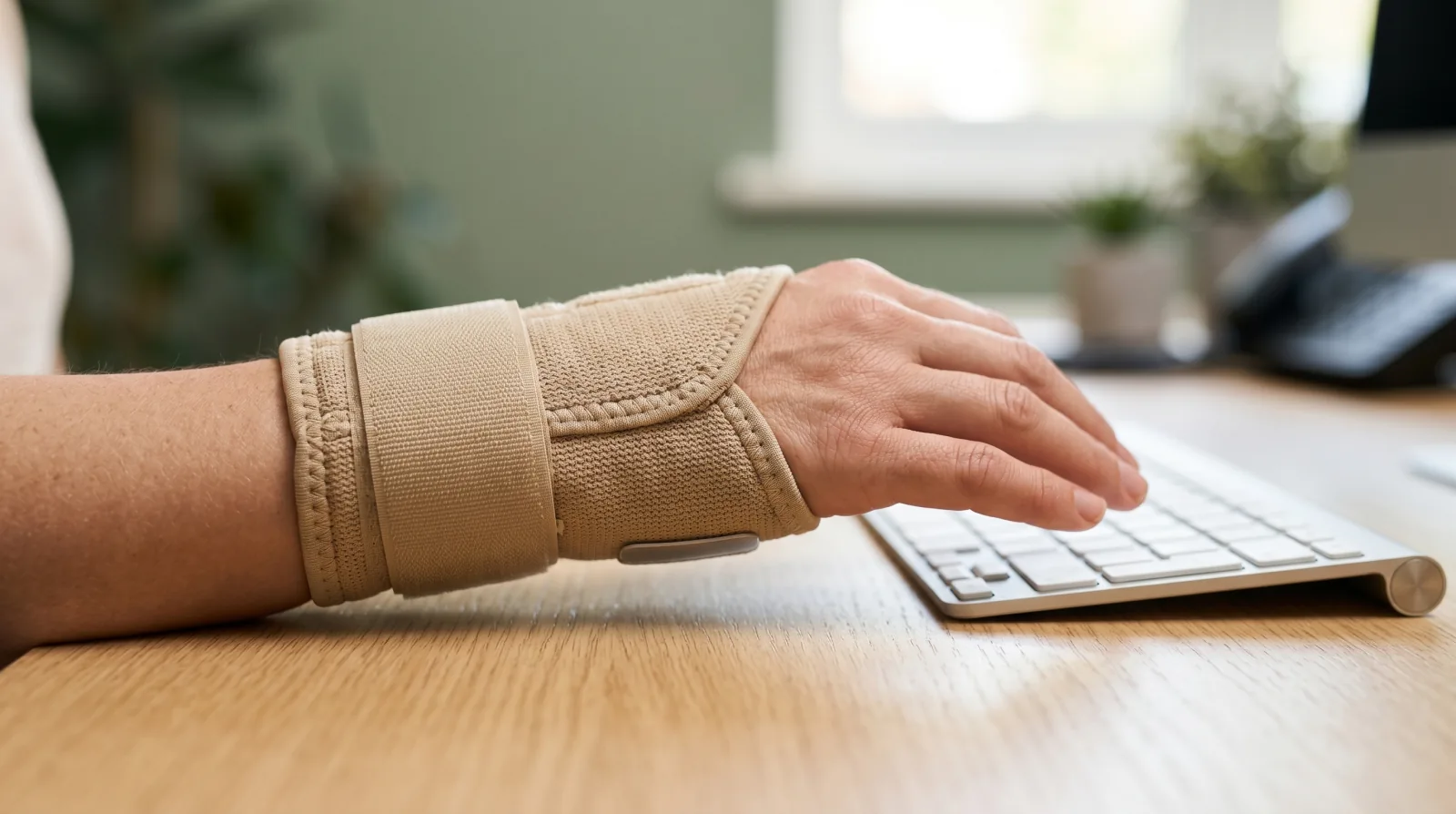 Recovery
Wrist Fracture Rehab: What Physiotherapy Does After a Distal Radius Fracture
The distal radius is the most commonly broken wrist bone in adults. After the cast comes off, physiotherapy is how you get wrist extension, forearm rotation, and grip back. Here is what the recovery involves, phase by phase.
READ Injury Prevention
Training for a Spring Marathon Without Getting Injured (and How to Return to Running After a Layoff)
Most spring-marathon injuries come from how the mileage is built. Here is what the evidence actually supports on progression, the common training injuries, and how to return to running after a setback without a fixed calendar.
READ Injury Prevention
Pickleball Injuries After 50 in Metro Vancouver: What's Common and How to Stay on the Court
Pickleball is the fastest-growing sport among players over 50, and the injuries follow a clear pattern. Here is what physiotherapists see most, why older players show up in the data, and how to lower your risk before the next game.
READ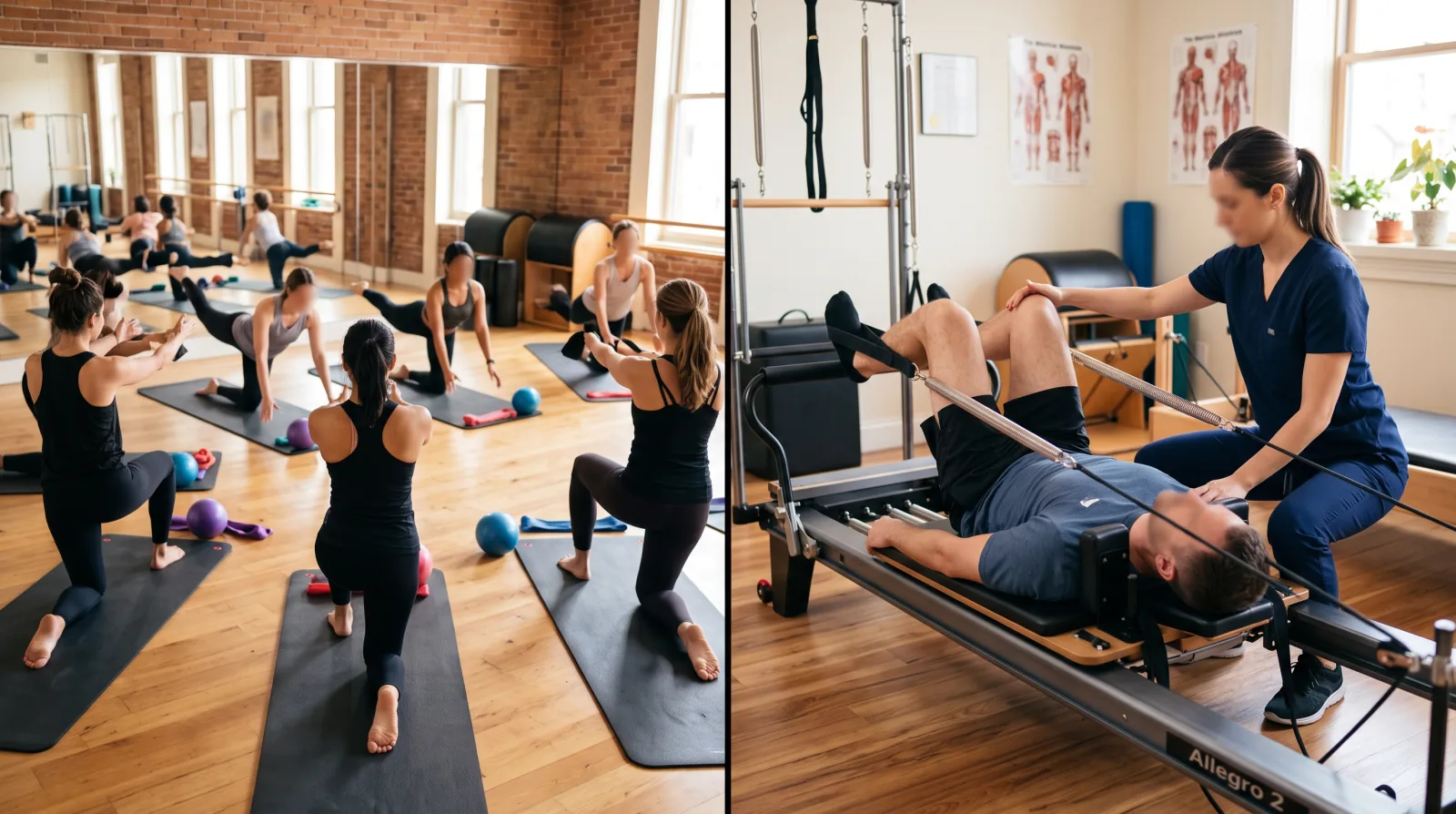 Services
Clinical Pilates vs Mat Pilates in BC: What Is the Difference?
The word Pilates appears on studio class schedules, in physio clinics, and on extended health claim forms. These are not the same thing. Here is what separates them, who each one suits, and whether your extended health plan covers it.
READ Conditions
Spinal Stenosis: Why Walking Hurts and What Helps
If your legs ache or feel heavy after a few minutes of walking, then ease the moment you sit or lean on a cart, that pattern has a name. Here is what lumbar spinal stenosis usually looks like, how it differs from a circulation problem, and where physio fits.
READ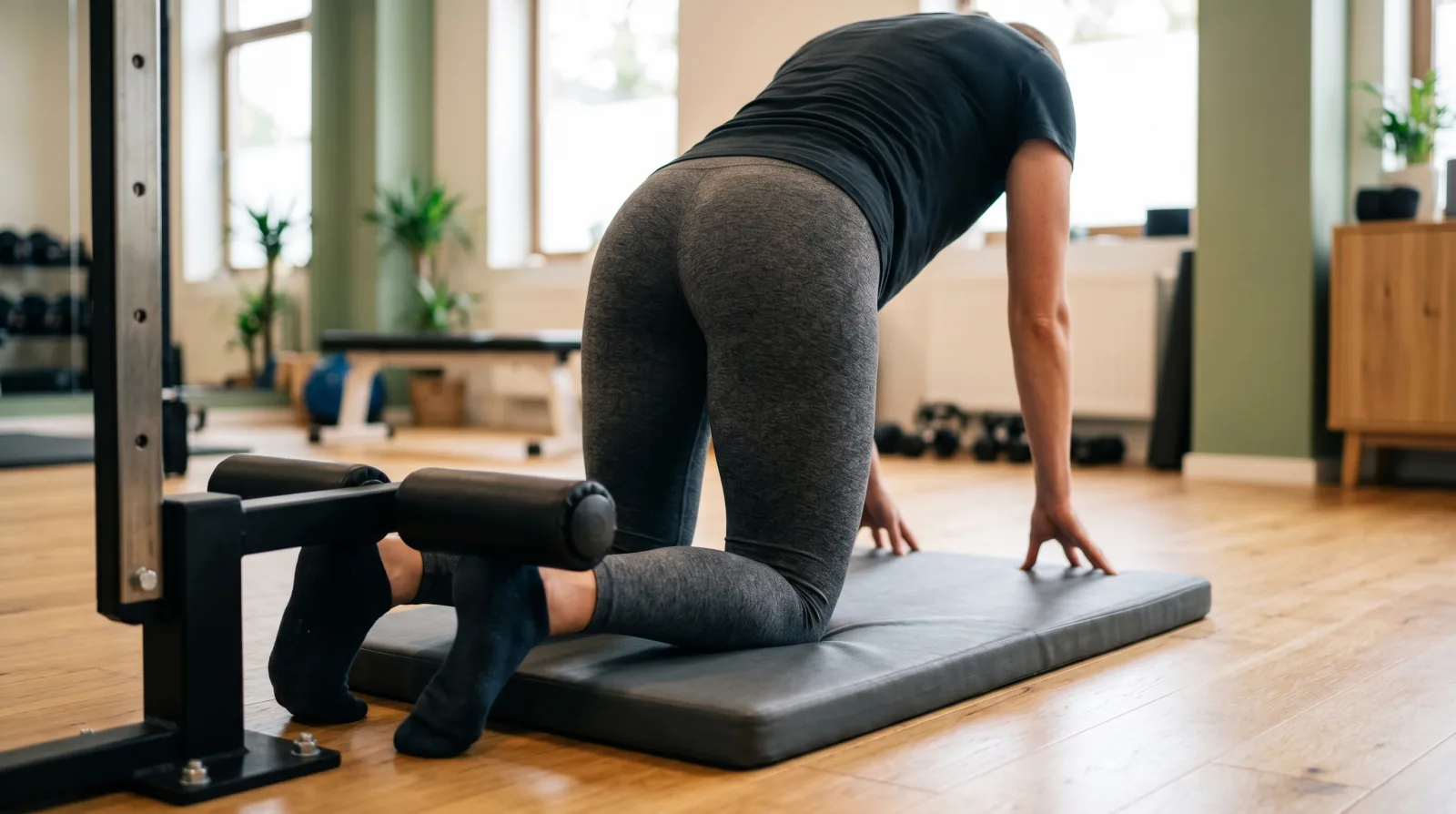 Recovery
ACL Return to Sport: What Physiotherapy Tests Tell You Before You Go Back
Nine months is the minimum, not the clearance. ACL return to sport is decided by objective testing, not the calendar. What the criteria are, what the tests involve, and how physiotherapy and kinesiology share the work of getting there.
READ Recovery
Knee Replacement: Why Prehab Shapes Your Recovery
The work you do before total knee replacement quietly sets the tone for the months after it. Here is what the evidence actually supports, what the first weeks of rehab look like, and how a physio and kinesiologist split the job.
READ Conditions
Hip Flexor Strain: How to Rehab It Without Going Back Too Soon
Hip flexor strains are common in sprinters, soccer players, and martial artists, but also in desk workers who sit for long periods and then push hard. The loaded kick, the sprint off the starting block, the sudden cut that catches the iliopsoas unprepared: here is how the rehab actually progresses.
READ Services
Registered Dietitian vs Nutritionist in BC: Which One Should You See?
In BC, anyone can call themselves a nutritionist. A registered dietitian is a regulated health professional. Here is what the difference means in practice, when you specifically need an RD, and what to ask before you book.
READ Conditions
Diastasis Recti in Men: Causes, Signs, and Physiotherapy in BC
Diastasis recti is not only a postpartum condition. Men can develop it from heavy straining, a large or sudden weight change, or a healing abdominal surgical scar. Here is how to tell it apart from a hernia, what causes it, and what a physiotherapy assessment actually checks.
READ Services
Nutrition for Injury Recovery: What a Registered Dietitian Can Add to Your Physio Plan
Protein, collagen synthesis, omega-3 anti-inflammatories, vitamin D and calcium for bone healing: the nutrition piece of injury recovery is better researched than most patients realise. A registered dietitian can structure that evidence into an actual eating plan, not just a supplement list.
READ Conditions
Hip Replacement Prehab: Making the Waiting Period Work for You
Most people scheduled for a total hip replacement spend the months before surgery watching the date get closer. That waiting period is actually the most trainable time in the entire surgical journey, and what you do with it shapes how the first weeks after surgery feel.
READ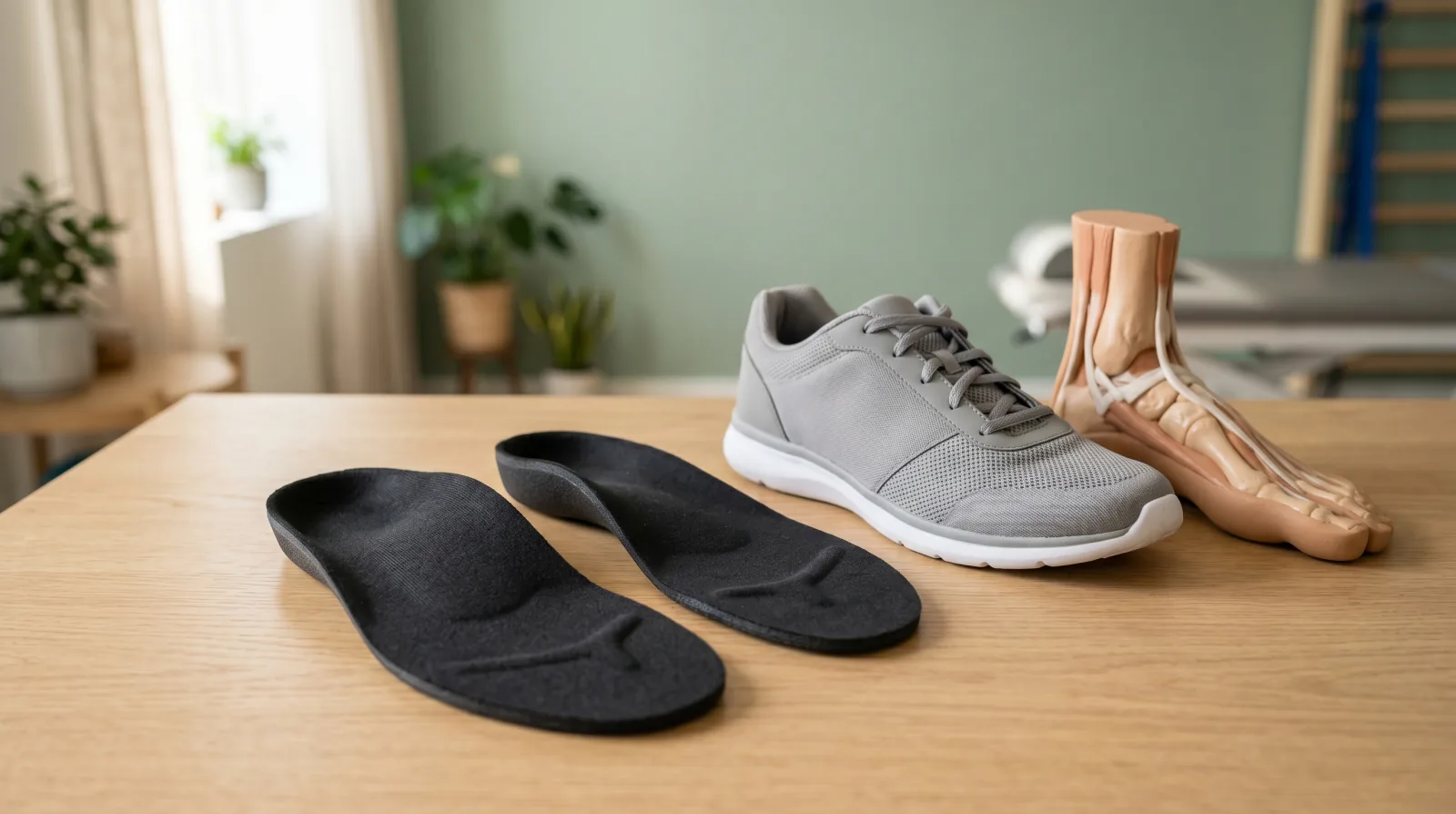 Treatments
Custom Orthotics: When They Help and When They Don't
Someone told you that you need custom orthotics, and the quote was not small. Before you pay, here is the honest version: where foot orthotics actually help, where custom and off-the-shelf perform about the same, and why the assessment matters more than the device.
READ Recovery
Long COVID Physiotherapy in Vancouver: Managing Fatigue and Breathlessness
Months after a COVID-19 infection has cleared, fatigue, breathlessness, or exercise intolerance can still control your day. This is what physiotherapy-led pacing and graded activity actually involve, and where the line is for a doctor's visit first.
READ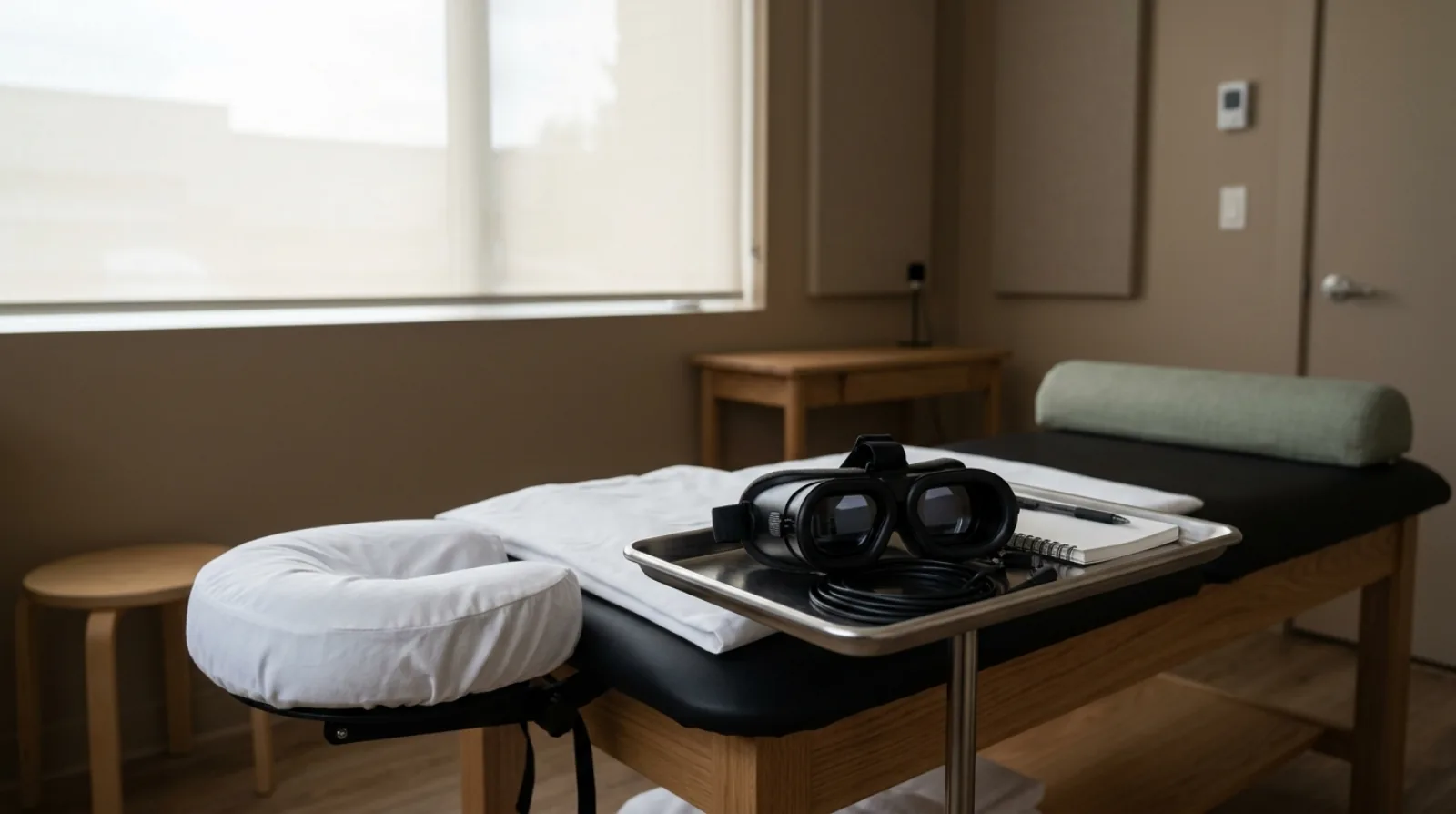 Conditions
Vestibular Migraine Physiotherapy: Assessment and Management in BC
Episodes of dizziness that come with headache, light sensitivity, or visual disturbance, lasting anywhere from minutes to days, point toward a specific and underdiagnosed cause. Here is how vestibular migraine differs from BPPV and cervicogenic dizziness, and where physiotherapy fits.
READ Conditions
Tech Neck: What Actually Helps Persistent Neck Pain
If your neck aches by mid-afternoon at a desk, you have probably been told your posture is to blame. The evidence is messier than that, and the fix is less about sitting straighter than you would think.
READ Conditions
Birth Prep Physiotherapy in BC: What Happens in a Pelvic Floor Session Before Delivery
Birth prep physiotherapy prepares the pelvic floor before delivery. What actually happens in a session, when to start (as early as the first trimester), and what the evidence says it changes.
READ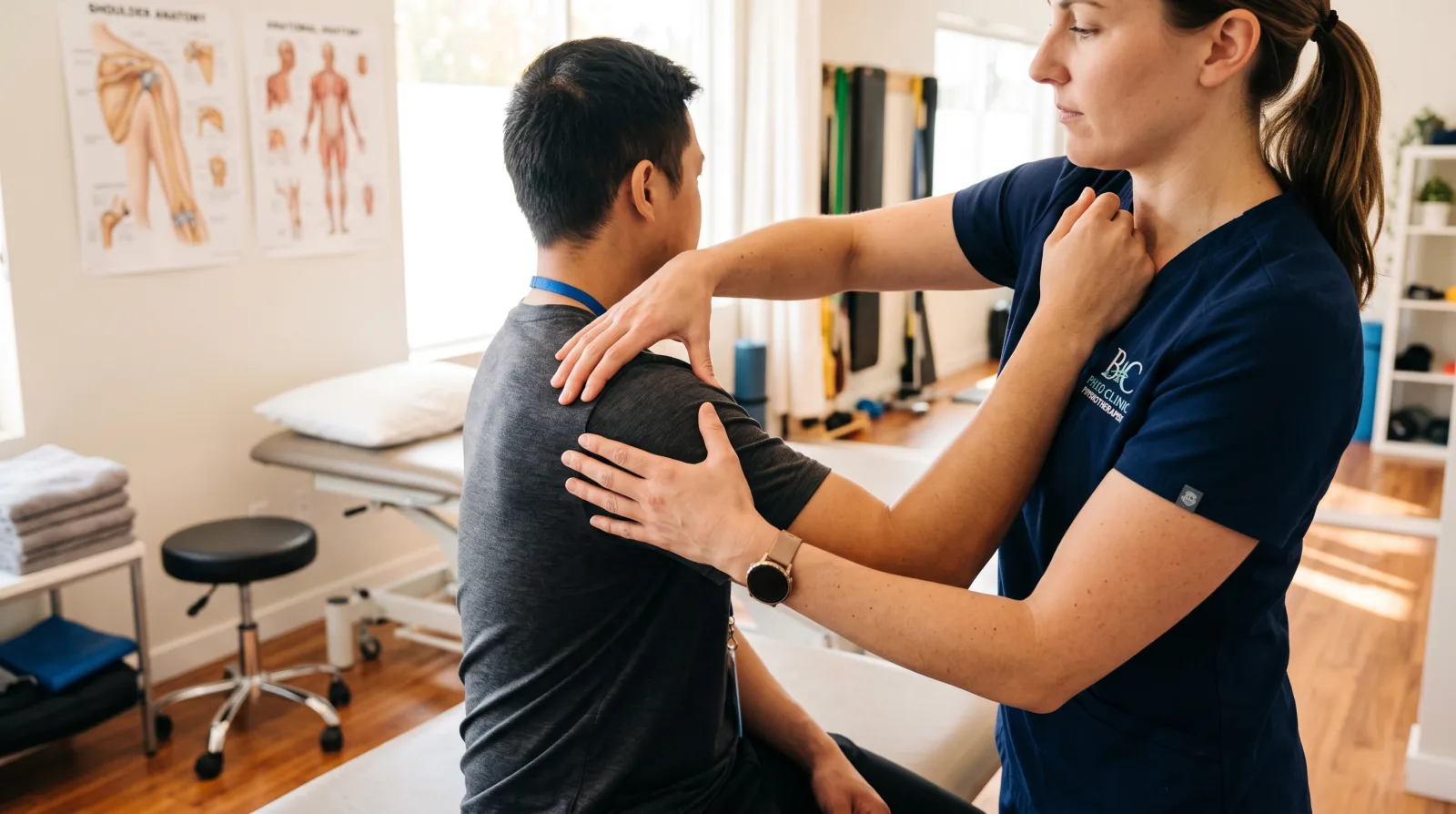 Conditions
Shoulder Impingement vs Rotator Cuff Tear: How to Tell the Difference in BC
Both conditions hurt in roughly the same place and both make overhead reaching difficult. Here is what actually distinguishes them, what a physio assessment tests for, and why the difference changes the treatment plan.
READ Coverage
ICBC Massage Therapy in BC: Coverage, Sessions, and How to Book (2026 Guide)
After a BC crash, ICBC pre-approves registered massage therapy from day one. Here is what that coverage includes, how RMT compares to physio under Enhanced Care, and what to do when you arrive at a Launch Rehab studio.
READ Services
Registered Clinical Counsellor vs Psychologist in BC: What Is the Difference?
Both are trained to help with anxiety, depression, trauma, and chronic pain. The difference is in the training pathway, the regulatory body, and who pays for what. Here is what you need to know to choose the right clinician for your situation in BC.
READ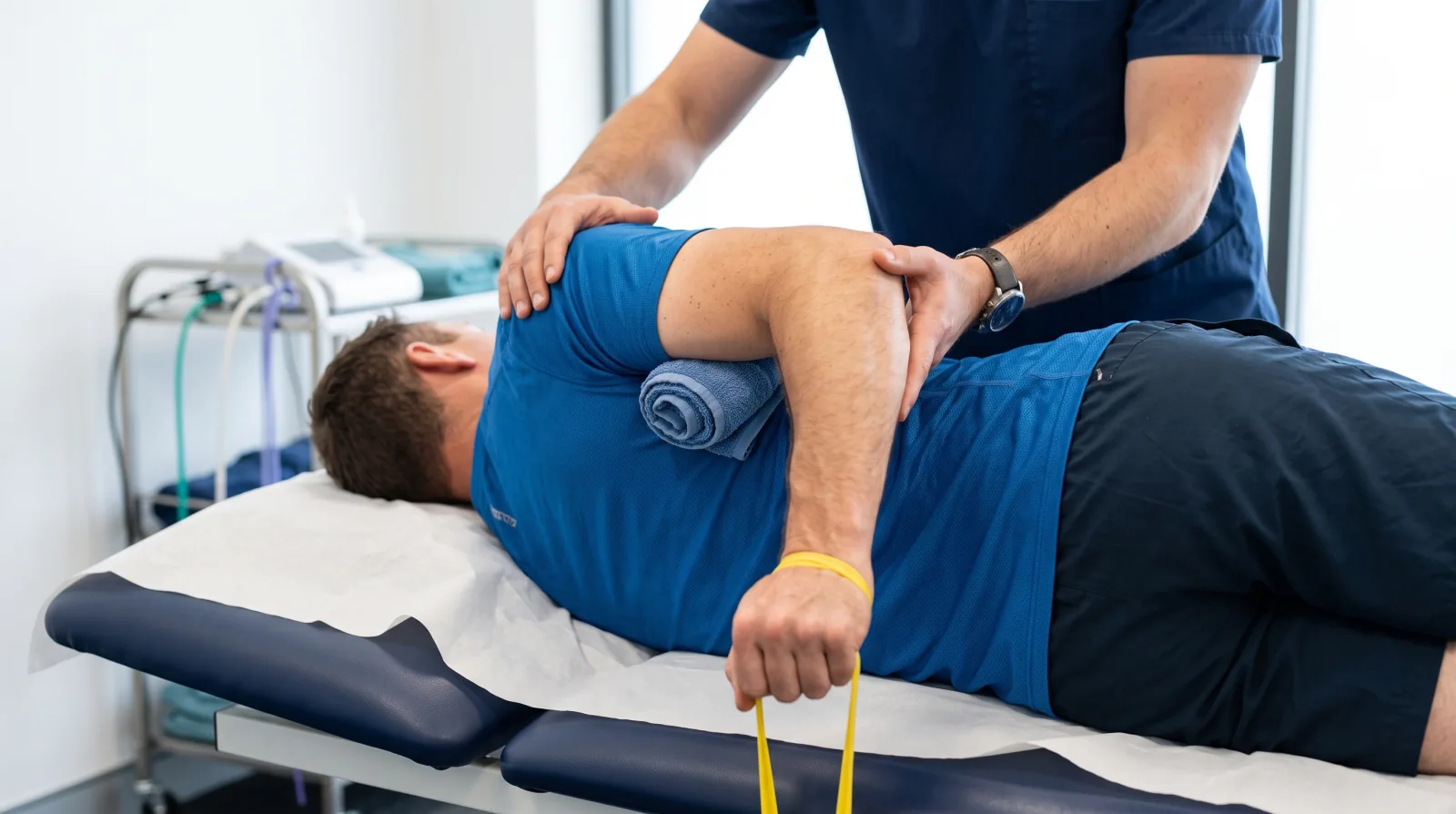 Conditions
Shoulder Impingement Exercises: A Physiotherapy Guide for BC Patients
Shoulder impingement responds well to targeted exercise when the right muscles are trained in the right order. Here are the six exercises a BC physiotherapist will use, the phases they fit into, and when to seek help rather than self-manage.
READ Conditions
Pelvic Girdle Pain in the Third Trimester: What Physiotherapy Can Do
Pelvic girdle pain in the third trimester is one of the most common reasons pregnant people stop being active in the final weeks. This is what it is, why it peaks late in pregnancy, and what physiotherapy does to manage it.
READ Sports
Cycling Injuries and Physiotherapy: What Road and Trail Riders in BC Need to Know
Most cycling injuries are not caused by crashes. They come from a bike fit that is slightly wrong, a training load that increases too fast, or a strength imbalance the position on the bike amplifies. Here are the five most common injuries in Metro Vancouver cyclists and how physiotherapy and a bike fit assessment address the cause.
READ- Recovery
Hamstring Strain: Returning to Sport Without Re-Tearing
The first hamstring strain heals on its own for most athletes. The second one is the one you can actually prevent, and it usually comes from going back too soon. Here is how a criterion-based return works, and what the evidence says about staying torn-free.
READ 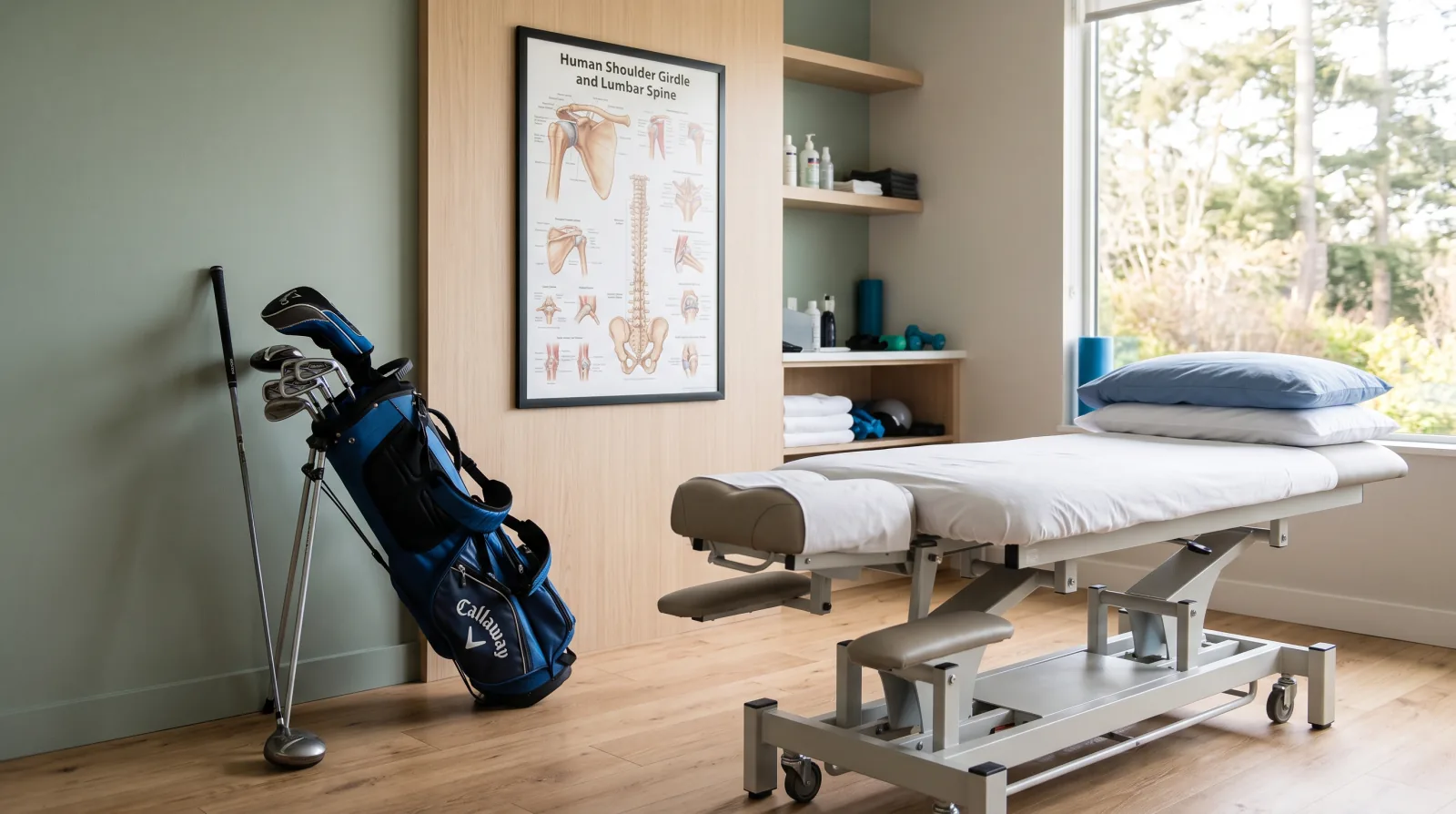 Sports
Golf and Physiotherapy: The Most Common Swing-Related Injuries and How to Fix Them
Golf injuries rarely come from one bad swing. They come from thousands of repetitions of the same mechanical pattern until something gives. Here are the five injuries we see most often in Metro Vancouver golfers, what drives each one, and how physiotherapy and a professional swing assessment address the root cause.
READ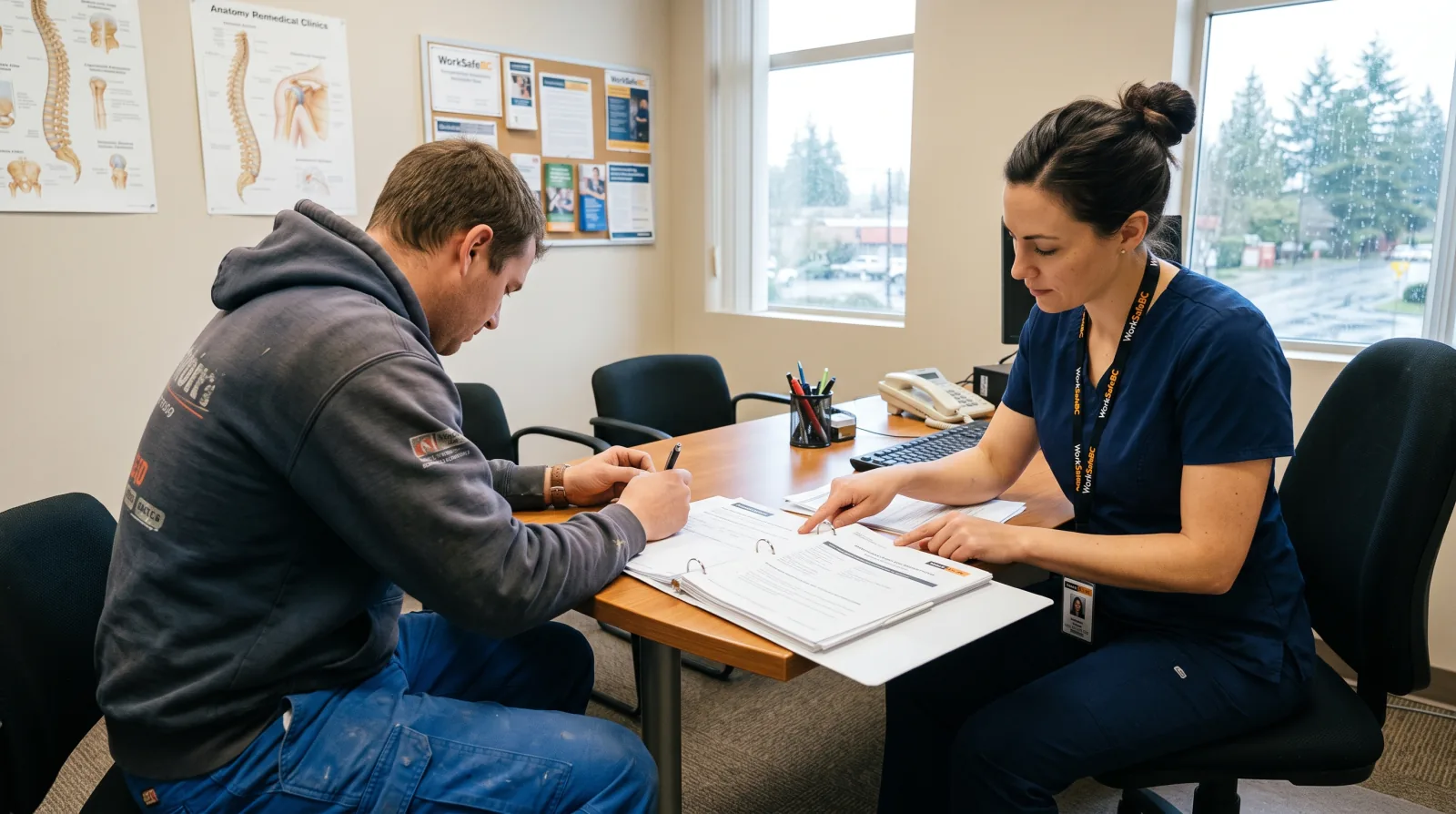 Coverage
WorkSafeBC EAPP: A Plain-English Guide for Injured Workers in BC
The Early Access to Physiotherapy Program (EAPP) lets injured workers in BC start physiotherapy on the day of a workplace injury, before WorkSafeBC even accepts the claim. Most workers have never heard of it. This guide explains how it works, who qualifies, and how to get started.
READ Coverage
ICBC Counselling After a Car Crash: What It Covers and What to Expect in BC
A car crash doesn't only injure tissue. Anxiety, driving fear, and disrupted sleep are common and are covered under ICBC Enhanced Care, with no referral and no adjuster sign-off needed. Here is how it works.
READ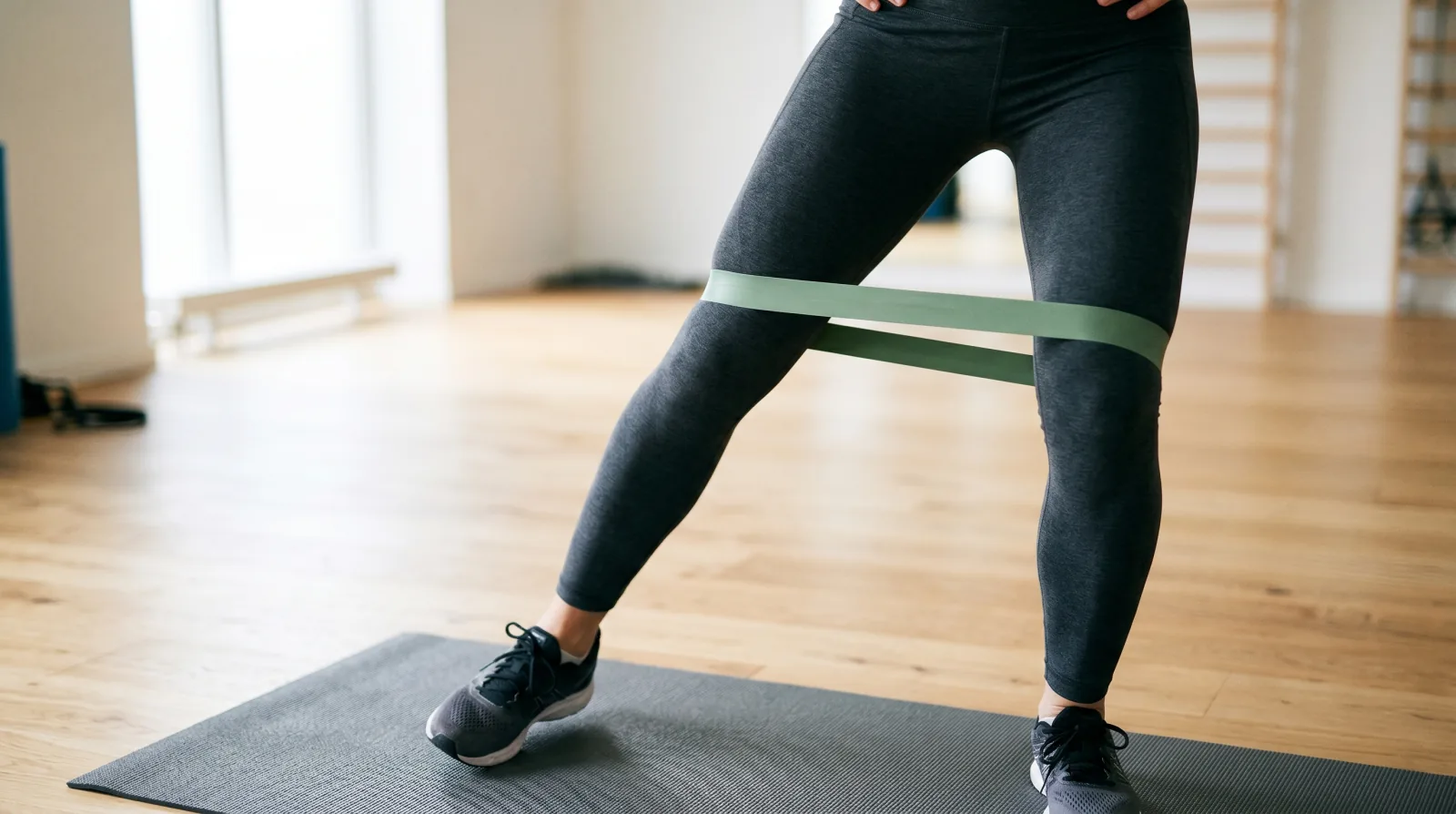 Conditions
Lateral Hip Pain: The Truth About Gluteal Tendinopathy
Pain on the outside of the hip that flares when you lie on that side or stand up after sitting is rarely the bursitis it gets called. Here is what it usually is, why an injection often is not the answer, and how the loading actually works.
READ Conditions
Shin Splints: Why They Keep Coming Back for Runners
Shin splints clear up, you start running again, and within a few weeks the same inner-shin ache is back. The cycle is almost always a load problem, not a stubborn injury. Here is how to read it and break it.
READ Recovery
ACL Reconstruction Recovery: What the Rehab Timeline Really Looks Like
The calendar matters less than the milestones. Here is what the rehab after an ACL reconstruction actually involves, why return to sport is decided by tests rather than weeks, and where physio and kinesiology fit.
READ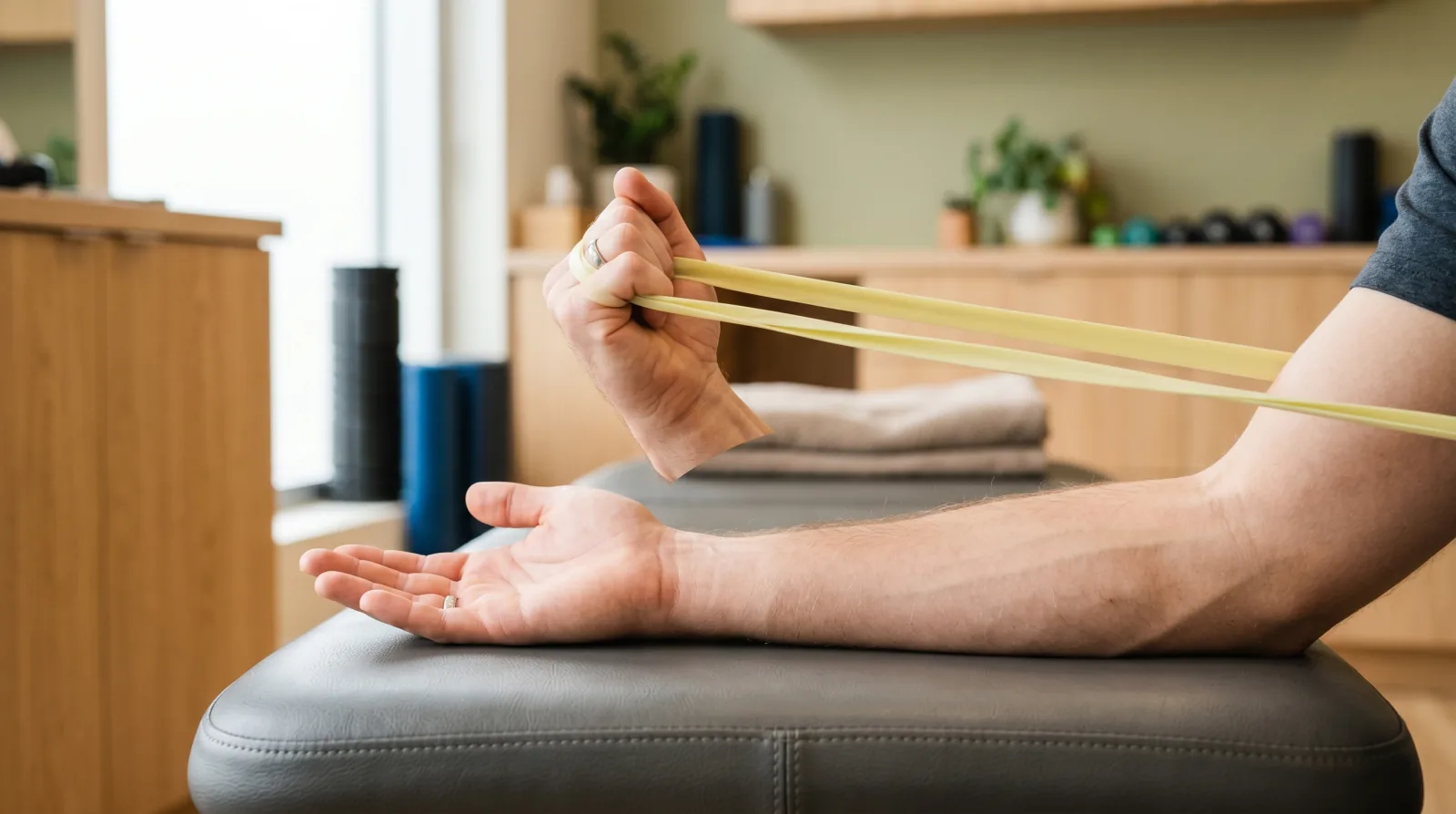 Conditions
Golfer's Elbow: What Actually Rebuilds Medial Elbow Pain
If the inside of your elbow flares every time you grip, lift, or flex your wrist, the choice usually comes down to rest, physio, or a cortisone shot. Here is what the tendon is actually doing, why loading is the part that rebuilds it, and why the injection that feels best early often ages the worst.
READ- Conditions
Carpal Tunnel Syndrome: Conservative Care Before Surgery
Numb thumb and fingers that wake you at 3am usually point to the median nerve, not the whole hand. Here is what conservative care can do before anyone reaches for a scalpel, and the signs that mean surgery should not wait.
READ  Treatments
How to Choose a Physiotherapy Clinic in Metro Vancouver
Before you book, there are five practical questions that will tell you whether a clinic is a good match for your injury, your coverage, and your schedule.
READ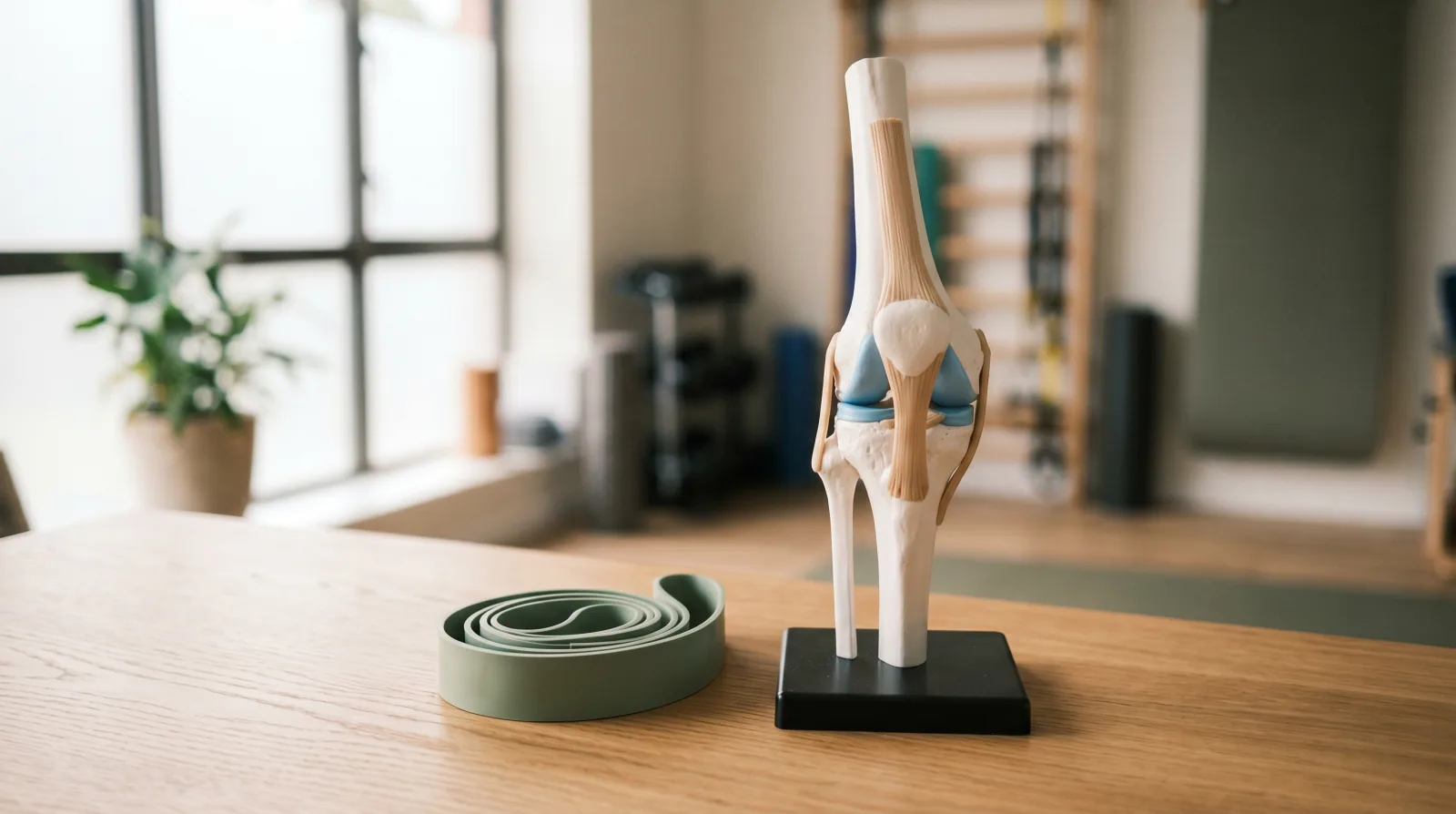 Conditions
Knee Osteoarthritis: Why Physio Comes Before Surgery
An aching, stiff knee after fifty does not mean the next stop is a replacement. For most people, exercise and load management come first, and the guidelines say so plainly. Here is what knee osteoarthritis actually responds to, and where surgery fits.
READ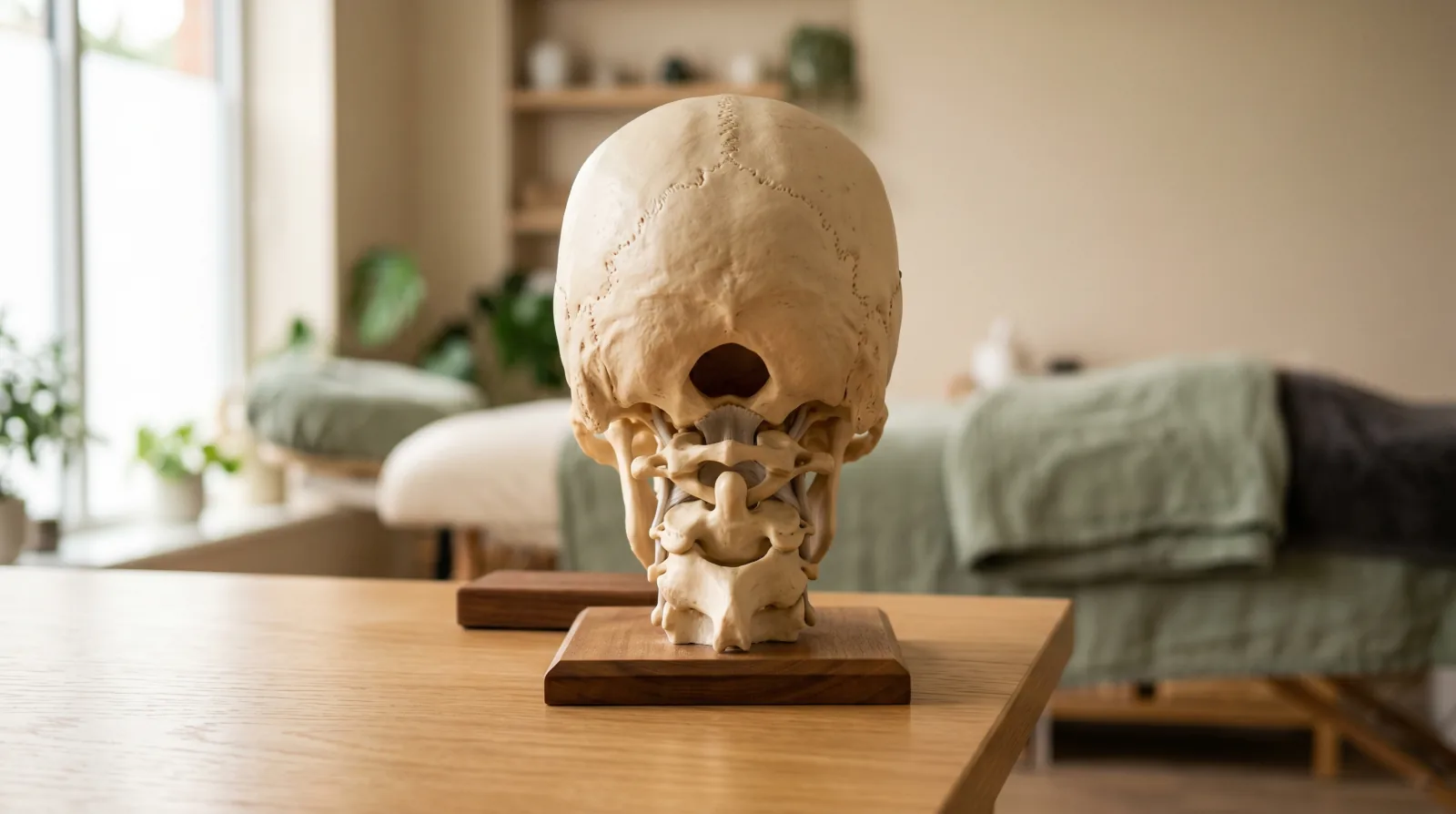 Conditions
Cervicogenic and Tension Headaches: When Treating the Neck Helps
Some headaches start in the neck, not the head. Here is how to tell a cervicogenic or tension headache from a migraine, what the neck assessment looks for, and where physiotherapy actually helps.
READ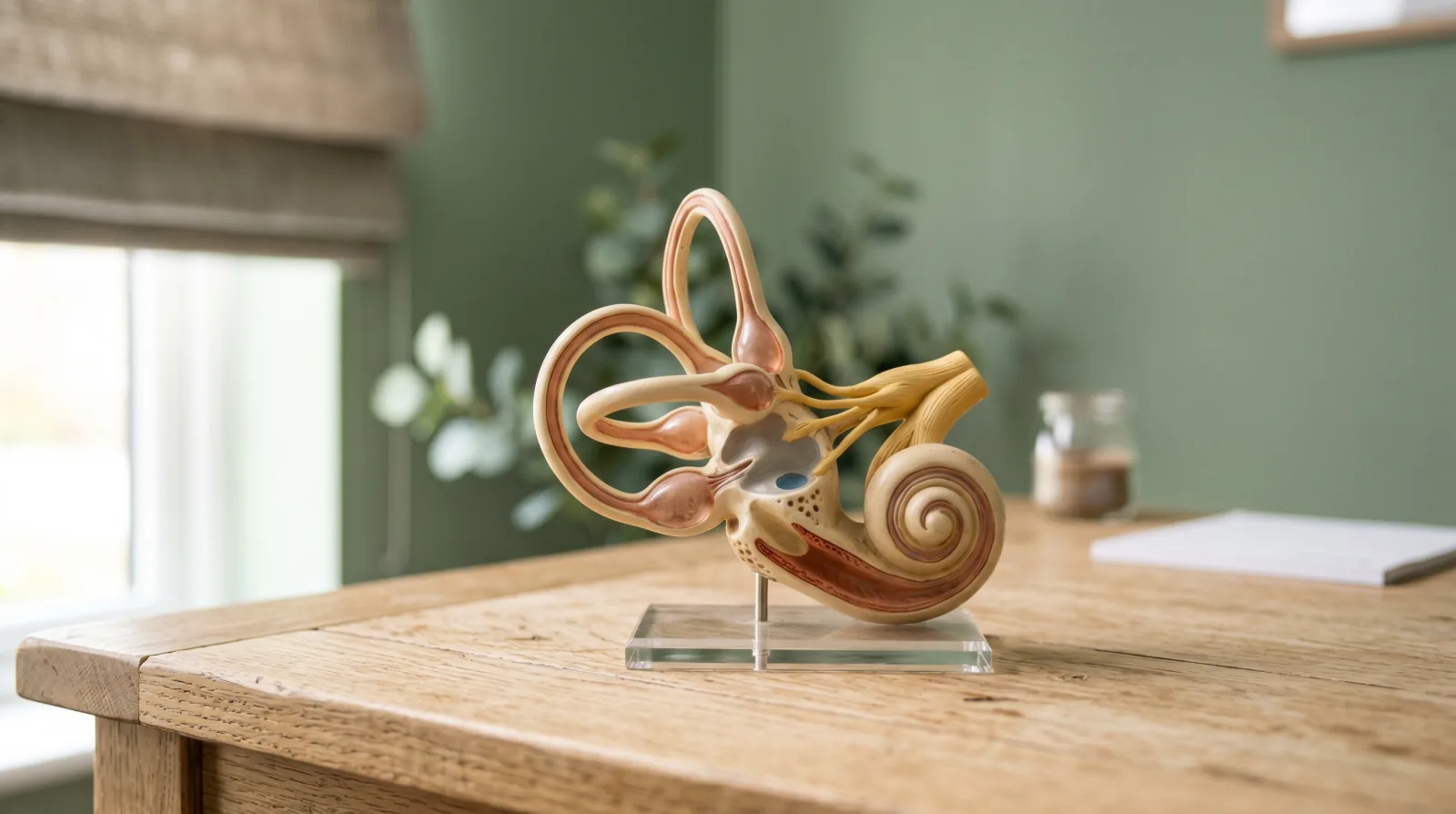 Conditions
BPPV and Vertigo: When a Repositioning Maneuver Fixes Dizziness
If the room spins for a few seconds every time you roll over in bed or tip your head back, there is a specific, common cause with a treatment that often works in one or two sessions. Here is how to tell what it is and who treats it in BC.
READ Conditions
Achilles Tendinopathy: Load It, Don't Just Rest It
If your Achilles is stiff and sore for the first ten minutes every morning and resting only buys a few good days before it flares again, you are treating it like the wrong problem. Here is why a tendon that hurts usually needs load, not time off.
READ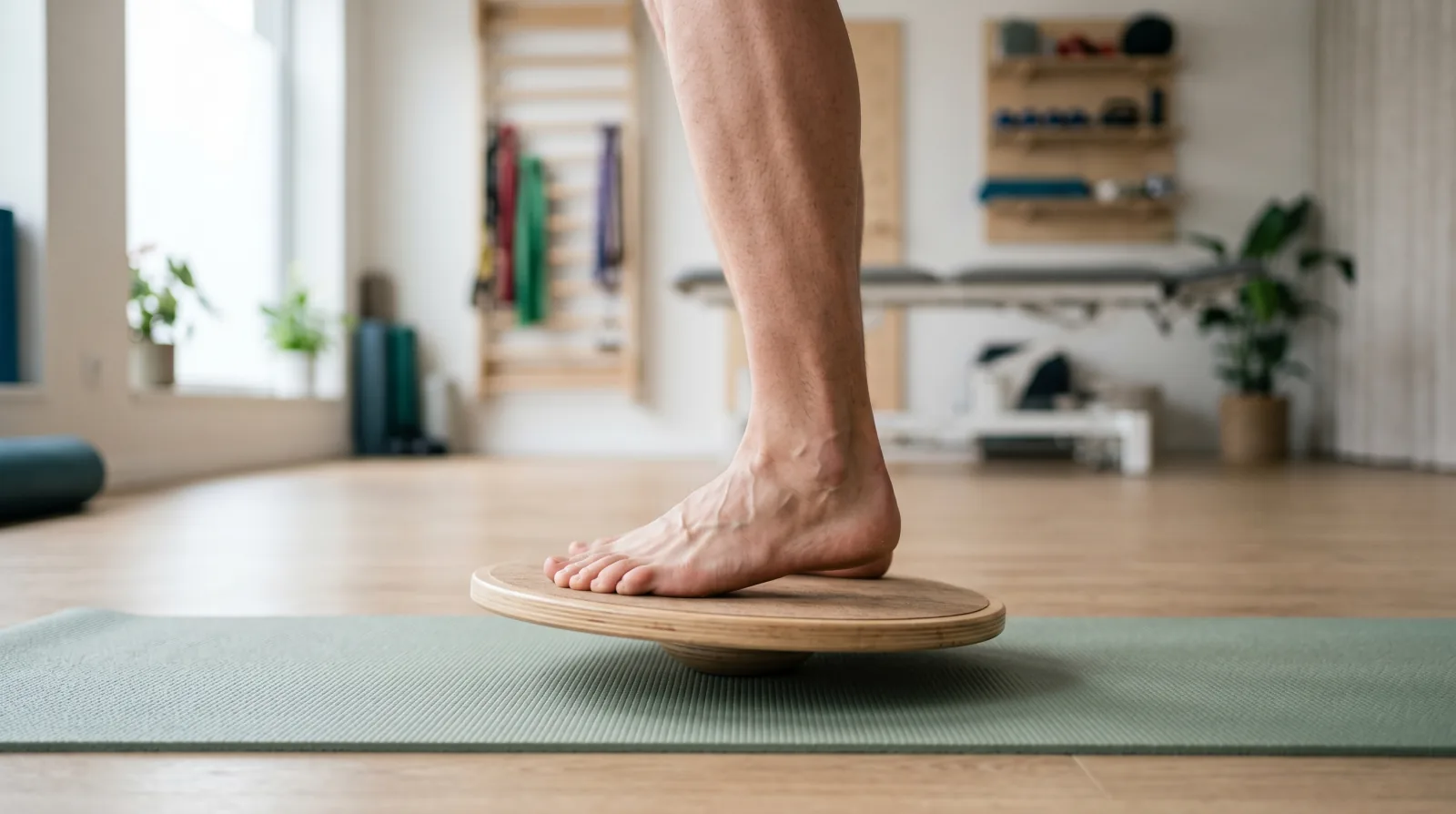 Conditions
Rolled Your Ankle? Why It Keeps Happening and How to Rebuild It
If you have rolled the same ankle more than once, the problem is rarely bad luck. A sprain that was rested but never rebuilt leaves the joint quietly under-prepared. Here is why the cycle repeats and what actually breaks it.
READ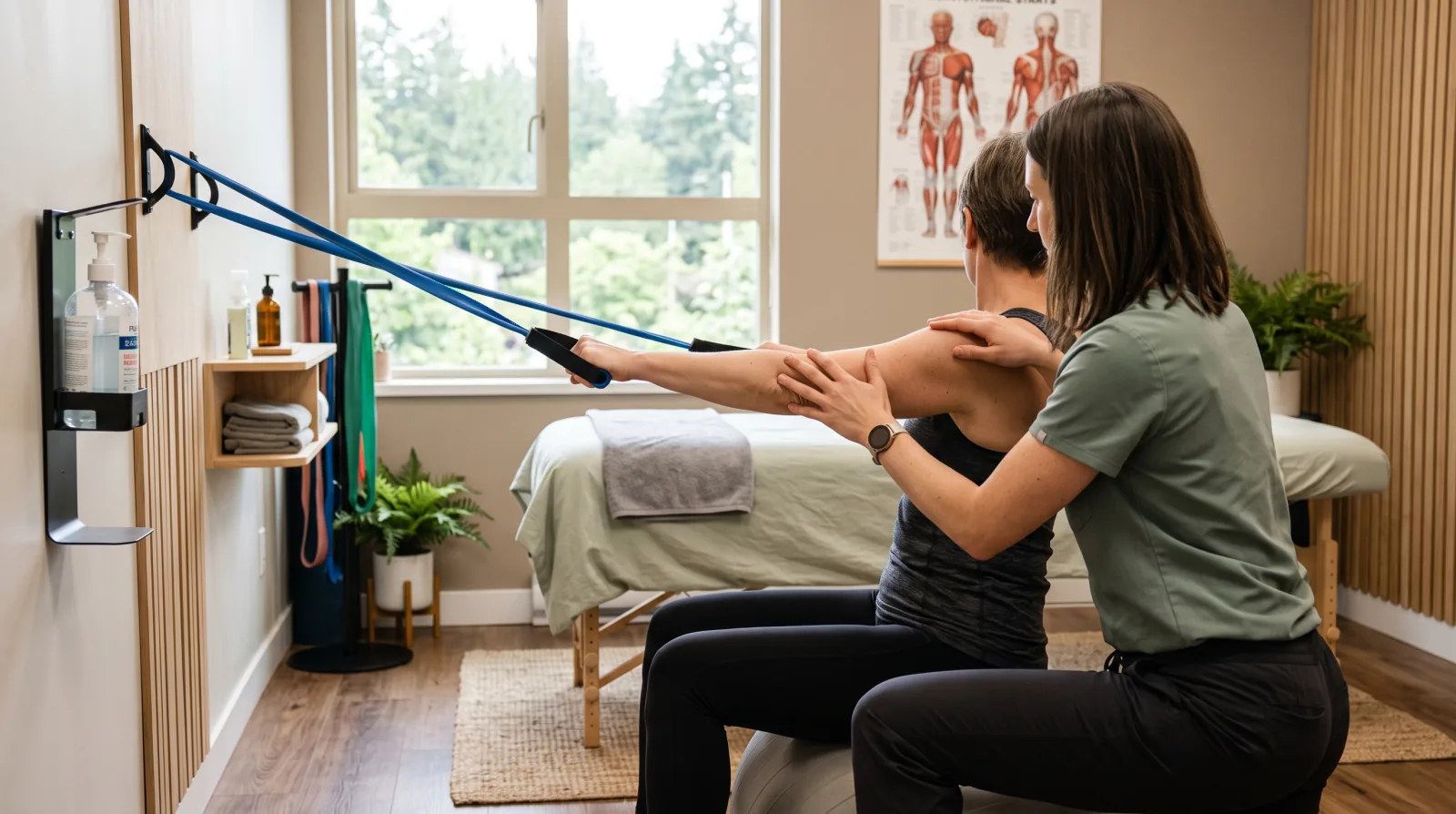 Coverage
WorkSafeBC Now Covers Kinesiology Sessions: What Changed on April 1, 2026
WorkSafeBC quietly added kinesiology sessions to approved workplace injury claims in April 2026. Here is what the change actually covers, what it doesn't, and how to access it.
READ Conditions
Rotator Cuff Injury: Physio First, Surgery When?
A sore, weak shoulder does not automatically mean an operation. Here is how clinicians sort tendon irritation from a real tear, why most cuff problems start with rehab, and the specific cases where surgery moves to the front of the line.
READ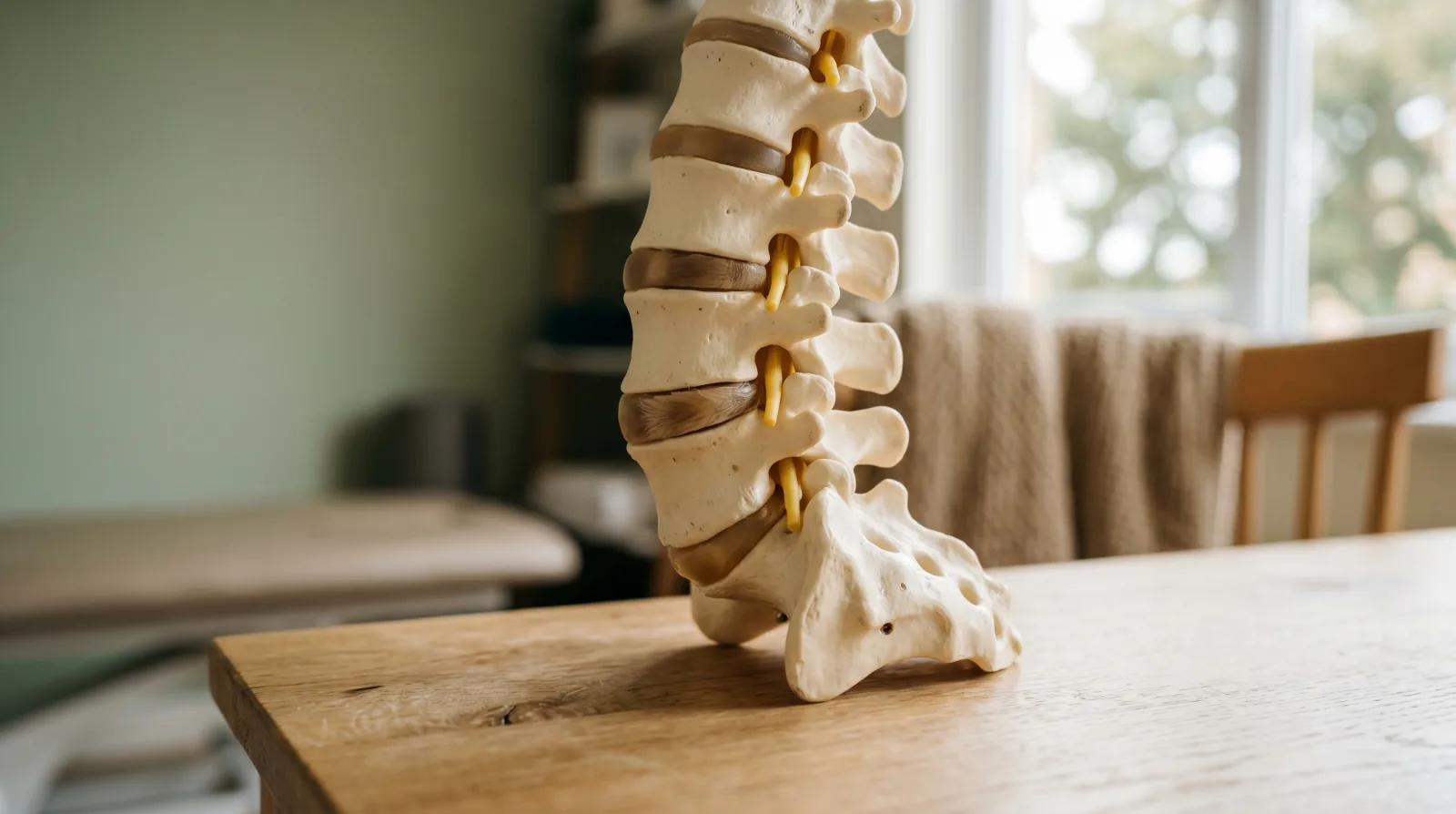 Conditions
Sciatica: Is It a Disc, the Piriformis, or Something Else?
Leg pain that shoots from your back or buttock gets blamed on the piriformis far more often than it should. Here is what sciatica usually points to, what the names actually mean, and which symptoms are a reason to skip physio and call a doctor today.
READ Conditions
Whiplash After a Crash: WAD Grades and What Recovery Looks Like
Your neck stiffened up a day after the crash, you have opened an ICBC claim, and you are worried this turns into pain that never leaves. Here is how whiplash is actually graded, what the evidence says about getting moving early, and how the first weeks of treatment work in BC.
READ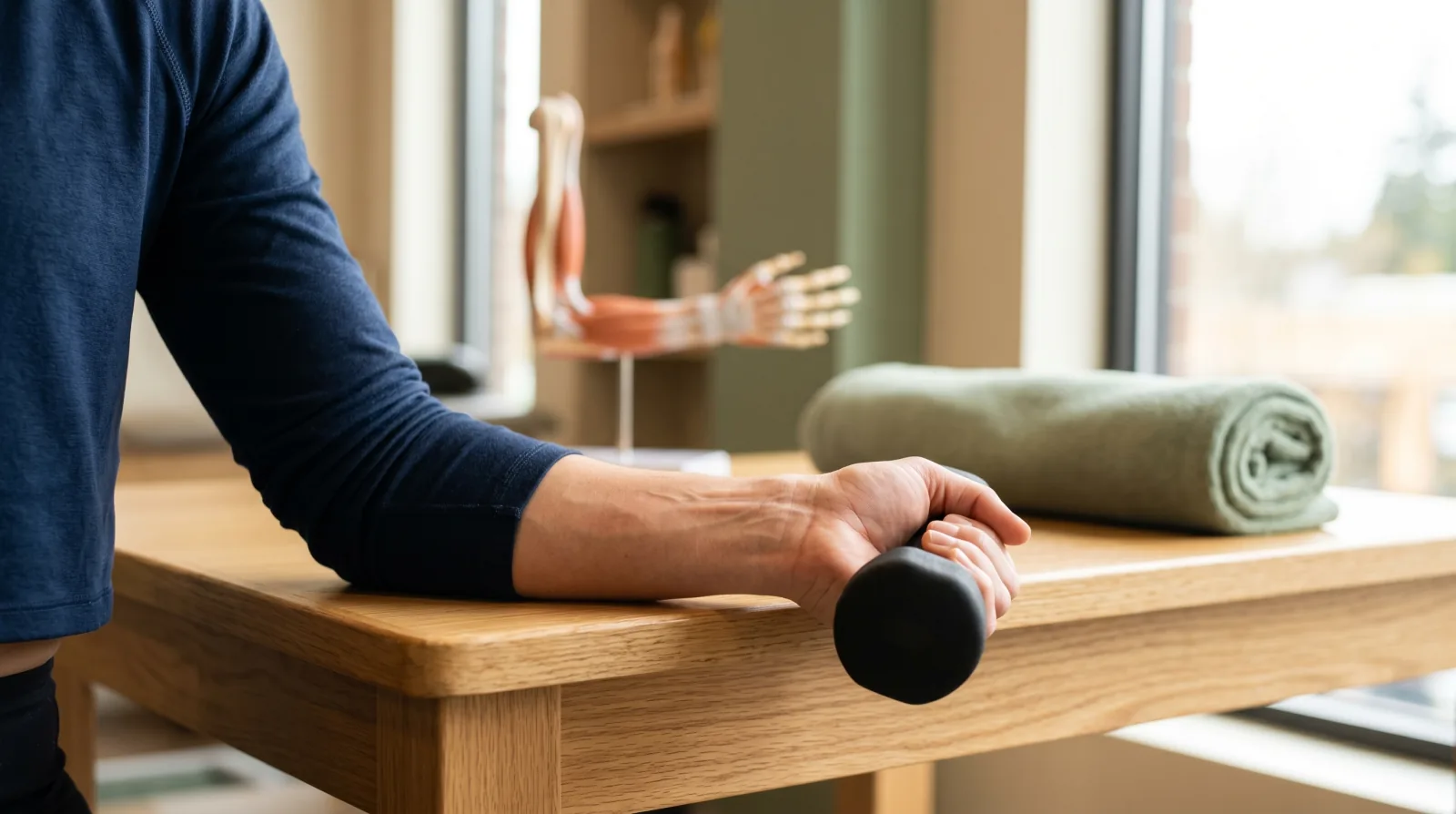 Conditions
Tennis Elbow: Why Rest Alone Won't Fix It
If your outer elbow has hurt for weeks every time you grip, lift, or hold a mouse, the choice usually comes down to rest, physio, or a cortisone shot. Here is what the tendon is actually doing, why rest stalls it, and why the shot that feels best at first often ages the worst.
READ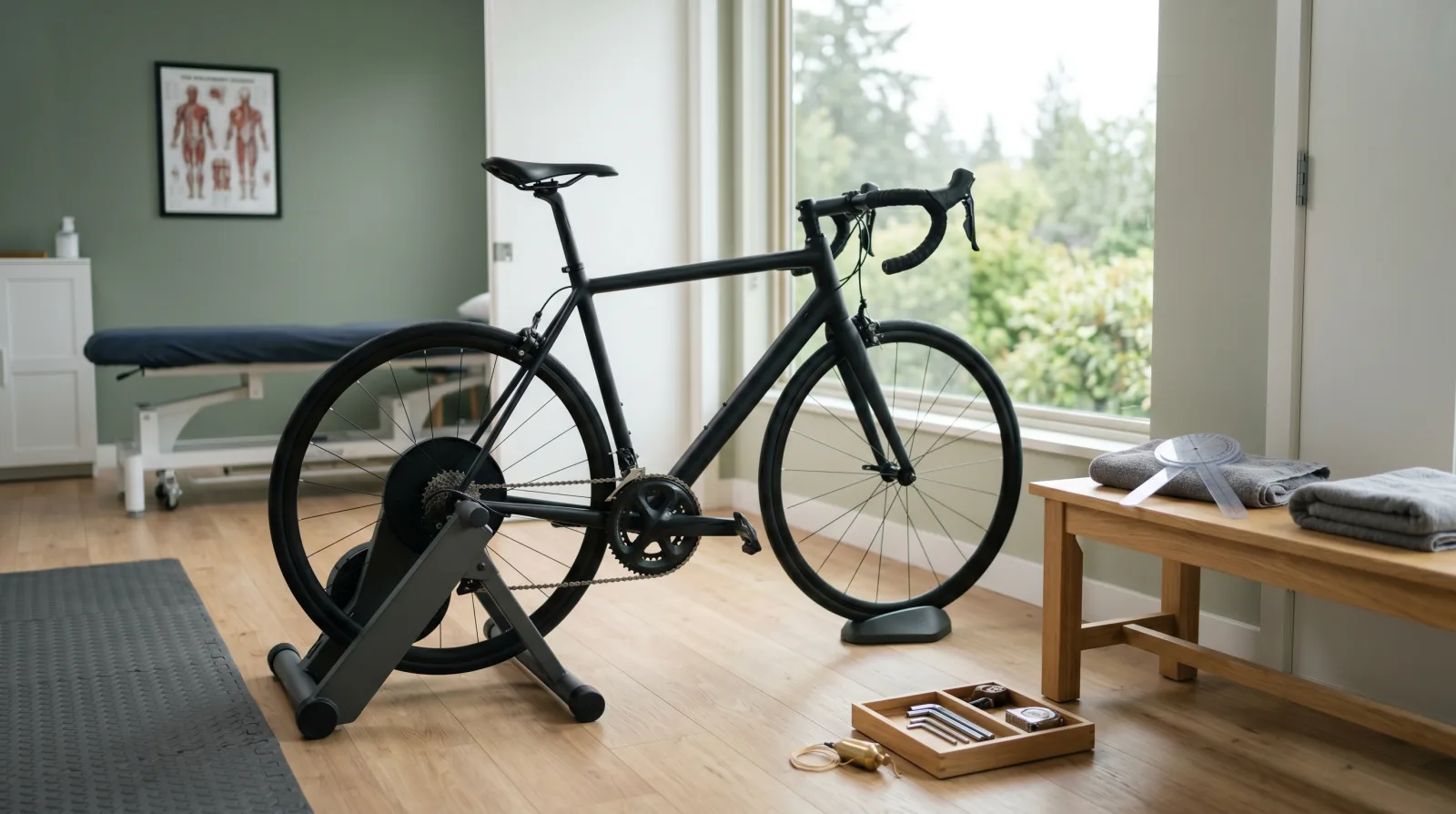 Services
Bike Fit in Metro Vancouver: What a Physio-Led Fit Includes
A shop fits the bike. A physiotherapist fits the rider, injury history and all. Here is what happens inside a 90-minute physio-led bike fit, who actually needs one, and why the difference matters once something hurts.
READ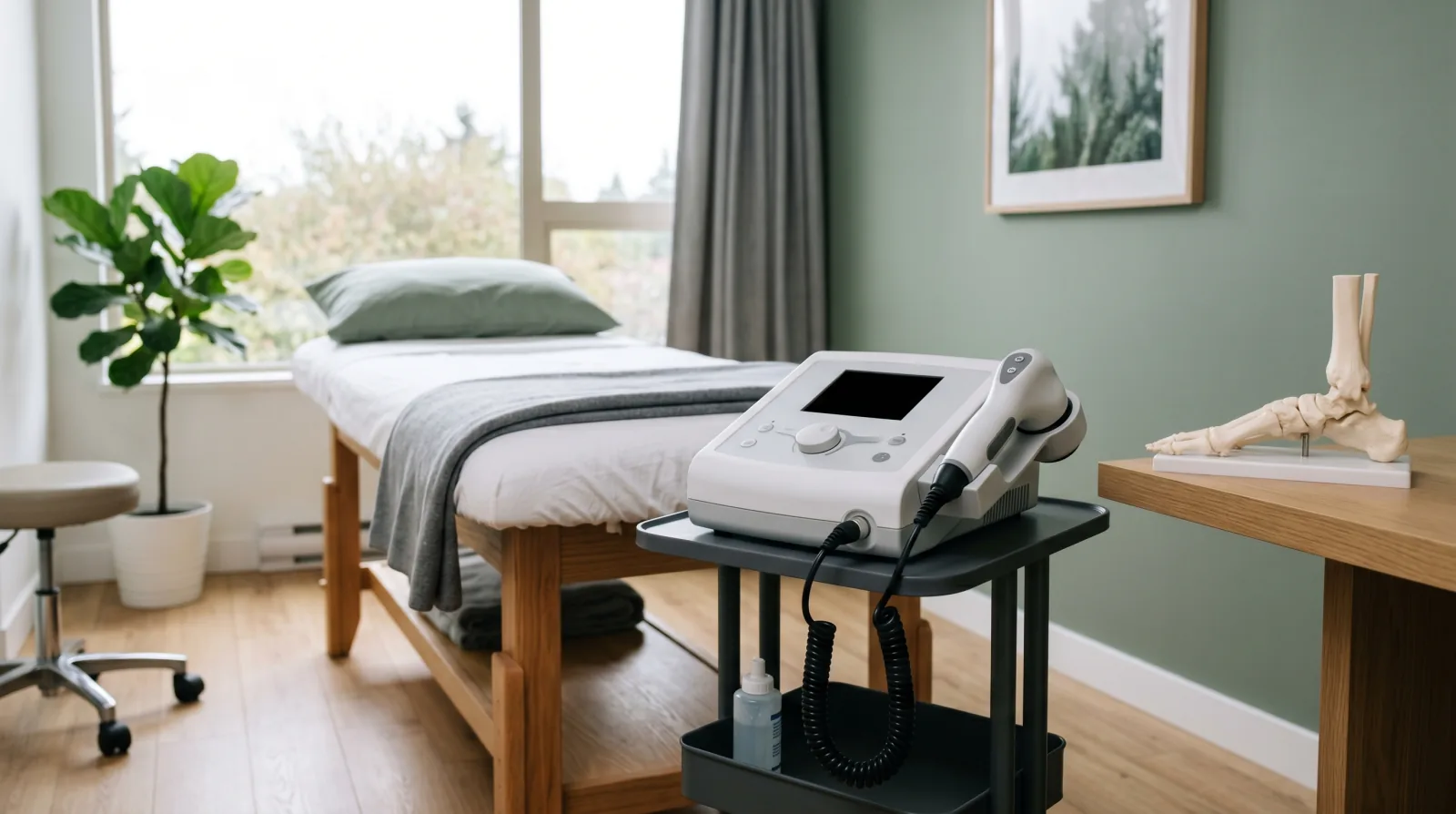 Treatments
Shockwave Therapy for Plantar Fasciitis: Sessions, Cost, Evidence
Shockwave gets pitched as either a miracle or a gimmick for heel pain. The evidence sits between those, and the timing of when it enters your plan matters more than the machine. Here is the honest version, including what it costs and how many sessions to expect.
READ Treatments
Clinical Pilates in Vancouver: Who It's For
Clinical Pilates is not boutique Pilates with a stethoscope. It is rehab programming delivered through Pilates equipment, supervised by a physiotherapist or kinesiologist. Here is who actually benefits, and who is better served by a regular studio.
READ- Conditions
Prenatal Physiotherapy: What It Is and When to Start
Pregnancy changes what your body is carrying faster than your tissues can adapt. Here is what prenatal physiotherapy treats, when in pregnancy it makes sense to start, and what the Canadian guideline actually says about exercising while pregnant.
READ  Coverage
MSP and Physiotherapy in BC: No Coverage for Most. Who Qualifies and What Does Cover It
MSP does not cover physiotherapy for most BC residents in 2026. Supplementary Benefits cover a small number of visits for qualifying low-income enrollees. Here is who qualifies, what it actually pays, and the four funding routes that cover physio for everyone else.
READ Treatments
RMT vs Physio: Which to Book First
Sore, tight, or freshly injured, and both calendars have openings. The front desk gets this question daily, so here is the actual triage we use to decide whether massage therapy or physiotherapy goes first.
READ Recovery
Concussion Recovery Timeline: What the First 6 Weeks Look Like
The first question after a concussion is almost always how long. Here is what the first six weeks usually look like, what counts as normal slow progress, and the signs that recovery needs reassessment rather than more patience.
READ Conditions
TMJ Physiotherapy: How Physio Helps Jaw Pain
Jaw pain sits in a gap between dentistry and rehab, and a lot of people bounce between the two without a plan. Here is what physiotherapy can actually do for a painful or clicking jaw, and when the dentist needs to be involved.
READ Treatments
Chiropractor vs Physiotherapist in BC: How to Decide
We have both professions on staff, so we have no reason to talk you into one over the other. Here is how we actually decide which clinician a new back, neck, or joint problem should see first, and the cases where one is clearly the better first call.
READ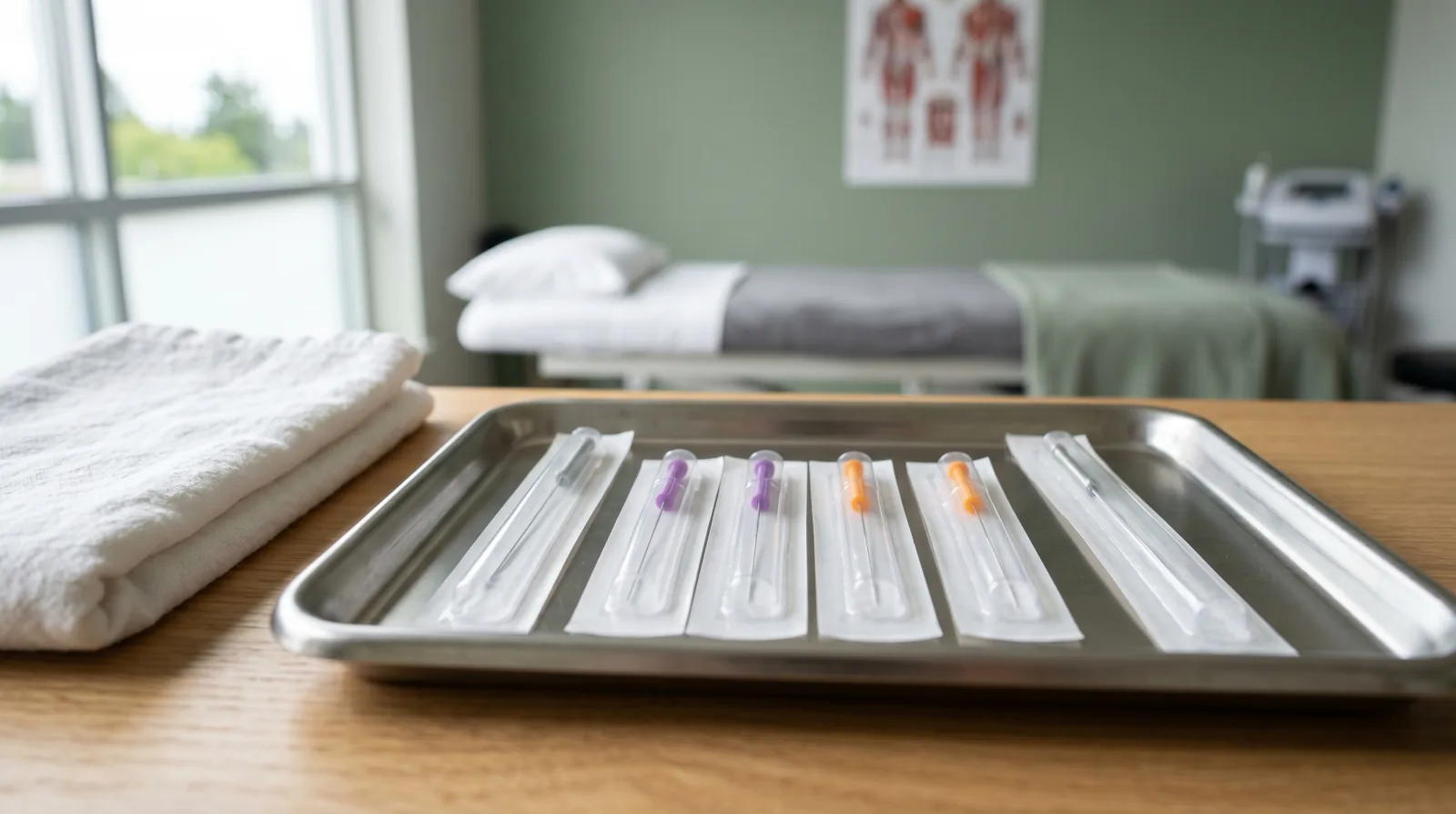 Treatments
Dry Needling vs Acupuncture: What's Actually Different in BC
Dry needling and acupuncture use the same thin needle, but they are regulated differently in BC, trained differently, and chosen for different reasons. Here is how to tell which one your presentation calls for.
READ Conditions
Plantar Fasciitis: The First Six Weeks of Treatment That Actually Works
Plantar fasciitis is one of the most over-treated and under-rebuilt conditions in foot and ankle physiotherapy. Rolling the foot on a frozen water bottle isn't the rebuild. Calf-and-foot strengthening, calibrated load management, and time are.
READ Coverage
Kinesiologist vs Physiotherapist in BC: Scope, Salary, and When to Use Each
Kinesiologists and physiotherapists both work in rehab and active recovery in BC, but they are not the same profession. The scope difference matters, especially for ICBC and WorkSafeBC claims where each plays a distinct role in the recovery arc.
READ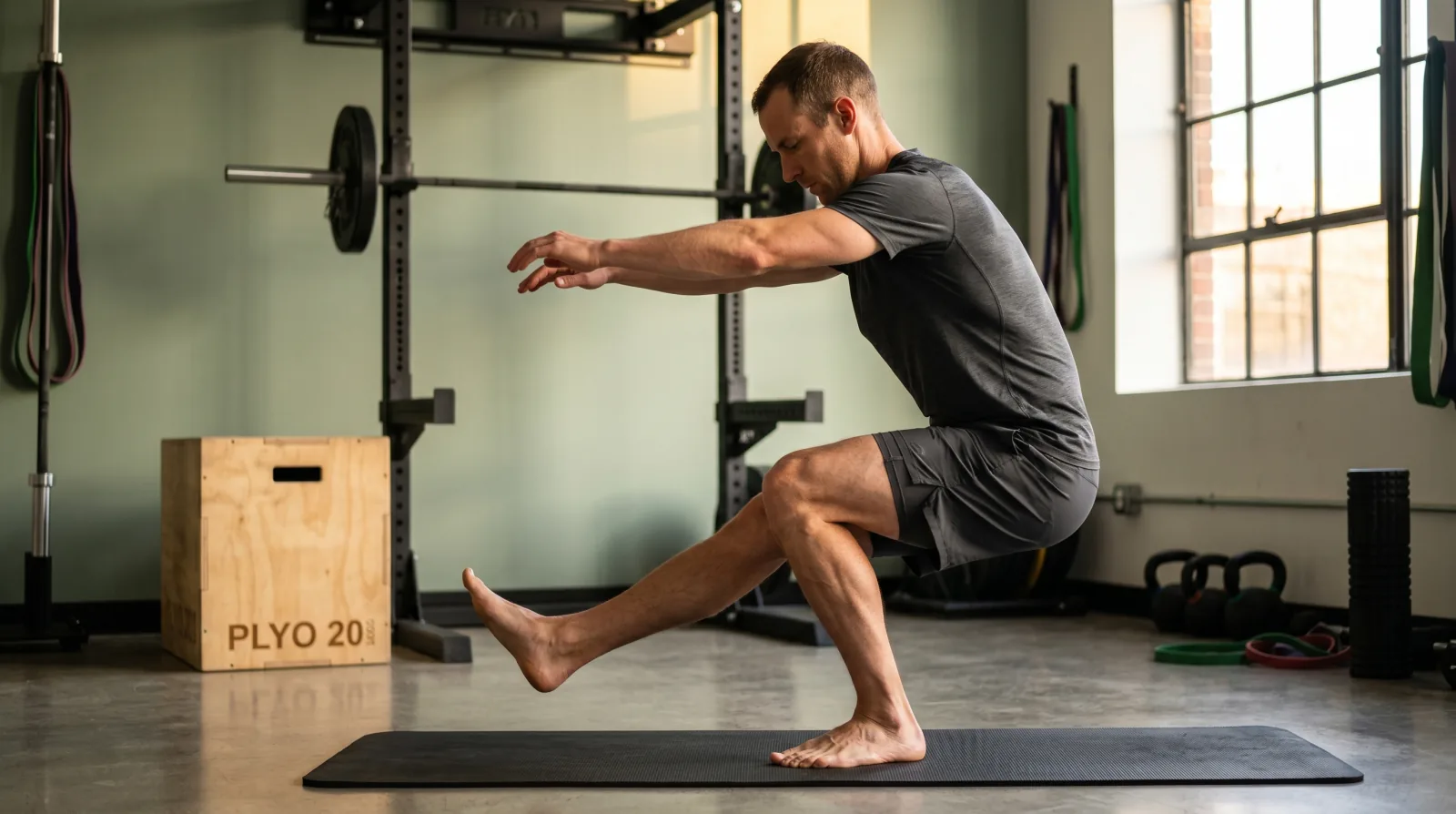 Conditions
Runner's Knee in BC: Why Patellofemoral Pain Keeps Coming Back, and What Actually Rebuilds It
Patellofemoral pain, runner's knee, is one of the most over-rested and under-rebuilt injuries we see. Rest reduces the pain. It rarely resolves the problem. The rebuild that does is a graded loading program targeting the hip as much as the knee.
READ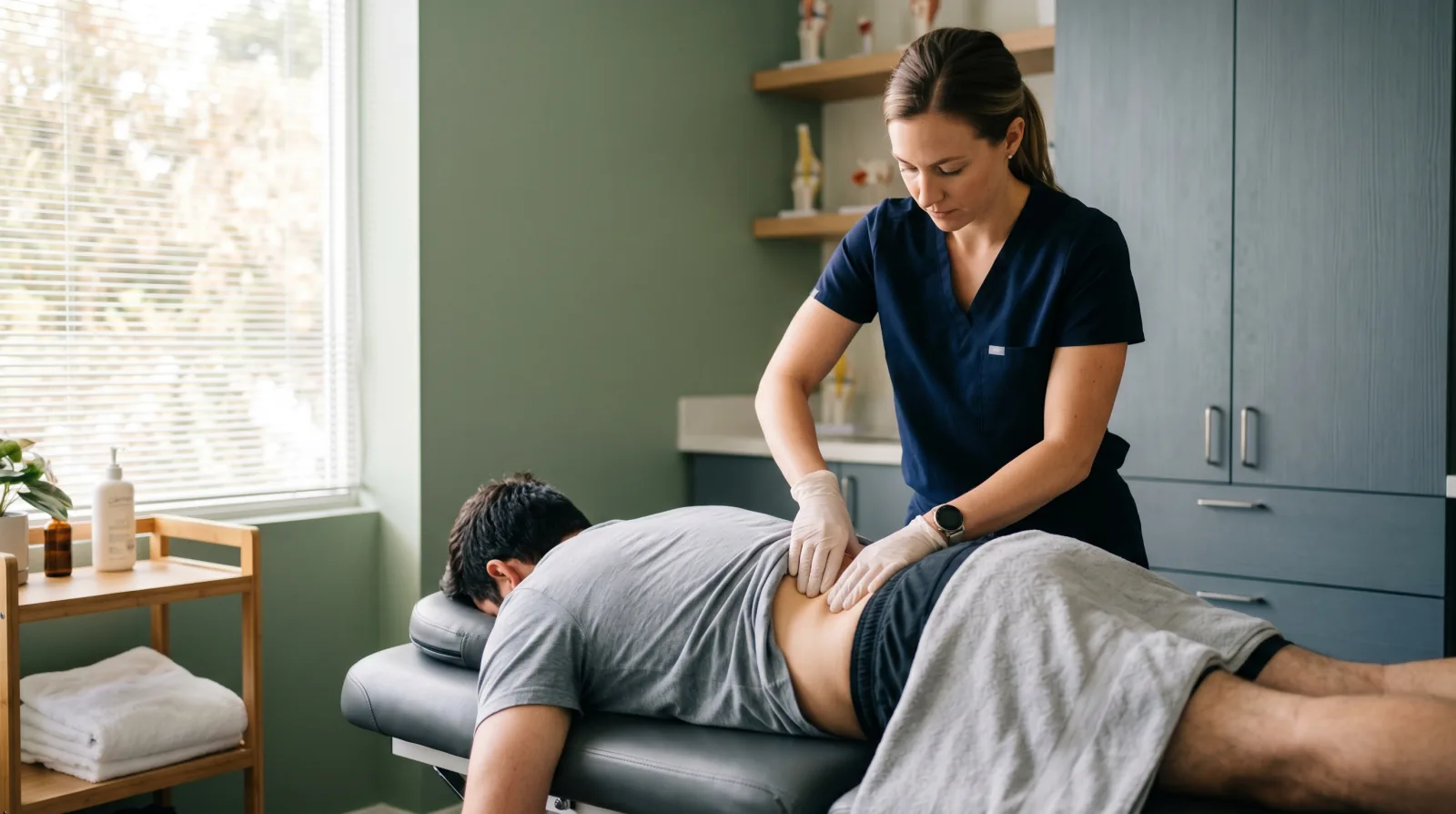 Conditions
Lower Back Pain: How a Physiotherapist Tells Disc, Facet, and Muscular Apart
Most lower back pain is non-specific, but within that label sit three distinct mechanical sub-types. Sorting between them is one of the most useful things a physiotherapist does in a first session, because the treatment for each is genuinely different.
READ Conditions
Concussion Return-to-Learn and Return-to-Work: The Staged Protocol BC Clinicians Actually Use
After a concussion, the recovery question is not whether to rest. It is how to graduate back to thinking, screen time, work, and sport without setting recovery back. The international guidelines describe a staged protocol, and the version your clinician uses follows it closely.
READ- Conditions
Pelvic Floor Physiotherapy Postpartum in BC: What the First Visit Looks Like, What It Costs, and When to Go
Postpartum pelvic floor physiotherapy is one of the most under-utilized parts of recovery after childbirth in BC. The first visit is straightforward, the coverage often surprises people, and the conditions it treats are far broader than incontinence.
READ  Conditions
Frozen Shoulder in BC: The Three Stages, the Real Timeline, and What Physio Can and Can't Do
Frozen shoulder is one of the most misunderstood orthopaedic problems we see. It is not a stiff shoulder you can stretch out of. It is a staged condition with a predictable arc, and the right physiotherapy approach depends entirely on which stage you are in.
READ Conditions
Vestibular vs Cervicogenic Dizziness: How Physiotherapists Tell Them Apart
Dizziness after a neck injury or inner ear problem looks similar from the outside. Physiotherapists use specific assessment tools to distinguish vestibular from cervicogenic dizziness, because the treatment is completely different.
READ Coverage
WorkSafeBC vs ICBC Physiotherapy: Which Claim Applies to Your Injury?
A work injury and a car accident can both land you in physio with a fully covered bill. But WorkSafeBC and ICBC are separate systems with different paperwork, different clinician rules, and different timelines. Here is how to tell which applies and what to expect from each.
READ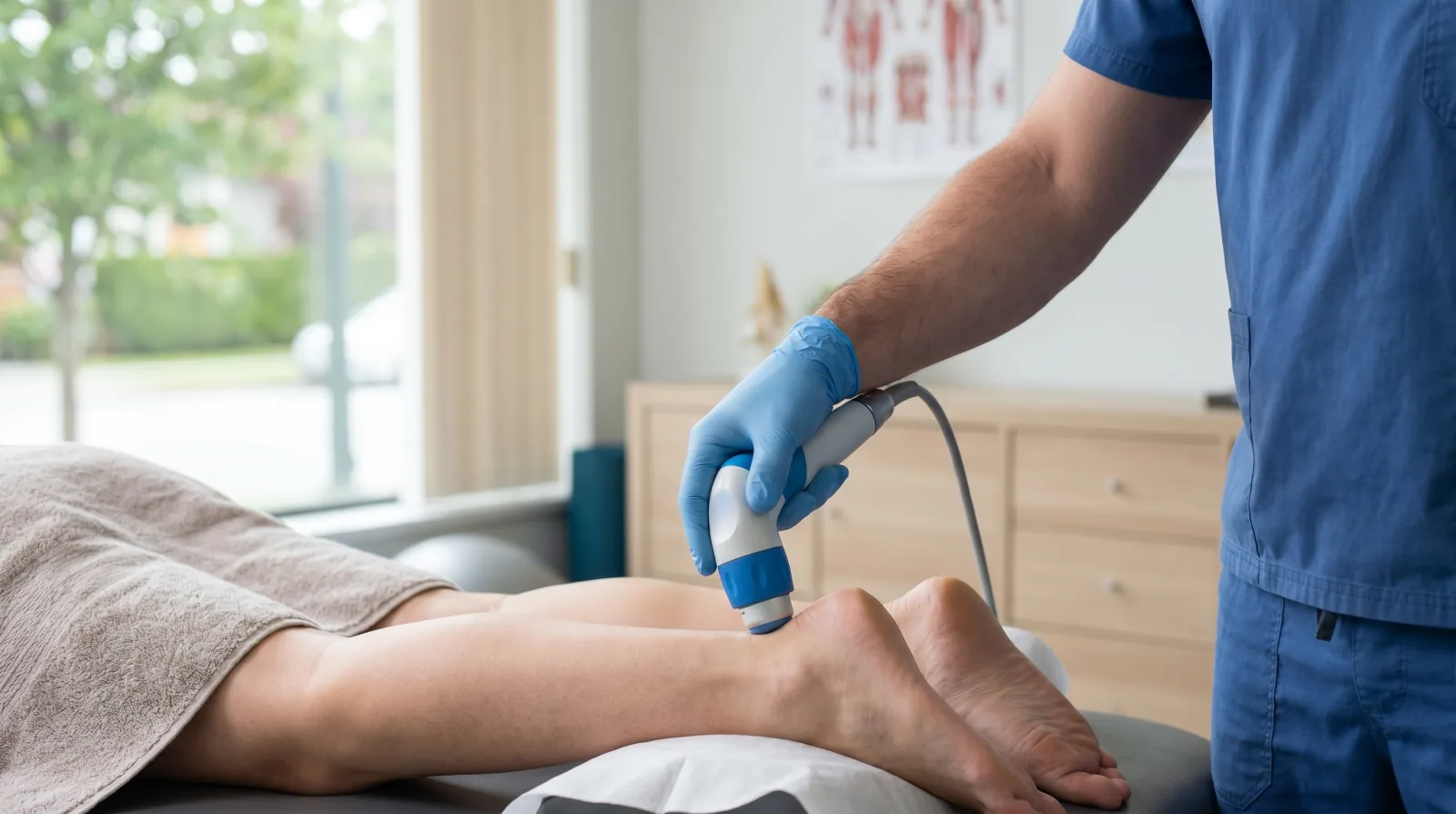 Treatments
Shockwave Therapy vs Cortisone Injection for Tendon Pain
Both shockwave and cortisone can reduce tendon pain. They work differently, carry different risks, and are indicated at different stages of a tendinopathy. Here is what the evidence says about each.
READ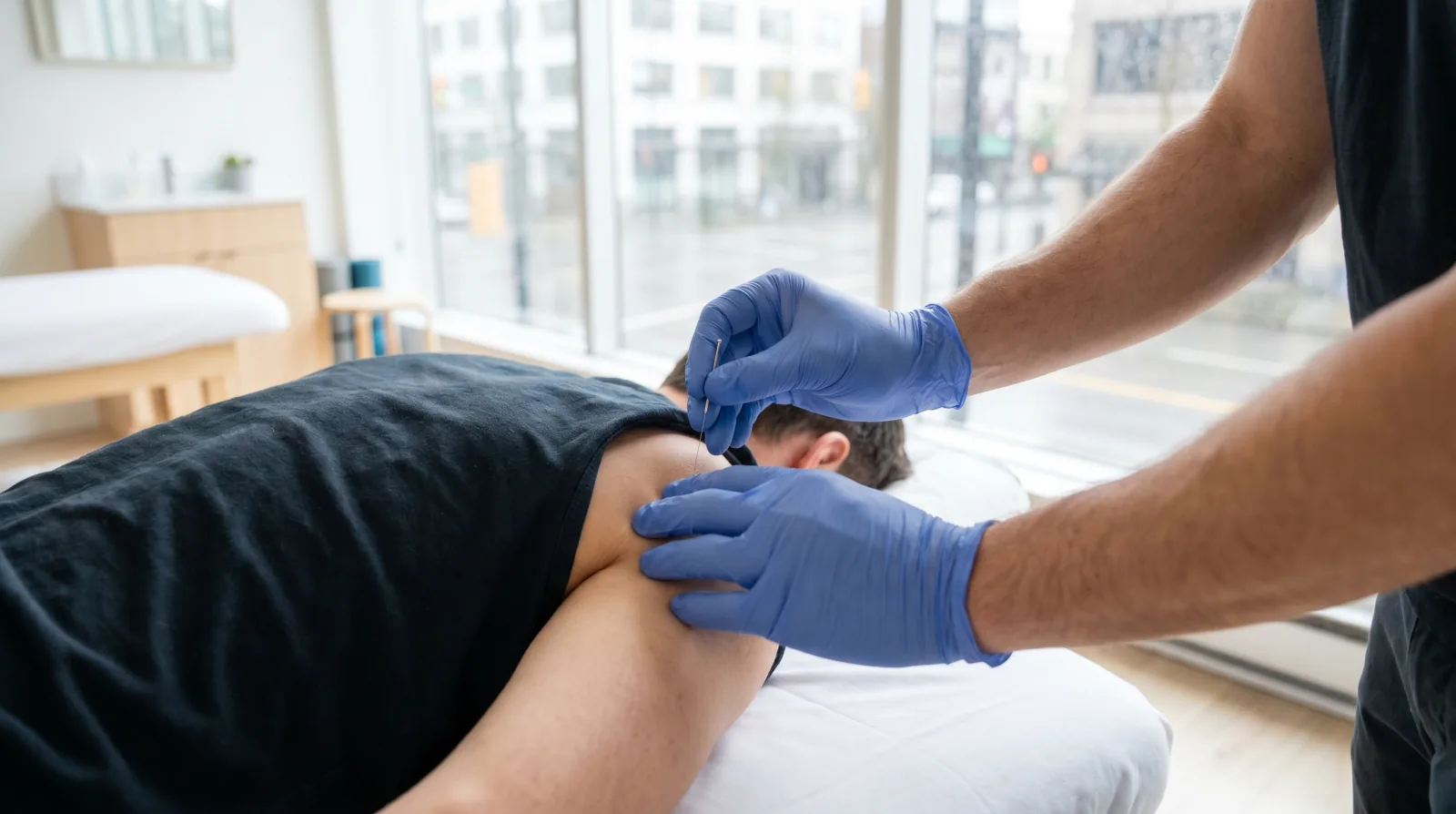 Treatments
IMS vs Acupuncture: Same Needle, Different Scope
IMS and acupuncture use the same thin needle but they come from different colleges, follow different clinical logic, and treat different problems. Here is how to tell which one fits your presentation.
READ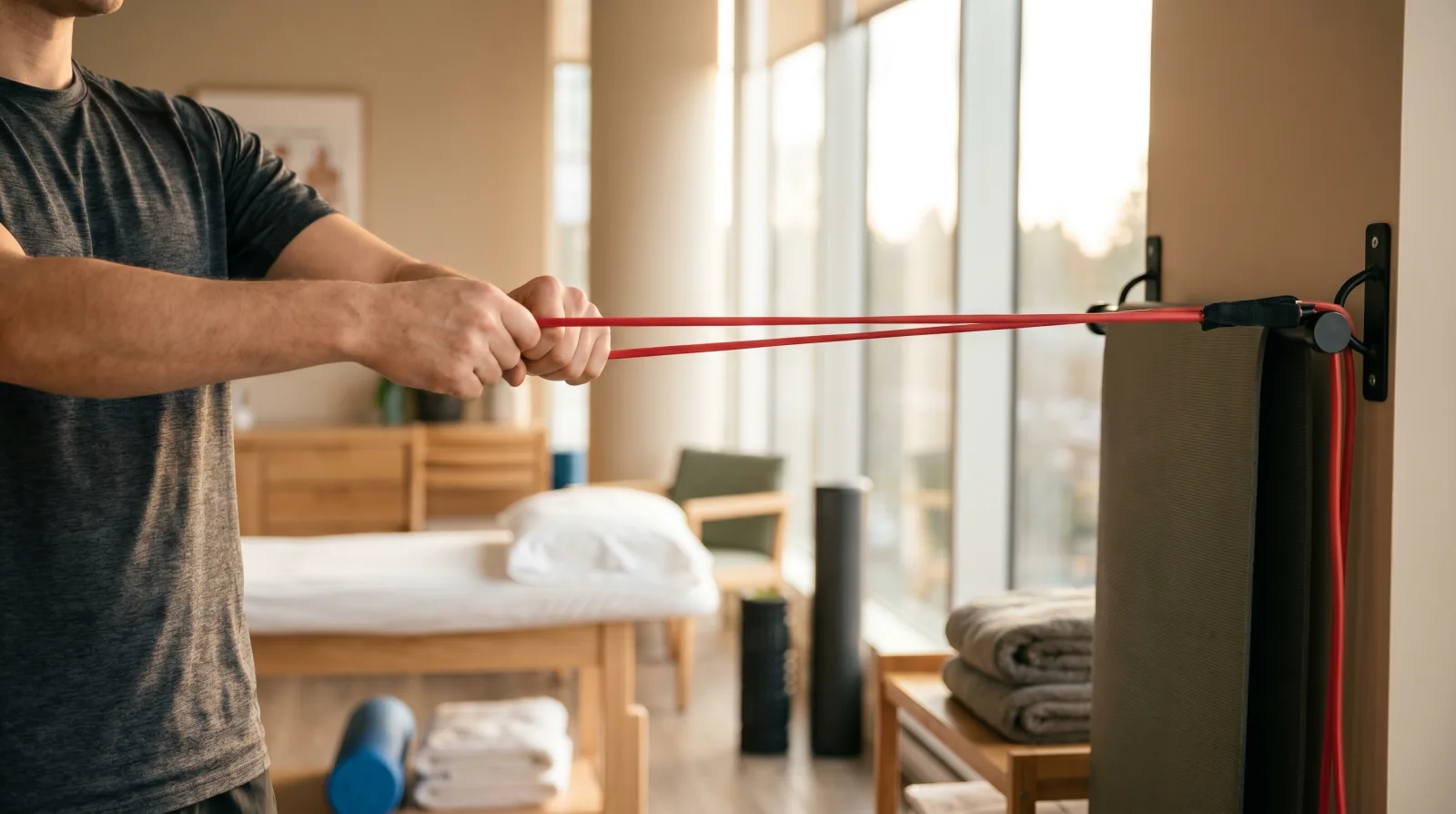 Coverage
ICBC Physio Past 12 Weeks: How Extensions Actually Work
Most BC crash recoveries fit inside the 12-week pre-approval window. Some don't. Here is how the extension process actually works, who initiates it, what gets documented, and what changes in your physio plan past week 12.
READ Coverage
ICBC Physio vs RMT vs Chiro After a Crash: Which Clinician to Start With
Physiotherapists, RMTs, and chiropractors all treat motor vehicle injuries. They are not interchangeable. Here is which clinician fits which presentation, and how to sequence them across your ICBC pre-approved visits.
READ Coverage
Your ICBC Claim Number and the First Physio Visit
The paperwork side of ICBC physio in BC is shorter than most people think. Here is what you need before session one, how direct billing actually clears, and what the first appointment usually looks like.
READ Coverage
ICBC Physio in BC: A Plain-English Guide to Coverage, Care, and Recovery
Everything we get asked about ICBC physio, in the order people usually ask it: pre-approval, paperwork, the first session, which clinician to start with, and what happens if 12 weeks is not enough.
READ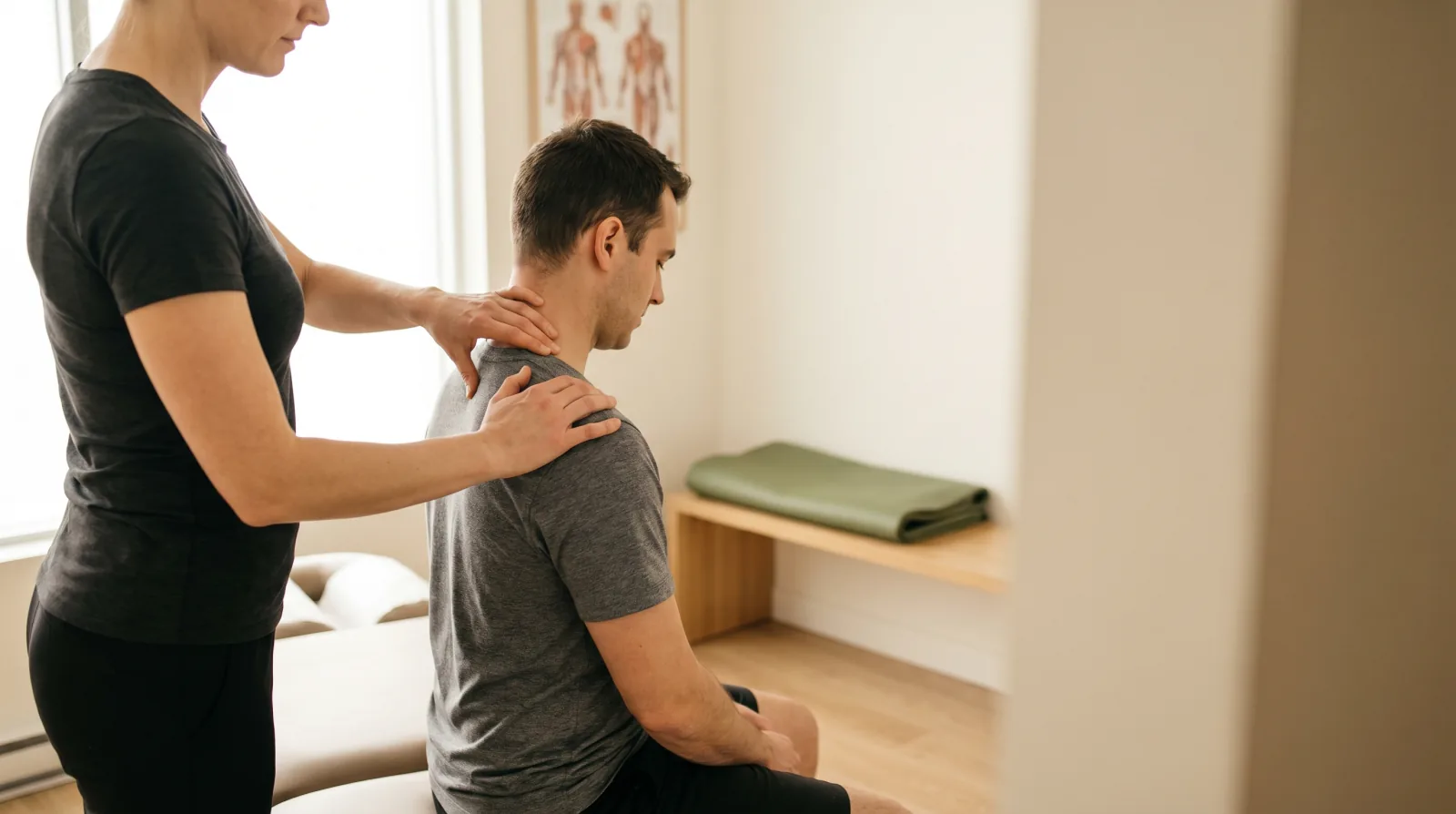 Coverage
ICBC Physio: What the First 12 Weeks Actually Look Like
After a BC car accident, you can start physiotherapy before your claim is even open. Here's how the first 12 weeks of ICBC-covered physio actually work, from claim number to whiplash grading to discharge.
READ