
Men's Pelvic Floor Physiotherapy for Leakage After Prostate Surgery
Leaking urine after prostate surgery is common, and pelvic floor physiotherapy is a first-line option for it. Here is what the male pelvic floor does, why leakage happens after a radical prostatectomy, what the evidence for pelvic floor muscle training actually shows, and what a physiotherapy assessment involves.
BY THE LAUNCH REHAB TEAM
Leaking urine after prostate surgery is common, and most men are not told much about what to do about it. Pelvic floor physiotherapy is one of the first-line options, and the evidence behind it is more nuanced than either the hopeful or the dismissive version you may have heard. This is a plain account of what the male pelvic floor does, why surgery affects continence, what pelvic floor muscle training can and cannot do, and when it is worth seeing a physiotherapist.
What the male pelvic floor actually does
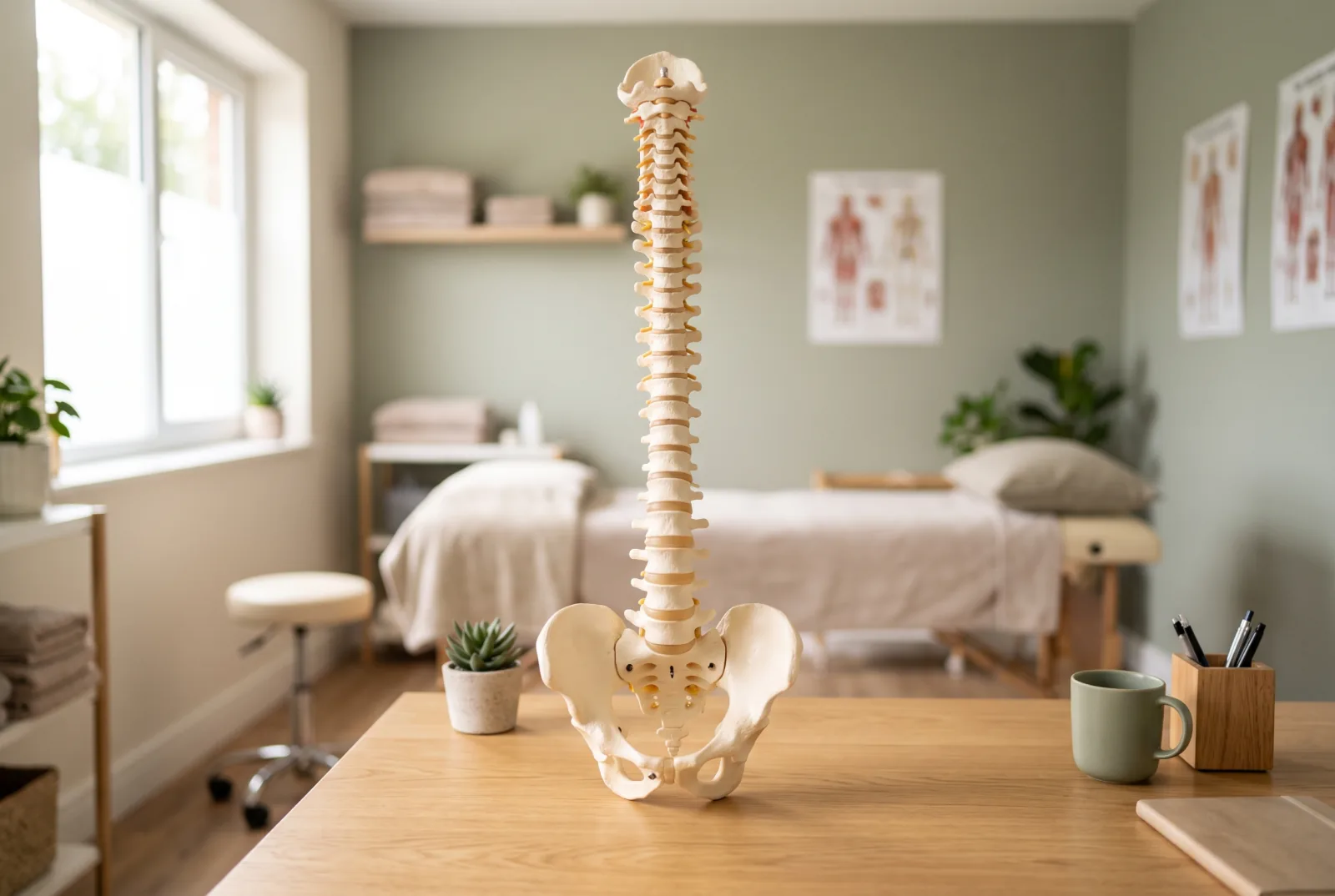
The pelvic floor is a set of muscles that sit like a sling at the base of the pelvis. In men, part of their job is bladder control. The muscle most directly responsible for holding urine is a ring of muscle around the urethra called the external urethral sphincter, and it does not work alone. Anatomical studies show that the surrounding pelvic floor muscles, including the levator ani and the perineal muscles, wrap around and support that sphincter, so continence depends on the whole group working together rather than one muscle doing everything (Anatomical Science International, 2020).
That matters for rehabilitation. When someone learns to contract the pelvic floor correctly, the goal is to recruit the muscles that add closing pressure at the urethra and to time that contraction with the moments leakage tends to happen, such as a cough, a lift, or standing up from a chair.
Why leakage happens after a radical prostatectomy
A radical prostatectomy removes the prostate, which sits directly below the bladder and surrounds the top of the urethra. Removing it changes the local anatomy that helps hold urine in, and part of the continence mechanism has to take over more of the work than it did before. In the first weeks and months after surgery, many men leak, especially with effort or movement. This is a recognised and usually temporary problem.
The decisions about the surgery itself, about medication, and about any further urological procedure belong to your surgeon and urologist. Pelvic floor physiotherapy sits alongside that care. What a physiotherapist can add is training for the muscles that contribute to continence, which is where the rest of this article stays.
What the evidence for pelvic floor muscle training shows
Pelvic floor muscle training, sometimes shortened to PFMT, means learning to contract and relax these muscles correctly, then building their strength, endurance, and timing. It is recommended as a first-line, non-surgical option for leakage after prostate surgery. The honest summary of the research is that the benefit is real but modest, and clearest for how quickly continence returns rather than for the final result a year out.
The 2023 Cochrane review of conservative treatments after prostate surgery found the overall value of these interventions remains uncertain, with most studies small and varying in how the training was taught and delivered (Cochrane review, open-access version, 2023). At the same time, urology guidelines recommend offering the training. The AUA, GURS, and SUFU joint guideline advises that clinicians should offer pelvic floor muscle exercises in the immediate period after catheter removal, and notes that this can speed the return of continence, while continence rates at one year tend to be similar whether or not a man did the training (AUA/GURS/SUFU Guideline: Incontinence after Prostate Treatment).
A meta-analysis of perioperative training reached the same shape of conclusion. Starting the exercises after surgery reduced early leakage, but the difference between the trained and untrained groups had largely closed by twelve months, and adding a course of training before surgery did not improve the final result over starting at catheter removal (BMC Urology meta-analysis, 2023). Training tends to help you get dry sooner, and many men recover over time regardless, so the strongest case for physiotherapy is getting back to normal life faster rather than a guarantee of a different result.
Why starting early and being supervised seems to help most
Two threads run through this research. The benefit tends to show up in the early months, and it tends to be larger when the training is done well rather than guessed at. That points to starting soon after your surgeon clears you, usually once the catheter is out, and to being taught the contraction properly rather than assuming you already know it.
This is where a lot of self-directed effort goes wrong. Many men squeeze the wrong muscles, hold their breath, or bear down instead of lifting, which can work against continence. A pelvic floor physiotherapist checks that you are recruiting the right muscles before building a program, which is the part that is hard to get right from a handout. We are careful not to promise a timeline, because recovery depends on the surgery, your starting continence, age, and other health factors, and your surgeon and physiotherapist are the ones to set expectations for your situation.
What a pelvic floor physiotherapy assessment involves
A first visit is mostly conversation and screening. The physiotherapist asks about your surgery, when your catheter came out, what your leakage looks like day to day, what triggers it, how much you are using, and what your bladder habits are. That history shapes everything that follows.
The assessment then checks whether you can find and correctly contract the pelvic floor muscles, and whether you can relax them, because a muscle that cannot let go is as much a problem as one that cannot squeeze. Depending on findings and your consent, this can include an internal (rectal) examination, which is the most direct way to confirm the muscles are working, though it is always optional and never a requirement to start. From there the physiotherapist builds a program you practise between visits and progresses it based on how your leakage responds. Our pelvic floor service has run mainly for women during and after pregnancy, as covered in our notes on pelvic floor physiotherapy after birth and when to start prenatal physiotherapy; the same muscle-training principles apply to men, with the assessment adjusted to male anatomy and the post-surgical picture. Pelvic health physiotherapy is currently available at our Lougheed, Coquitlam and North Burnaby studios.
Other core structures can lose function in men too. A related pattern is diastasis recti in men, a separation of the connective tissue down the centre of the abdomen that can follow heavy straining, a large weight change, or abdominal surgery. If you notice both pelvic floor symptoms and a midline abdominal bulge, mention both at booking so the assessment covers the full picture.
Where physiotherapy fits, and where it does not
Pelvic floor physiotherapy sits in the muscle-training lane. It can help you recruit and time the pelvic floor, reduce leakage with effort, and often shorten how long the problem lasts. It does not diagnose the cause of urinary symptoms, treat the prostate, or replace your urologist. In BC, physiotherapists are regulated by the College of Health and Care Professionals of BC, and pelvic health is within that scope; decisions about surgery, medication, or a procedure such as a sling or artificial sphincter belong to your surgeon.
Some symptoms need your surgeon or urgent medical care first: blood in the urine, fever, a sudden inability to pass urine, or pain that is new and worsening. If you are unsure whether your leakage is the ordinary post-surgical kind or something that needs your urologist, ask the surgical team first.
When to see a physiotherapist for this
The practical answer is early. If your surgeon has cleared you and your catheter is out, that is a reasonable point to have the contraction checked and a program set, given that the research favours starting sooner. It is also worth booking if leakage has stalled, if you are not sure you are doing the exercises correctly, or if you started on your own and want confirmation you are on the right muscles.
If you are weighing whether pelvic floor physiotherapy is the right step, an assessment is where a physiotherapist tests the muscles directly and builds the plan around what they find, rather than a generic sheet of exercises. Coverage and booking details are on our rates and FAQ page. The strongest outcomes tend to come from starting early, learning the contraction properly, and keeping it up, rather than from any single exercise done occasionally.
This article is general information, not personal medical advice. A regulated practitioner can confirm whether the patterns described apply to you.
Frequently asked questions
Does pelvic floor physiotherapy cure incontinence after prostate surgery?
No treatment guarantees dryness. The evidence suggests pelvic floor muscle training tends to help continence return sooner, while many men recover over the first year with or without it, so the clearest benefit is a faster return to normal life rather than a different final result.
When should I start pelvic floor exercises after a prostatectomy?
Usually once your surgeon has cleared you and the catheter is out. Guidelines recommend offering the training in the period right after catheter removal, and the benefit tends to show up in those early months, so starting early is reasonable. Confirm timing with your surgical team.
Do I need to do the exercises before surgery?
Not necessarily. One meta-analysis found that adding a course of training before surgery did not improve the final result compared with starting after catheter removal. Some men still find it useful to learn the contraction beforehand so it is familiar afterward, since being taught the technique correctly seems to matter more than exactly when training starts.
Is the assessment always internal?
No. An internal (rectal) examination is the most direct way to confirm the muscles are working, but it is optional and requires your consent. The physiotherapist can begin with history and external assessment and only proceed further if it is appropriate and you agree. The goal is always to confirm you are recruiting the correct muscles, whichever method gets there.
Can a physiotherapist tell me whether I need more surgery?
No. Decisions about further procedures, medication, or the prostate itself belong to your surgeon and urologist. A physiotherapist works on the pelvic floor muscles and will refer you back to your surgical team for anything outside that scope. If leakage has not improved after a genuine course of pelvic floor training, that is a reasonable prompt to raise with your urologist too.
Does Launch Rehab offer this for men?
Yes. Our pelvic floor physiotherapy has mostly served women during and after pregnancy, and the same muscle-training approach applies to men, with the assessment adjusted for male anatomy and the post-surgical situation. It is currently available at our Lougheed, Coquitlam and North Burnaby studios. Book a physiotherapy initial assessment and note at booking that the concern is post-prostatectomy leakage, so you are matched to a physiotherapist with pelvic health training. Current fees are on our rates and FAQ page, and the visit bills as physiotherapy under most extended health plans.
What muscles actually control urine leakage in men?
The external urethral sphincter, a ring of muscle around the urethra, is the muscle most directly responsible. It does not work alone: the surrounding pelvic floor muscles, including the levator ani and perineal muscles, wrap around and support it, so continence depends on the whole group working together rather than one muscle doing everything.
Why do so many men do the exercises wrong on their own?
The most common mistakes are squeezing the wrong muscles, holding the breath, or bearing down instead of lifting, any of which can work against continence rather than for it. A pelvic floor physiotherapist checks that you are recruiting the correct muscles before building a program, which is the part that is hard to get right from a handout or an app alone.
Is there anything that speeds up recovery besides the exercises themselves?
The research points to two things mattering most: starting soon after your surgeon clears you, and being taught the contraction correctly rather than guessing. Both threads run through the evidence, the benefit shows up mainly in the early months, and it tends to be larger when the training is supervised rather than self-directed.
Sources
- Various significant connections of the male pelvic floor muscles with special reference to the anal and urethral sphincter muscles, Anatomical Science International (2020)
- Conservative interventions for managing urinary incontinence after prostate surgery, Cochrane Database of Systematic Reviews, open-access version (2023)
- Incontinence after Prostate Treatment: AUA/GURS/SUFU Guideline (2019, amended 2024)
- The effect of perioperative pelvic floor muscle exercise on urinary incontinence after radical prostatectomy: a meta-analysis, BMC Urology (2023)
- College of Health and Care Professionals of BC (CHCPBC): regulator of physiotherapists in British Columbia
WRITTEN BY
The Launch Rehab Team
Practical recovery and training notes from the clinicians at our five Metro Vancouver studios.
FOUND THIS USEFUL?
Share it with your network on LinkedIn. We wrote a ready-to-post version for you.
FILED UNDER
- pelvic-floor
- mens-health
- urinary-incontinence
- prostate-surgery
- physiotherapy
- bc