Clinical Pilates in Vancouver: Who It's For
Clinical Pilates is not boutique Pilates with a stethoscope. It is rehab programming delivered through Pilates equipment, supervised by a physiotherapist or kinesiologist. Here is who actually benefits, and who is better served by a regular studio.
BY THE LAUNCH REHAB TEAM
Vancouver has no shortage of Pilates. Studios on every second block, mat classes, reformer classes, heated variations. Clinical Pilates is a different product wearing similar equipment, and the difference is the supervising clinician and the reason you are on the reformer in the first place.
What makes Pilates "clinical"
At Launch Rehab, clinical Pilates is designed and supervised by a physiotherapist or kinesiologist. The session starts from your medical history, injuries, and goals rather than from a class plan, and it begins with a mandatory one-on-one assessment before you touch the equipment. That assessment is the dividing line. A studio instructor asks what level you are. A clinician asks what your tissues are currently healing from and builds backward from there.
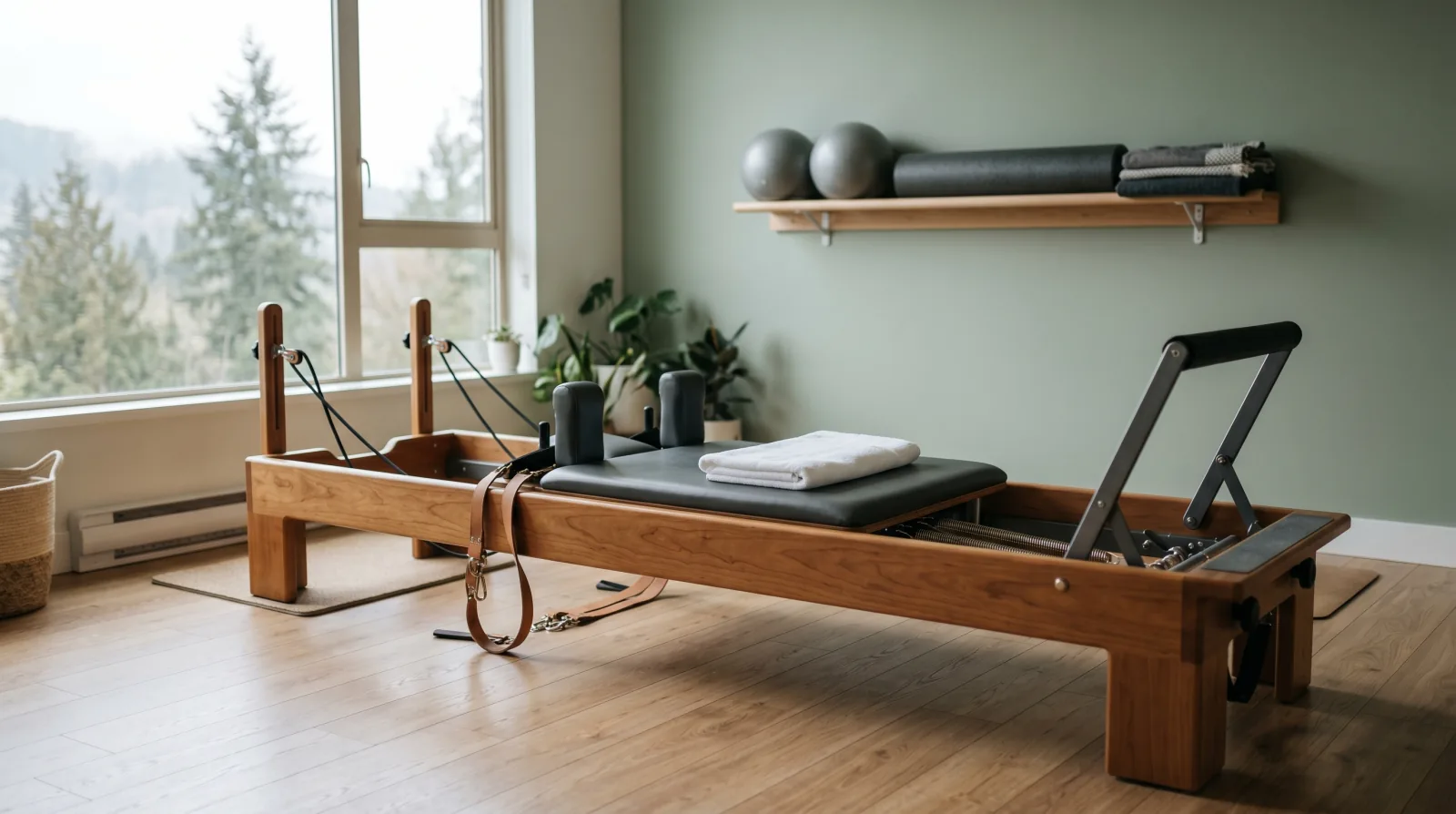
The programming logic is rehab logic. Exercises are selected to load specific structures at specific doses, progressed when your body proves it tolerates them, and modified the week something flares. The reformer's springs make load adjustable in small increments in both directions, which is exactly what early rehab needs and what a barbell is bad at.
Who clinical Pilates fits best
Across our Metro Vancouver studios, the people who get the most out of it cluster into recognizable groups.
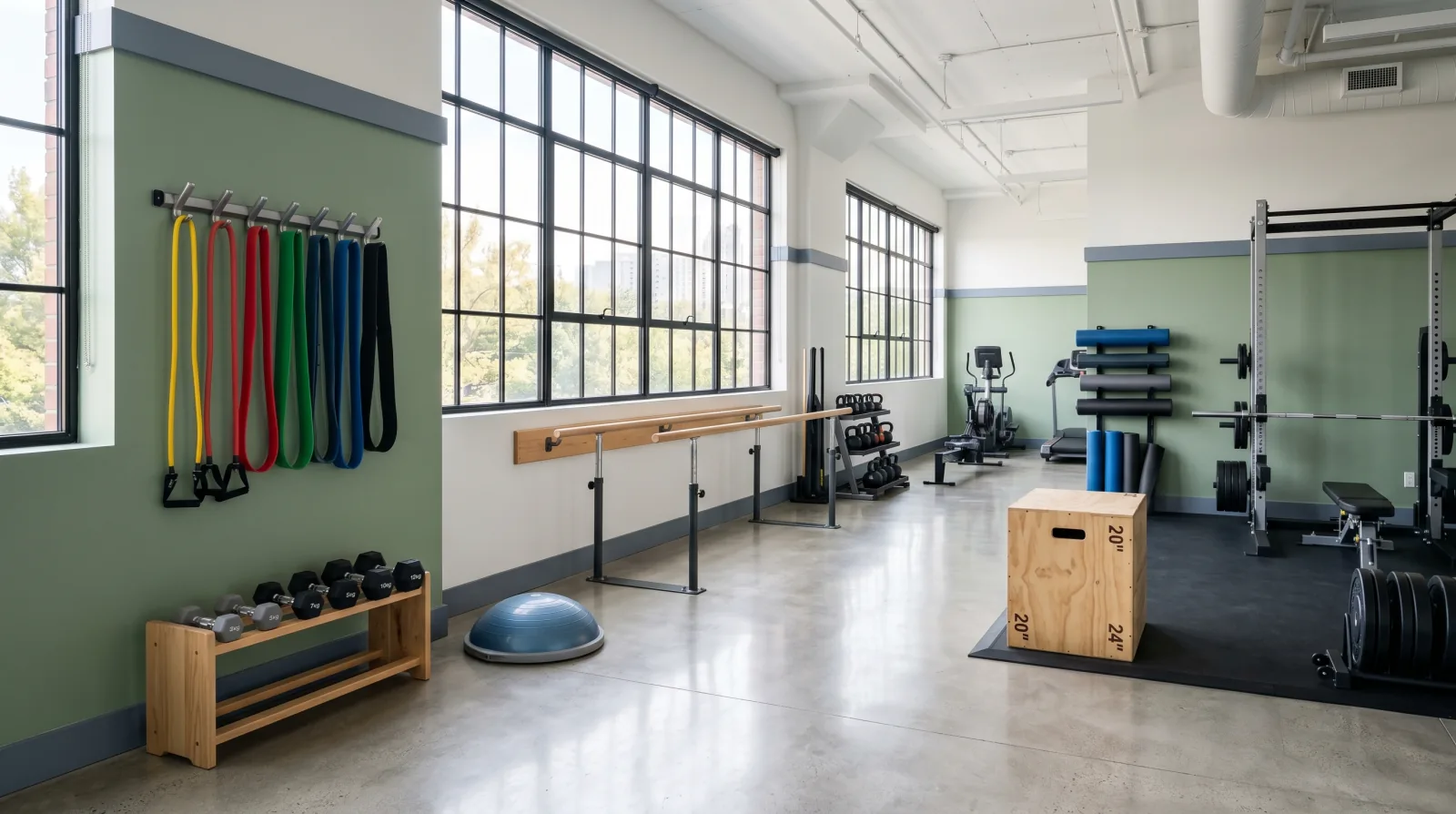
People mid-rehab who have outgrown the clinic exercises but are not ready for the gym. The gap between "three sets with a green band" and "back to fitness classes" is real, and it is where a lot of recoveries stall. Clinical Pilates is purpose-built for that middle stretch: more load and complexity than clinic homework, more supervision and adjustability than a drop-in class.
People with recurring low back pain. The evidence here is honest rather than spectacular: a Cochrane review of Pilates for low back pain found low to moderate quality evidence that it beats minimal intervention for pain and disability, with no proof it is superior to other forms of exercise. We read that the same way we tell clients: the magic is not in the method, it is in doing progressive, supervised exercise consistently. Pilates is one of the more sustainable ways to do that, especially for people who find gyms unpleasant. Our piece on what is actually driving low back pain pairs well with this.
Pregnant and postpartum clients. Low-impact, precisely scalable, comfortable positions late into pregnancy, and a natural delivery vehicle for the strength work covered in our prenatal physiotherapy guide. The supervising clinician adjusts positions trimester by trimester.
Older adults rebuilding confidence in their bodies. The spring assistance means movements can be made easier as well as harder, which suits joints that need motion without impact. Balance, hip strength, and getting off the floor are all trainable on the equipment.
Who should probably book something else
Honesty earns more trust than a sales page. If you are fit, uninjured, and want a workout, a regular Pilates studio is cheaper and built for exactly that, and several good ones operate near our studios. If your pain is new and undiagnosed, book a physiotherapy assessment first rather than any class, clinical or otherwise. And if your goal is maximal strength or sport-specific power, you will eventually need heavier tools than springs. Our kinesiology service handles that gym-based progression, and clients often graduate from clinical Pilates into it.
What a first session actually looks like
The required initial assessment is one-on-one with the supervising clinician: history, movement screen, strength and control testing, and goal setting. Your program is built from those findings. Sessions after that run on the equipment with the clinician coaching technique, dosing the springs, and progressing or regressing each exercise based on how your body responded since last time.
Expect homework. The session is the supervised dose, and the carryover between sessions is where the adaptation happens. Most clients attend once or twice weekly for a stretch, then taper as independence grows.
What it costs and what insurance covers
This one has a genuinely useful wrinkle. When clinical Pilates is prescribed and supervised by a physiotherapist, most extended health plans reimburse it under the physiotherapy pool. When a kinesiologist supervises, it is generally a private-pay service, since few plans hold a kinesiology line. Same equipment, different billing reality, so it is worth a call to your insurer before assuming either way. Current fees are on our rates page, and the front desk can tell you which clinician type fits your coverage before you book the assessment.
ICBC clients are a special case worth mentioning: kinesiology is one of the pre-approved disciplines after a crash, so active rehab sessions that look a lot like clinical Pilates programming may be claimable through your ICBC claim. Our ICBC physiotherapy guide explains how those approvals work.
The Vancouver-specific part
Clinical Pilates equipment takes space, so not every studio in every clinic offers the full setup. At Launch Rehab the program runs out of our Metro Vancouver studios with physiotherapists and kinesiologists who do this work as a core part of their week, not as a side offering. Check the clinical Pilates page for which of our five locations currently runs equipment sessions, since availability shifts as the program grows.
If you are commuting to it, the once-or-twice-weekly cadence matters more than the postcode. The clients who do best pick the location they can actually reach consistently, and consistency beats the perfect studio every time.
How to decide in one paragraph
If you are recovering from something, managing a recurring problem, pregnant, postpartum, or rebuilding after time away from movement, clinical Pilates is likely a fit, and the assessment will confirm it or redirect you. If you are healthy and want fitness Pilates, book a studio and enjoy it. If you are not sure which side of that line you are on, that uncertainty is itself a reason to start with the assessment.
Frequently asked questions
What is the difference between clinical Pilates and regular Pilates? Clinical Pilates is designed and supervised by a physiotherapist or kinesiologist around your medical history and injuries, and it starts with a mandatory one-on-one assessment. Regular Pilates is fitness programming for generally healthy people.
Is clinical Pilates covered by insurance? Often, when prescribed and supervised by a physiotherapist, it bills to the physiotherapy pool of extended health plans. Kinesiologist-supervised sessions are usually private pay. Confirm with your insurer.
Do I need to have done Pilates before? No. Programs start from your assessment findings, not from Pilates experience. Most of our clinical Pilates clients had never used a reformer before their first session.
Can I do clinical Pilates while pregnant? Yes, in most pregnancies, and it suits the Canadian pregnancy activity guideline's mix of resistance and low-impact work well. The supervising clinician adapts positions and loads by trimester.
How many sessions before I notice a difference? It depends on what you are training and where you started. Strength and control changes typically build over weeks of consistent sessions, and your clinician will set honest expectations at the assessment.
This article is general information, not personal medical advice. A regulated practitioner can confirm whether the patterns described apply to you.
Sources
- Yamato et al., Cochrane Database of Systematic Reviews, 2015 — Pilates for low back pain
- CSEP — 2019 Canadian Guideline for Physical Activity throughout Pregnancy
WRITTEN BY
The Launch Rehab Team
Practical recovery and training notes from the clinicians at our five Metro Vancouver studios.
FILED UNDER
- clinical-pilates
- exercise-rehab
- kinesiology
- physiotherapy
- metro-vancouver