
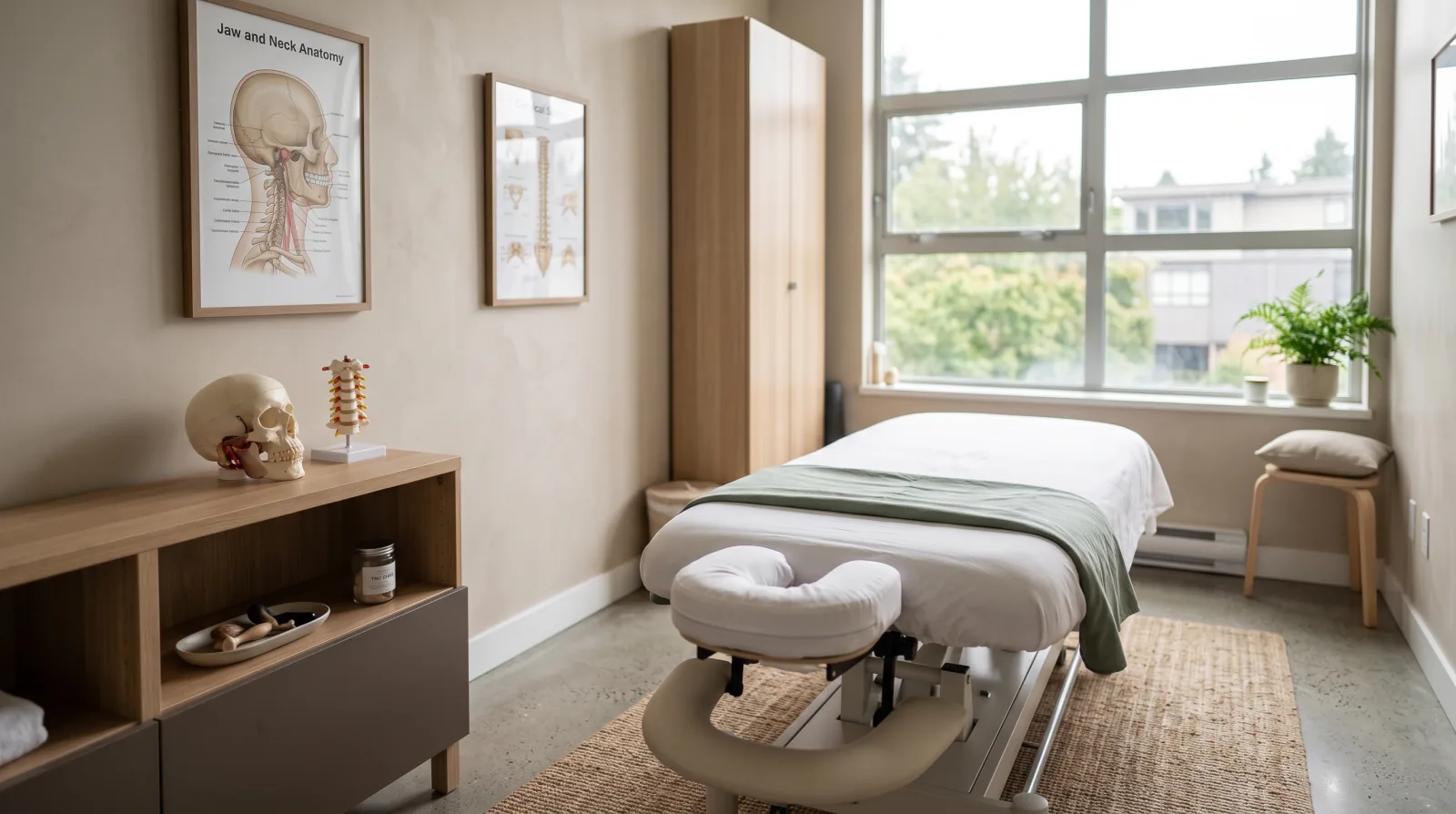
TMJ THERAPY
TMJ therapy for a painful, clicking jaw.
Hands-on therapy for the temporomandibular joint: treatment for jaw pain, clicking and the neck tension that travels with it.
OVERVIEW
What is TMJ therapy?
Temporomandibular joint (TMJ) therapy is a specialized area of care that treats the jaw joint, surrounding muscles, and related head-and-neck systems that control how you chew, speak, and open your mouth. When these systems are overloaded or dysfunctional from clenching, grinding, stress, posture, or injury, the result can be jaw pain, clicking, locking, headaches, facial tension, ear symptoms, or difficulty moving the jaw comfortably.
At Launch Rehab, TMJ therapy is provided by therapists with formal TMJ training. Assessment includes detailed screening of the jaw joint, neck, posture, tongue function, scalp and facial muscle tension, and movement patterns to identify the primary drivers of symptoms.
Treatment is individualized and may include intraoral and external soft tissue release, TMJ joint mobilizations, cupping, therapeutic exercise, and habit retraining strategies to reduce strain from clenching or grinding (bruxism).
This page is general information, not personal medical advice or a diagnosis. A regulated practitioner can confirm what applies to your specific situation.
BENEFITS
What this work is for.
- Reduce jaw pain, clicking, locking and stiffness
- Relieve tension headaches, facial pain and ear-related symptoms
- Improve chewing, speaking and mouth opening
- Address clenching and grinding patterns (including sleep bruxism)
- Restore comfortable, coordinated jaw and neck function
CONDITIONS WE TREAT
What we help with.
- Jaw pain on one or both sides
- Clicking or popping when you open your mouth
- Jaw locking or getting stuck
- Ear pain or fullness with no ear infection
- Ringing in the ears (tinnitus)
- Jaw-related tension headaches and migraines
- Neck and shoulder tension linked to the jaw
- Face, cheek and temple pain
- Pain when chewing, yawning or talking
- Limited or uneven mouth opening
- Teeth grinding and clenching (bruxism)
- Jaw pain after dental work or a car crash
WHAT TO EXPECT
Your session, step by step.
Assessment
We measure how far and how evenly your jaw opens, palpate the jaw and neck muscles, check the joint through range, and screen the upper cervical spine. You leave the first session with a working picture of what is driving the pain and a written plan.
Hands-on treatment
External and, with your consent, intraoral soft-tissue release of the jaw muscles, gentle TMJ joint mobilization, and cupping over the surrounding neck and jaw tissue where it helps as indicated.
Exercise and habit retraining
A short, specific set of exercises for jaw tracking and opening, plus retraining for the daytime clenching and grinding (bruxism) that keeps the muscle load balanced and jaw movements coordinated. Reviewed and progressed every visit.
Jaw and neck together
The jaw and the upper neck share a functional connection, so we treat them as one system: restoring coordinated, symmetrical movement rather than chasing the jaw on its own.
Assessment
We measure how far and how evenly your jaw opens, palpate the jaw and neck muscles, check the joint through range, and screen the upper cervical spine. You leave the first session with a working picture of what is driving the pain and a written plan.
Hands-on treatment
External and, with your consent, intraoral soft-tissue release of the jaw muscles, gentle TMJ joint mobilization, and cupping over the surrounding neck and jaw tissue where it helps as indicated.
Exercise and habit retraining
A short, specific set of exercises for jaw tracking and opening, plus retraining for the daytime clenching and grinding (bruxism) that keeps the muscle load balanced and jaw movements coordinated. Reviewed and progressed every visit.
Jaw and neck together
The jaw and the upper neck share a functional connection, so we treat them as one system: restoring coordinated, symmetrical movement rather than chasing the jaw on its own.
UNDERSTANDING TMJ THERAPY
A plain-language guide to jaw pain.
WHY IT HAPPENS
What causes jaw pain and TMJ trouble
The temporomandibular joint is one of the busiest joints in the body. You use it every time you eat, talk, yawn or swallow. Most jaw pain is not caused by one dramatic injury. It builds up when the muscles and the joint are loaded more than they can handle, often for reasons that have nothing to do with your teeth.
Because the jaw and the upper neck work as one system, neck tension and posture feed into jaw symptoms and back again. That is why treating the jaw on its own often does not hold. The common drivers we see are:
Clenching and grinding (bruxism)
Daytime clenching under stress and night-time grinding keep the jaw muscles switched on for hours, which leaves them sore and tired.
Stress and habit
Many people hold the jaw tight without noticing, resting the teeth together when they should be slightly apart.
Neck and posture
A head-forward desk or phone posture changes the resting position of the jaw and loads the muscles that connect the two.
After dental work
Long dental appointments or wisdom-teeth removal can leave the jaw stiff and sore for a while as the muscles recover.
After a car crash
Whiplash can strain the jaw and neck at the same time, so jaw pain sometimes shows up in the days after a collision.
The joint and disc
A small disc inside the joint can move differently, which produces clicking, catching or, less often, locking.
AT HOME
Simple ways to calm a sore jaw
While you wait to be seen, a few gentle changes settle many sore jaws. None of these are a cure, and none should hurt. They lower the load on the muscles so the joint has a chance to calm down.
Rest the jaw in neutral
Keep your lips together but your teeth slightly apart, with the tongue resting behind your top teeth. This is the jaw's real resting position, not teeth touching.
Soften your food for a while
Smaller bites and softer meals give the muscles a break. Avoid gum, hard crusts and chewy foods during a flare.
Warmth for tight muscles
A warm compress on the cheek muscles for 10 to 15 minutes can ease tightness. Use cold instead if the joint feels sharp or swollen.
Gentle opening, no clicking
Slowly open and close within a comfortable, pain-free and click-free range a few times. The goal is smooth, small movement, not stretching into pain.
Notice the daytime clench
Set a phone reminder to check your jaw through the day. If your teeth are together, let the jaw drop and the shoulders soften.
This is general information, not a treatment plan. Stop any movement that increases your pain, and see a regulated clinician if your jaw locks, will not open or close, or the pain is getting worse. The right exercises for you depend on what your assessment finds.
WHO TO SEE
Physio, dentist, or a night guard?
Jaw pain sits in a gap between dentistry and rehabilitation, and people often bounce between the two without a plan. Here is who does what, so you can start in the right place.
Physiotherapy
Assesses and treats the joint, the muscles and the neck. Uses hands-on release, joint mobilization, exercise and habit retraining to reduce pain and improve how the jaw moves.
Registered massage therapy (RMT)
Works on the tight chewing and neck muscles, including inside-the-mouth muscle release where trained. A good partner to physiotherapy for muscle-driven jaw pain.
Dentist
Looks after the teeth and bite and is the only professional who makes and fits a night guard for grinding. The right choice when a tooth, bite or night-grinding problem is the main driver.
A night guard and physio together
A night guard protects the teeth from night grinding but does not treat the muscles or joint. Pairing it with physiotherapy addresses both sides of the problem.
A night guard on its own does not fix jaw pain, which is a common myth. It protects the teeth from grinding, but the muscle and joint work still needs to happen. When your jaw problem is clearly dental, we will tell you and coordinate with your dentist.
COVERAGE IN BC
What TMJ therapy costs and what covers it
In British Columbia you do not need a doctor's or dentist's referral to book. Current session prices are on our rates page. How the visit is paid for depends on which clinician you see and how your jaw problem started.
Extended health insurance
Most plans cover physiotherapy, massage therapy and chiropractic, each from its own pot. We direct-bill most insurers up to your plan limit, and you pay any balance on the day.
ICBC (after a car crash)
If your jaw pain follows a collision, it is treated within ICBC's pre-approved physiotherapy, with no referral needed. Bring your claim number and we bill ICBC directly.
MSP
MSP helps only with a limited number of physiotherapy visits for people on its supplementary benefits (lower-income households). It is not a general physiotherapy benefit.
WorkSafeBC
If your injury is work-related and the claim is accepted, physiotherapy is covered at no direct cost to you.
ICBC COVERAGE
Jaw pain after a car crash?
Whiplash can strain the jaw and neck together, so jaw pain, clicking and headaches sometimes show up in the days after a collision. This is treated within ICBC's pre-approved physiotherapy, with no referral needed. Bring your claim number and we bill ICBC directly.
WHY LAUNCH REHAB
What you get with us.
One-on-one, always
The clinician who assesses you is the clinician who treats you and progresses your plan. No assistant hand-off.
Five Metro Vancouver studios
Lougheed, Coquitlam, Richmond, New Westminster and North Burnaby. Book at the studio nearest you.
Evenings and weekends
Appointments outside business hours so treatment fits around work, not the other way around.
Direct billing
ICBC, MSP, WorkSafeBC and most extended health plans billed directly by our client care coordinators.
Convenient parking
Free parking at our Lougheed, North Burnaby and Richmond studios; paid street and transit-station parking at Coquitlam and New Westminster.
Regulated practitioners
Every clinician is licensed by their BC college and held to its scope-of-practice and ethics standards.
THE TMJ CARE TEAM
Meet the team behind the care.
Teresa Chang
BKIN, MPT (SHE/HER/HERS)
Coquitlam
Victor Li
RMT (HE/HIM/HIS)
Coquitlam · Lougheed
Leslie Wong
RMT (SHE/HER/HERS)
New Westminster · North Burnaby
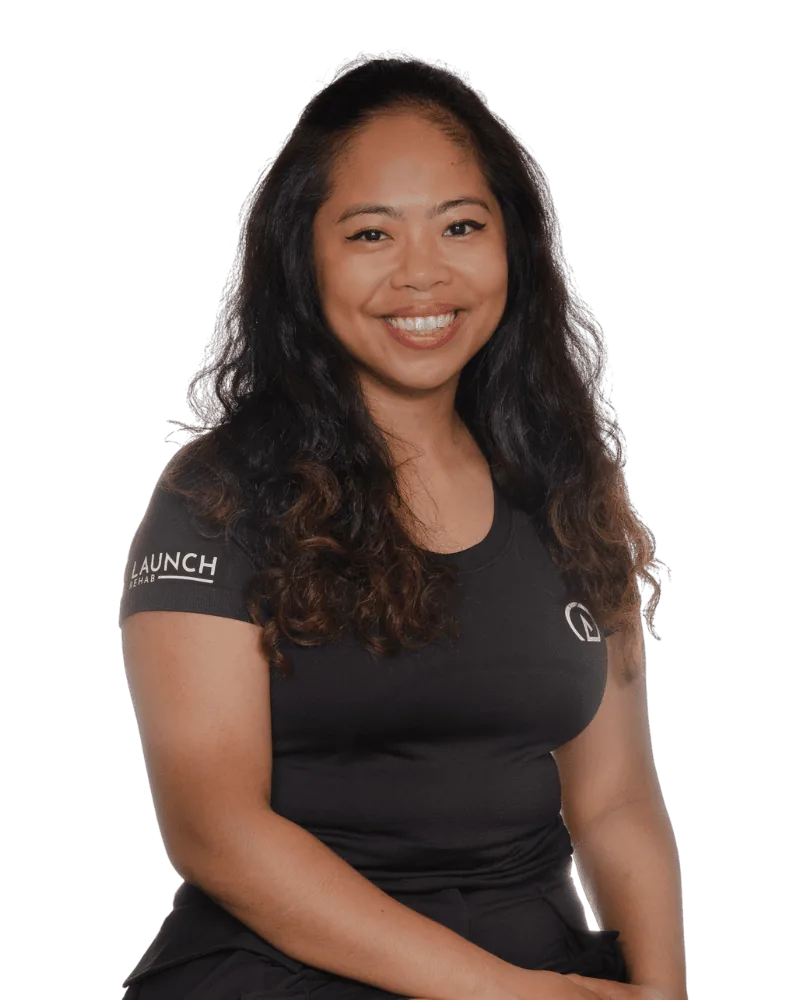
Aya Mae Fernandez
(SHE/HER/HERS)
New Westminster
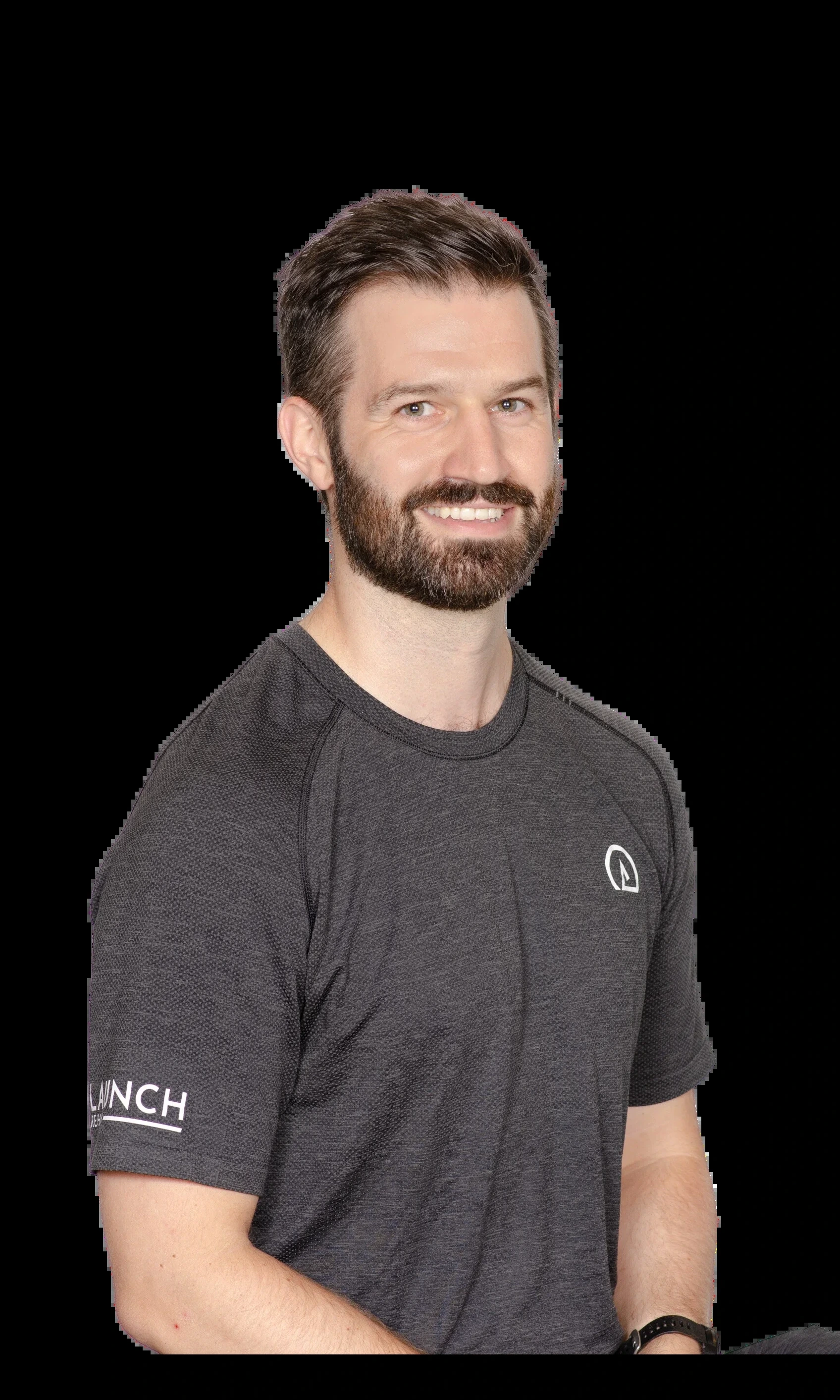
Alex Carrod
BSC, MSCPT (HE/HIM/HIS)
New Westminster
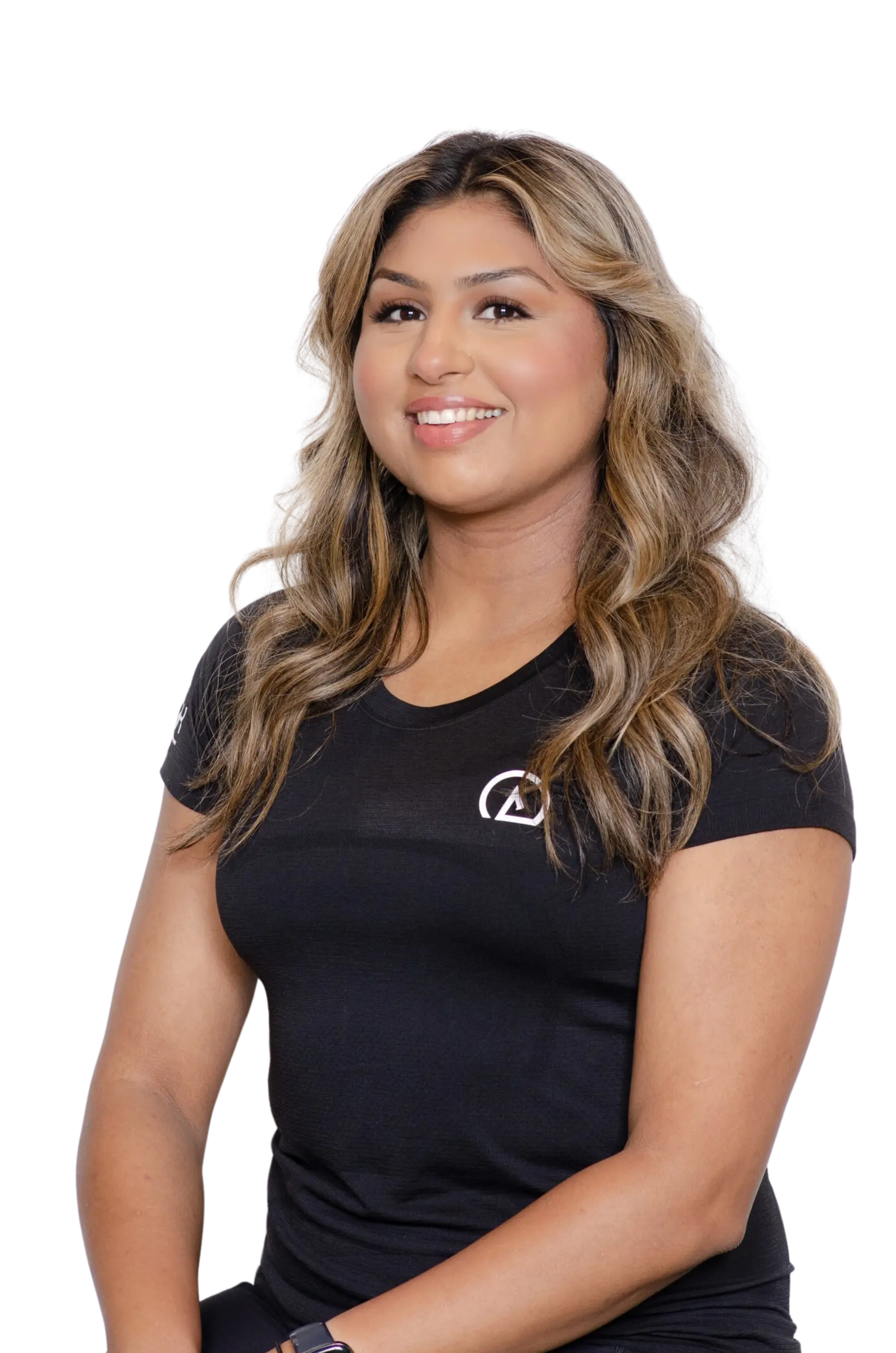
Jasleen Jaura
BSC, MSCPT (SHE/HER/HERS)
New Westminster
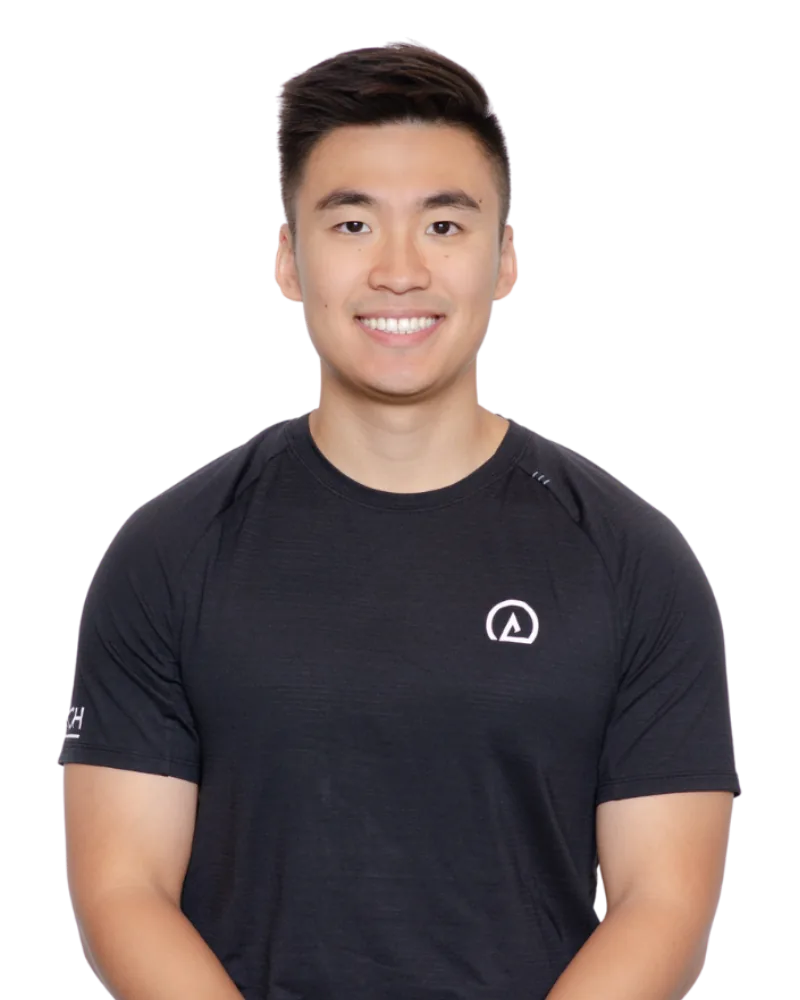
Herman Chu
RMT (HE/HIM/HIS)
Lougheed · North Burnaby
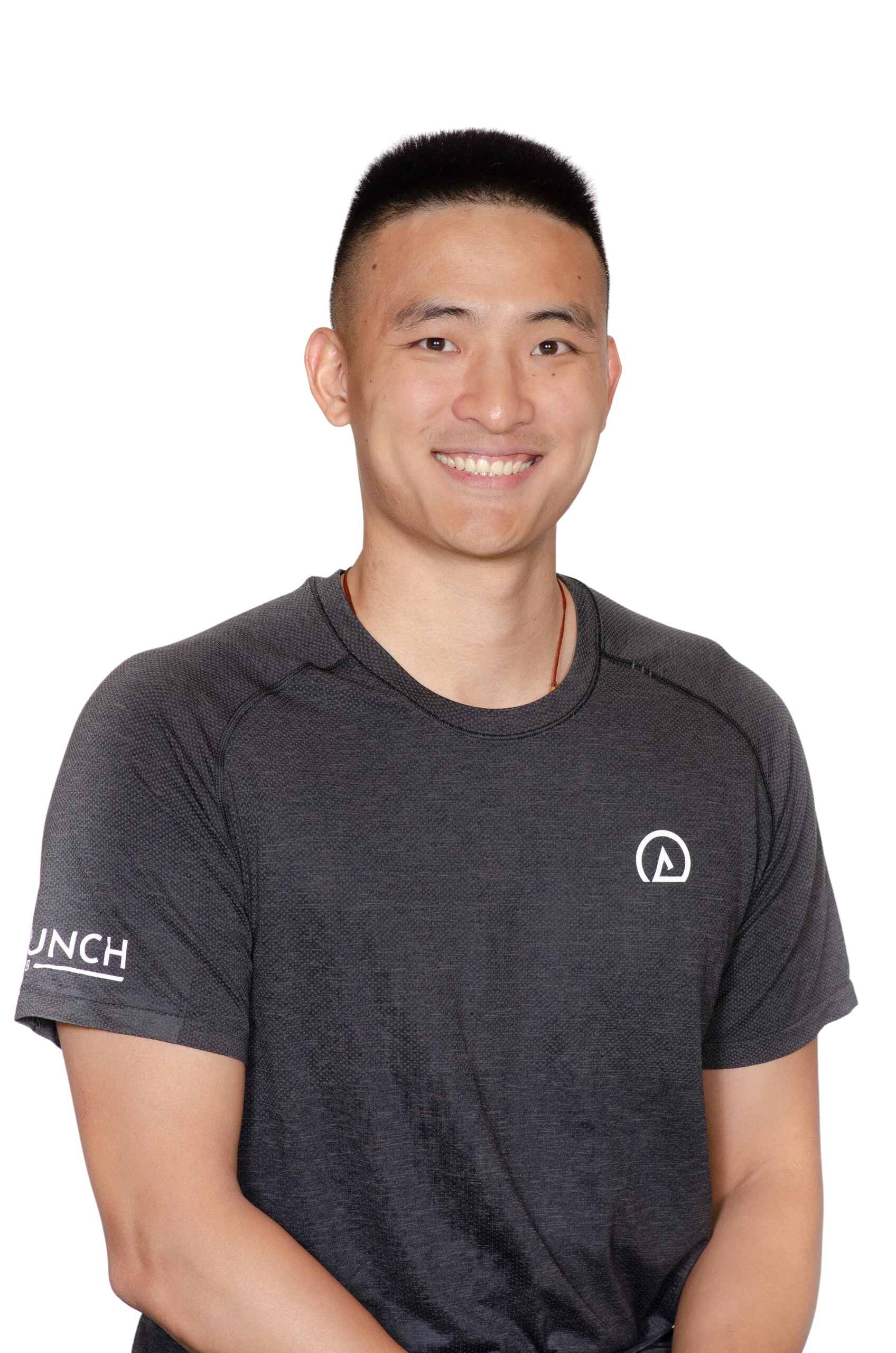
Edward Lu
BKIN, DC, RMT (HE/HIM/HIS)
North Burnaby
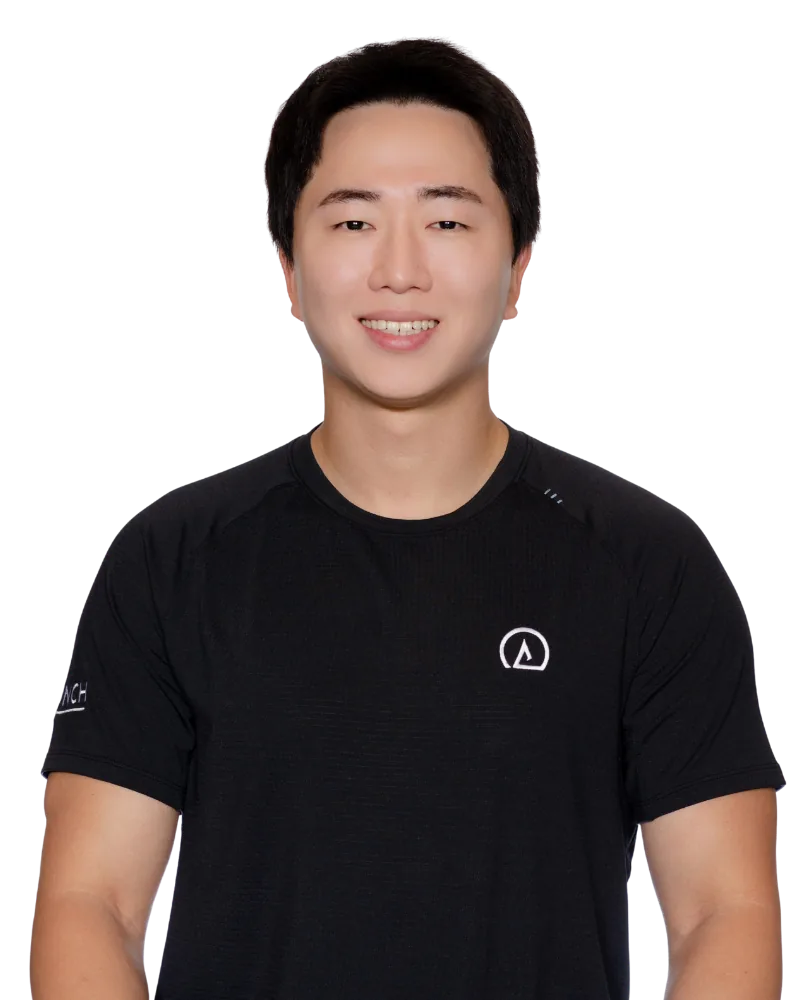
Wonseok Oh
RMT (HE/HIM/HIS)
Lougheed
KIND WORDS
What our clients say.

"After seeing different physiotherapists and chiropractors for over 10 years, I can confidently say Byron is one of the best physiotherapists I’ve worked with. From my very first appointment, he established that the goal wasn’t just to treat my pain temporarily, but to build a strong foundation so my back could heal properly for the long term. He took the time to thoroughly assess my condition and explained everything in a way that was easy to understand. For the first time, I truly understood why I was experiencing my symptoms and what the recovery process would look like. What really sets Byron apart is how thoughtful and patient he is. He always explains the purpose behind every exercise and how each one fits into my recovery plan. If an exercise feels too difficult or aggravates my symptoms, he genuinely listens to my feedback and quickly modifies the exercises so I can continue progressing safely. I never feel like my concerns are dismissed, and I always leave each session feeling informed, heard, and supported. After just one month of following his treatment plan, I’ve noticed a significant improvement in my back pain, strength, and confidence with movement. Although recovery will still take time, it’s been incredibly encouraging to regain a sense of control and independence in my daily life. It’s reassuring to see real progress after struggling with recurring back issues for so many years. Another thing I really appreciate is the teamwork at the clinic. If I’m unable to see Byron for one of my appointments, he collaborates closely with the another physiotherapist (Harleen) and thoroughly communicates my condition, treatment progress, and goals. Because of this, I never feel like I’m starting over with someone new. It’s reassuring to know I’ll receive the same high quality of care regardless of who I see. Overall, I’ve had a positive experience at Launch Rehab. If you’re looking for a physiotherapist who takes the time to educate you, creates a personalized recovery plan, and genuinely invests in your recovery, I highly recommend Byron. The quality of care I’ve received has been exceptional, and I’m incredibly grateful for his help."
JOEY CHU · LOUGHEED
FIVE STUDIOS · METRO VANCOUVER
OUR LOCATIONS

EST. 2025
LAUNCH REHAB LOUGHEED
Located next to LifeLabs in the City of Lougheed.

EST. 2024
LAUNCH REHAB COQUITLAM
On the second floor of the Evergreen building at Pinetree Way and Glen Dr.

EST. 2023
LAUNCH REHAB RICHMOND
Northeast corner of Williams Rd and No. 3 Rd in Broadmoor.

EST. 2021
LAUNCH REHAB NEW WESTMINSTER
Second floor of the Shops at New West, inside the Skytrain Station.
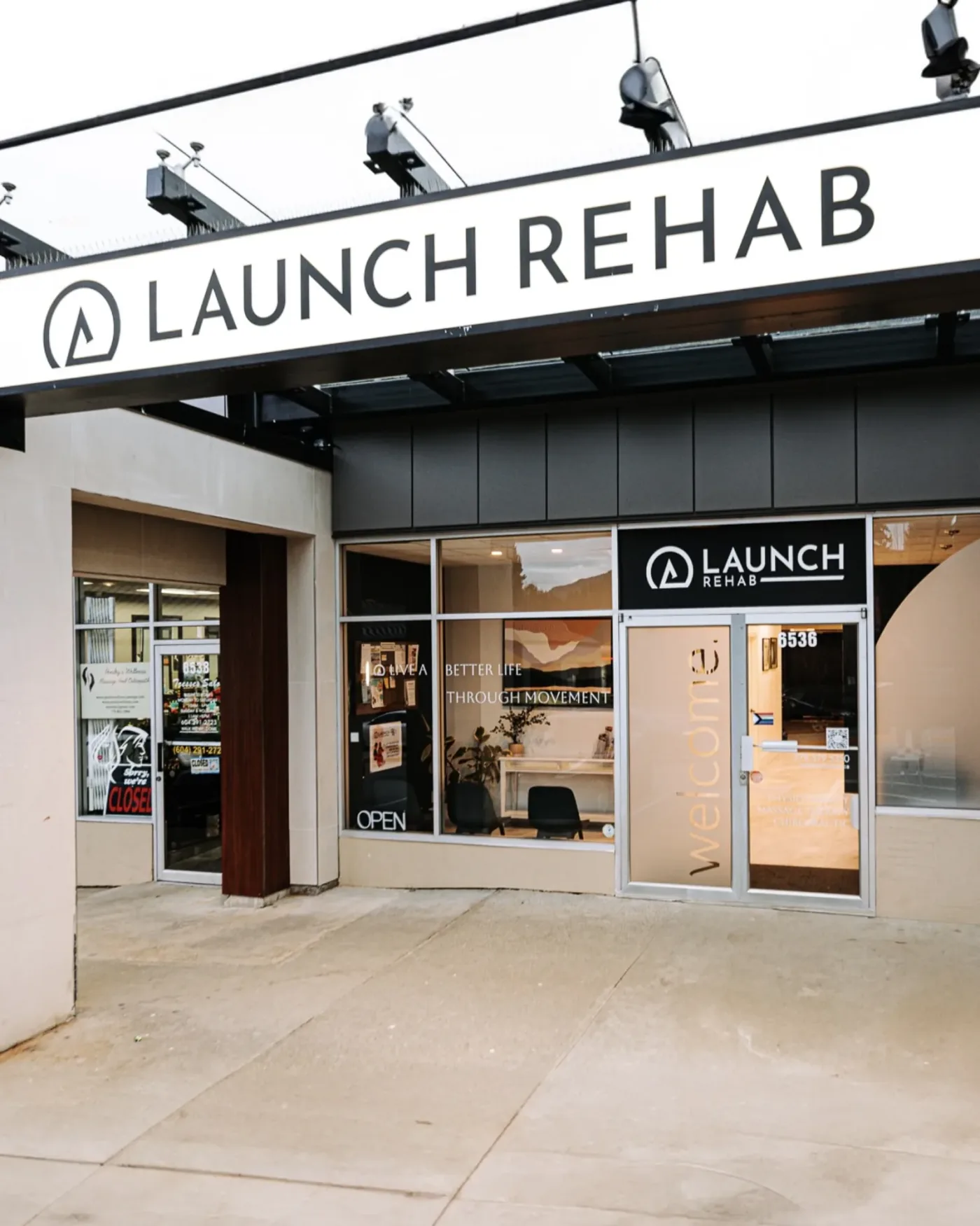
EST. 2015
LAUNCH REHAB NORTH BURNABY
Kensington Square Shopping Centre at Kensington Ave and Hastings St.
FAQ
Frequently asked questions.
Coverage depends on which therapist you see. Physiotherapy, massage therapy and chiropractic each have their own extended-health coverage, and most plans include them. MSP covers physiotherapy for eligible clients (limited visits), ICBC covers TMJ care after a motor-vehicle crash, and WorkSafeBC covers work-related injuries. Our client care coordinators bill ICBC, WorkSafeBC and most extended-health insurers directly.