
BIKE FITTING
Bike fitting for knee, back and saddle pain, in New Westminster.
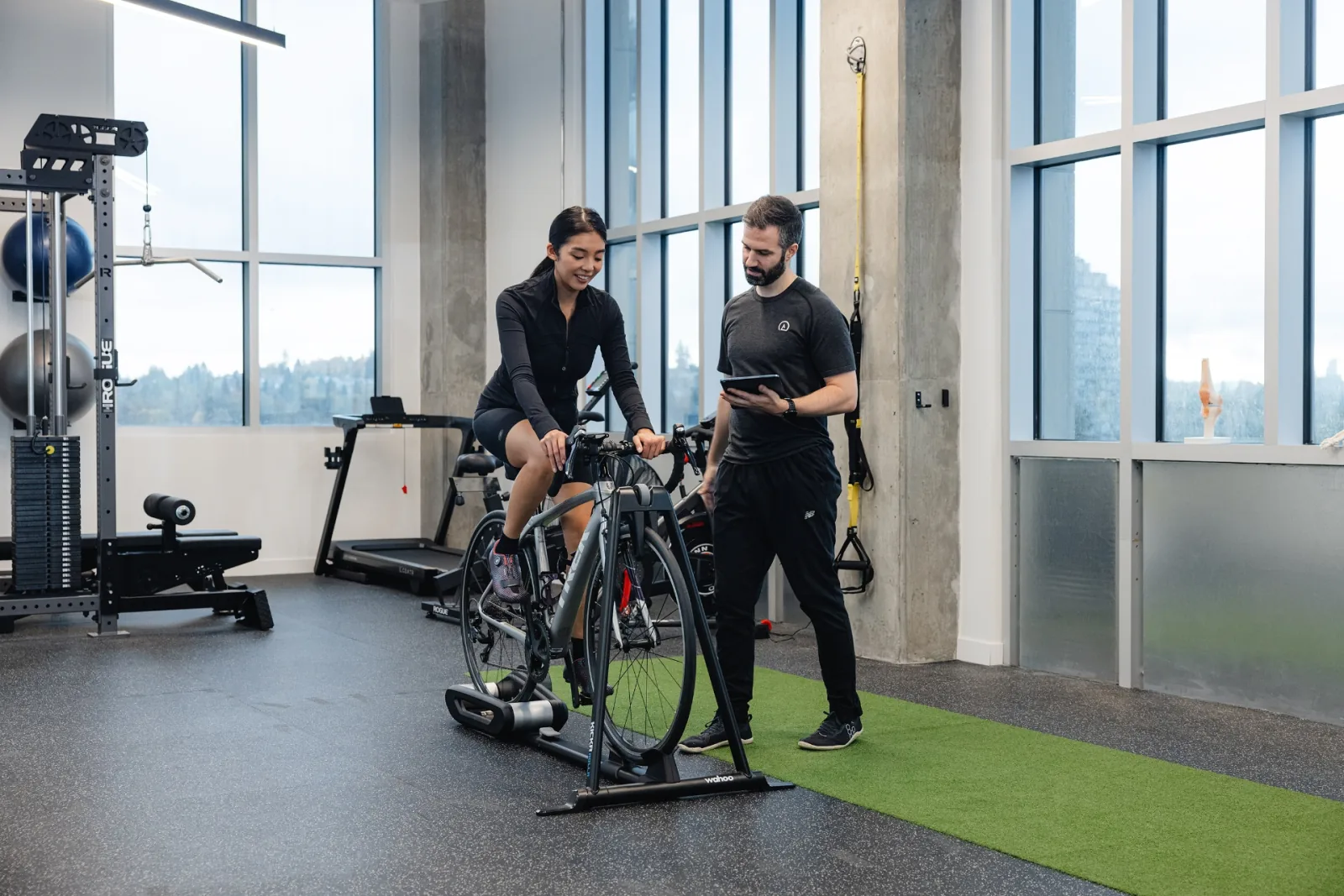
A physiotherapist assesses your body first, then adjusts the bike to match it. Road, gravel, TT, mountain, commuter and e-bike. By appointment at our New Westminster studio.
OVERVIEW
What is a physiotherapy bike fit?
A bike fit at Launch Rehab is a physiotherapy assessment that happens to end with a bike being adjusted. It starts with you, not the frame. We test how far your hips, knees, ankles and low back actually move, how well you hold a position under load, and what your injury history has left behind. The right riding position is the one your body can hold for the length of your rides, not the one that looks fast in a photo.
From there the bike goes on a stationary trainer and you pedal. We film from the side and from the front, then change one thing at a time: cleat position, saddle height, saddle fore and aft, saddle tilt, reach, bar height and hand position. After every change you ride again and we re-film, so you can see the difference rather than take our word for it.
Most people book because something hurts. Knee pain at the front or the outside. A low back that aches after an hour. Numb hands. A sore neck. Pain or numbness at the saddle. A hot, burning foot. Some book because they have a new bike, a new event, or a body that has changed since the last fit. All of those are good reasons.
Bike fitting runs out of our New Westminster studio, by appointment. Your fit is delivered by a physiotherapist registered with the College of Health and Care Professionals of BC (CHCPBC), which means the person changing your saddle height is also qualified to assess the knee that hurts when you ride.
This page is general information, not personal medical advice or a diagnosis. A regulated practitioner can confirm what applies to your specific situation.
BENEFITS
What this work is for.
- Settle knee, hip, low back and neck pain that shows up on the bike
- Fix numb hands, sore wrists and pins and needles in the fingers
- Deal with saddle pain, saddle sores and numbness at the sit bones
- Take the pressure off a burning or numb forefoot
- Get more power to the pedals without forcing a position you cannot hold
- Set up a new bike properly on day one instead of guessing
- Adjust position for a new event, a longer distance or a new discipline
- Leave with every measurement written down so any shop can copy it
CONDITIONS WE TREAT
What we help with.
- Knee pain at the front of the knee (patellofemoral)
- Pain on the outside of the knee (IT band)
- Pain below the kneecap (patellar tendinopathy)
- Low back pain and stiffness on longer rides
- Deep hip pain and pinching at the front of the hip
- Pain on the outside of the hip (gluteal tendinopathy)
- Hip flexor tightness and cramping
- Neck and upper back pain from bar height and reach
- Shoulder pain from weight on the bars
- Numb hands and pins and needles in the fingers
- Saddle pain, saddle sores and numbness
- Hot foot, burning or numb toes
- Achilles pain and calf tightness when pedalling
- Coming back to riding after a knee or hip surgery
- Setting up a new road, gravel, TT, mountain or e-bike
- Cycling injuries that keep coming back
WHAT TO EXPECT
Your session, step by step.
Off-bike assessment
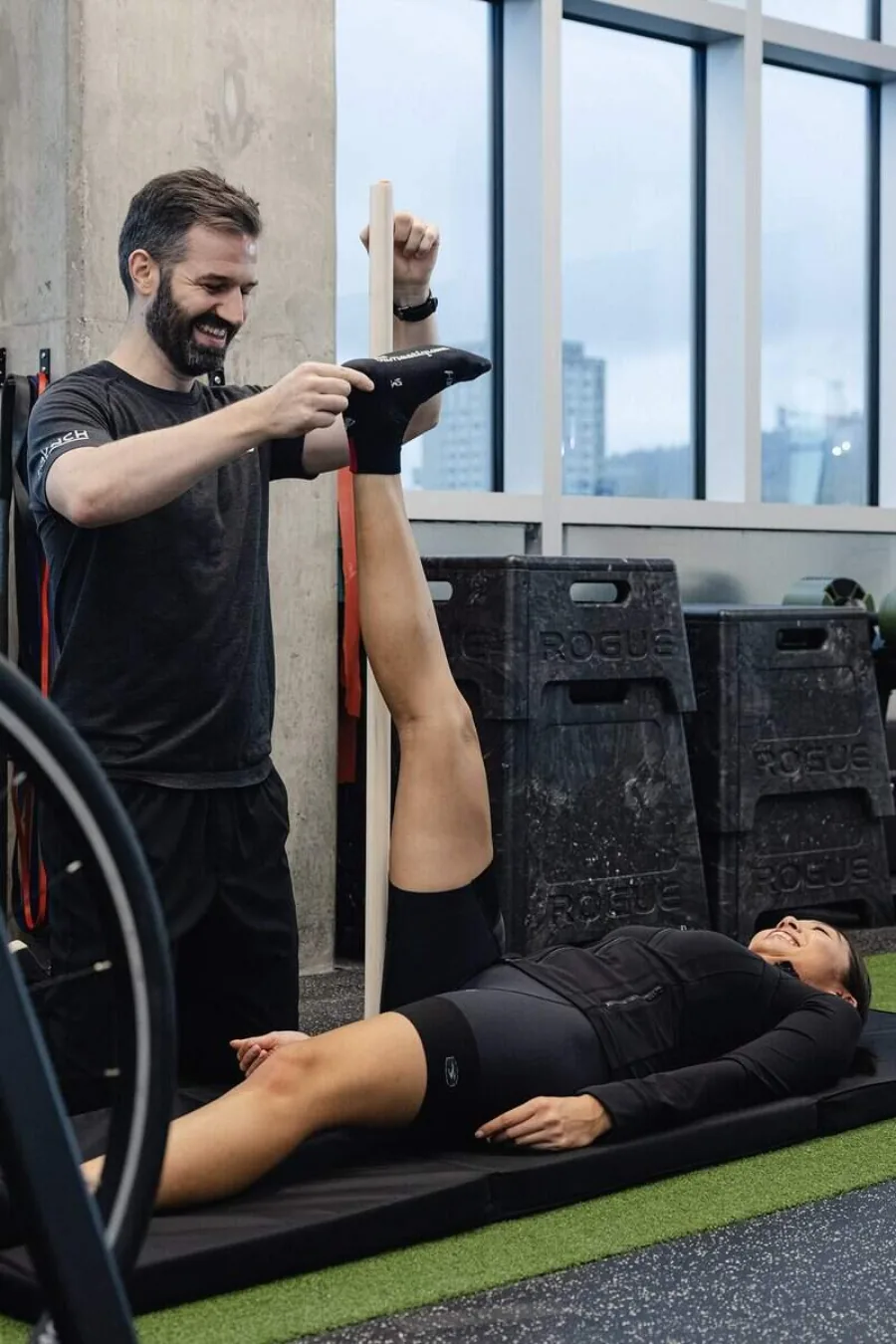
Hip rotation, ankle range, hamstring and quadriceps length, single-leg control, low back and trunk control, plus your injury history. This is the part a shop fit does not do, and it sets the limits the position has to respect.
On-bike video
Your bike goes on a stationary trainer and you pedal at a realistic effort while we film from the side and the front. We take baseline numbers first so every change can be measured against where you started.
One change at a time
Cleats, then saddle height, then saddle fore and aft, then reach and bar height. Each change is ridden and re-filmed before the next one, so you can see what it did and we can undo anything that did not help.
Numbers you keep
You leave with every final measurement written down, plus a short mobility or strength program for whatever the assessment found. Any bike shop can copy those numbers onto your next bike.
Off-bike assessment
Hip rotation, ankle range, hamstring and quadriceps length, single-leg control, low back and trunk control, plus your injury history. This is the part a shop fit does not do, and it sets the limits the position has to respect.
On-bike video
Your bike goes on a stationary trainer and you pedal at a realistic effort while we film from the side and the front. We take baseline numbers first so every change can be measured against where you started.
One change at a time
Cleats, then saddle height, then saddle fore and aft, then reach and bar height. Each change is ridden and re-filmed before the next one, so you can see what it did and we can undo anything that did not help.
Numbers you keep
You leave with every final measurement written down, plus a short mobility or strength program for whatever the assessment found. Any bike shop can copy those numbers onto your next bike.
WHERE BIKE FITTING HAPPENS
Bike fitting runs from our New Westminster studio.
Bike fitting is a New Westminster service, by appointment. It is not a service we run at every studio, because it needs the trainer setup, the filming space and a physiotherapist who rides and fits. That is here.
The studio is inside Shops at New West, above New Westminster SkyTrain station, which makes it one of the easier places in the region to reach with a bike. There is elevator access from the platform, and TransLink allows non-folding bikes on SkyTrain outside peak hours. If you are driving in from Burnaby, Coquitlam, Surrey or Richmond, Carnarvon Street parking and the mall parkade are both a short walk away.
If you are not sure whether you need a fit, a physiotherapy assessment, or both, send us a message or call the studio and describe what happens on the bike. We will tell you which appointment to book, including when the answer is neither.
- Fits led by a physiotherapist registered with the College of Health and Care Professionals of BC
- Stationary trainer and multi-angle video in a dedicated space
- Road, gravel, time trial, mountain, commuter and e-bike setups
- Full gym floor on site, so any strength work the fit uncovers starts the same day
- Follow-up physiotherapy in the same studio if the assessment finds something to treat
LAUNCH REHAB NEW WESTMINSTER
- Address
- 219-800 Carnarvon St, New Westminster, BC V3M 0G3
- Getting here
- Inside Shops at New West, above New Westminster SkyTrain station
- Hours
- Monday to Friday 7am to 8pm, Saturday and Sunday 9am to 5pm
- Booking
- By appointment. Initial fit 90 minutes, follow-up 60 minutes
Call the studio
604-519-0777Email the studio
newwest@launchrehab.caBike fitting is by appointment only and books out during the spring and summer riding season. Enquire early if you have an event coming up.
UNDERSTANDING BIKE FITTING
A plain-language guide to bike fitting and cycling pain.
WHY IT MATTERS
Why a bike fit changes anything at all
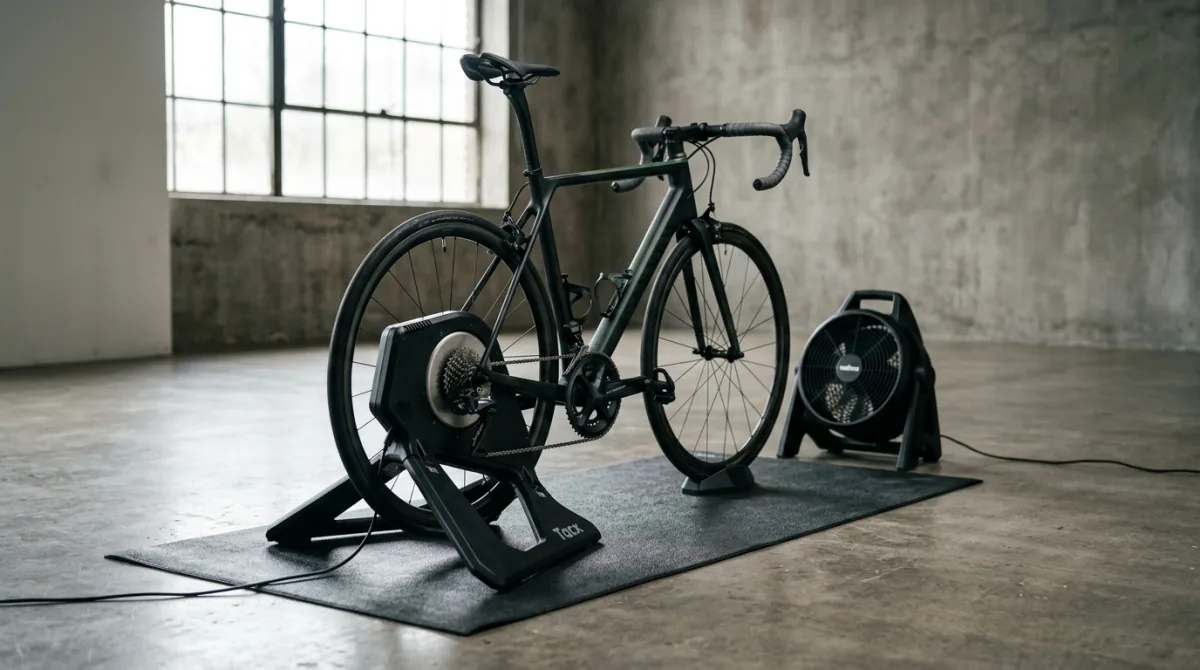
A rider at 85 revolutions per minute turns the pedals about 5,100 times an hour. A small error in position is not small by the end of a ride, because it is repeated thousands of times against the same joint, the same tendon and the same patch of skin. That is why cycling pain builds slowly and then seems to arrive all at once.
The bike is also the one sport where your position is fixed. A runner can shorten a stride, drift wider, change shoes. On a bike your feet are clipped in, your hands are on the bars and your seat is not moving. If the position asks for more hip range than you have, your body will find that range somewhere else, usually the low back or the knee.
That is the whole point of a fit. Not to make you look like a professional, but to close the gap between what the position demands and what your body can give, on both sides: change the bike where the bike is wrong, and build the range or strength where your body is short.
Repetition, not force
Cycling injuries almost never come from one hard effort. They come from a small fault repeated for hours, which is why they respond so well to a position change.
The position is fixed
You cannot subtly change your stride on a bike. Whatever the setup asks of your hips, knees and back, it asks every single pedal stroke.
Your body sets the ceiling
A position is only correct if you can hold it for the length of your longest ride. A fit that only works for the first 20 minutes is not a fit.
Comfort and power move together
Riders often expect to trade one for the other. In practice, a position you can hold without shifting around is usually the one you also push hardest in.
WHO DOES WHAT
Physiotherapy bike fit or bike shop fit?
Both are real services and both have a place. The difference is the starting point. A shop fit starts at the bike and works outward. A physiotherapy fit starts at your body and works inward. If nothing hurts and you just bought a bike, a good shop fit may be all you need. If something hurts, or has hurt before, the assessment has to come first.
Here is the honest split, so you can pick the right one and not pay twice.
A bike shop fit
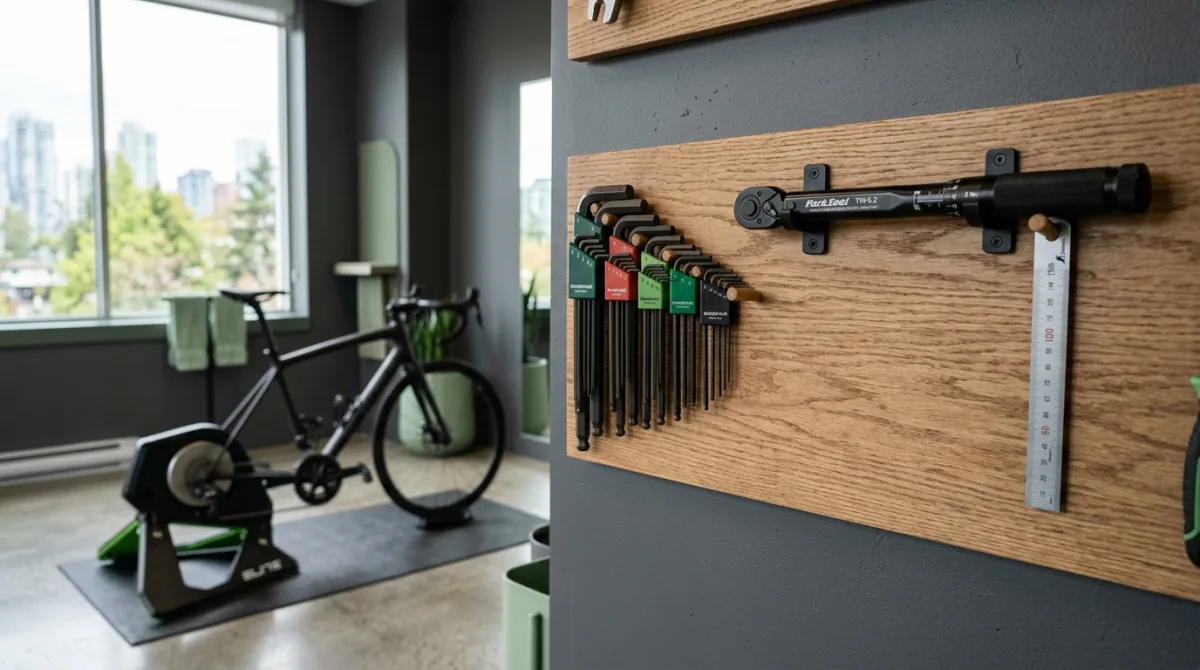
Sets a sensible position from measurements and experience, and can swap stems, bars and saddles on the spot. Strong on the hardware. It does not assess your joints, and it cannot treat an injury.
A physiotherapy bike fit
Assesses hip, knee, ankle, low back and trunk first, takes an injury history, then sets the position around what your body can actually hold. It can also treat the problem it finds.
The case for physiotherapy
Book this one when you have pain on the bike, a past injury on one side, a hip or knee that has been operated on, or a fit you already paid for that did not solve the problem.
When the answer is not the bike
Sometimes the position is fine and the tissue simply is not strong enough for the hours being asked of it. A physiotherapist can tell you that, and can build the plan that fixes it.
We will not pretend a position change fixes everything. If your assessment points at load, strength or a tendon problem rather than the setup, we will say so plainly and tell you what the actual plan looks like.
KNEE PAIN
Knee pain on the bike and what usually drives it
The knee is the joint that complains first, because it sits between the two things a fit controls most directly: the saddle and the foot. Where the pain sits on the knee is a useful clue, though it is a starting point for the assessment rather than a diagnosis you can make from a website.
Pain at the front, around the kneecap
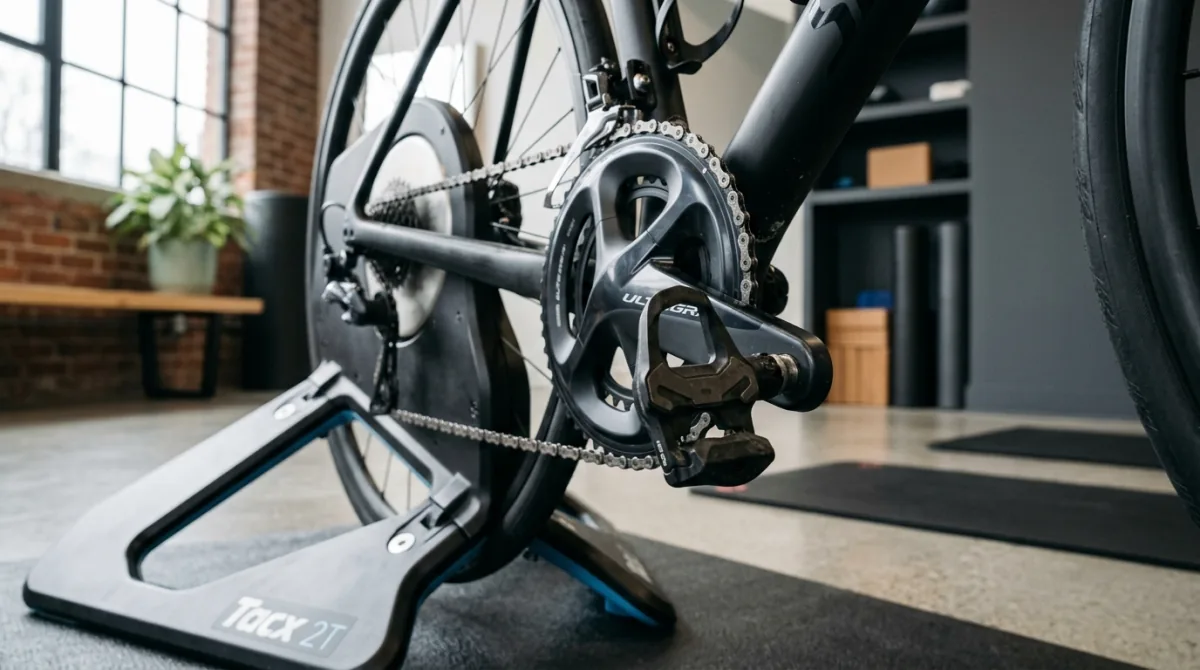
Often linked to a saddle that is too low, too far forward, or a gear that is too heavy at too low a cadence. The knee is being asked to bend deep and push hard at the same time.
Pain at the back of the knee
Often the opposite problem. A saddle that is too high or too far back makes the leg reach at the bottom of the stroke and pulls on the hamstring and calf attachments.
Pain on the outside of the knee
Commonly involves the iliotibial band. Cleat rotation, saddle height and how much the knee tracks inward under load all feed into it.
Pain on the inside of the knee
Frequently a cleat and stance width issue. Feet held too close together, or cleats rotated away from the natural foot angle, twist the knee slightly on every stroke.
One knee only
Nearly always worth a proper assessment. Leg length difference, an old ankle or hip injury, or a saddle sitting slightly off centre can all load one side more than the other.
Knee pain that came on suddenly, involves swelling or locking, or follows a crash needs assessing before you change anything on the bike. Book a physiotherapy assessment rather than a fit if that is your situation.
BACK, NECK AND SHOULDERS
Low back, neck and shoulder pain from your position
Riders usually blame the bars for neck and shoulder pain and the saddle for back pain. Both are half right. The reach and the drop set how much work the upper body does, but the hips decide how much of it lands on the low back.
When your hips cannot rotate forward far enough to reach the bars, your low back does the rotating instead and holds that flexed position for the whole ride. Change the hip and the back usually settles. Change only the bars and the back often does not.
Low back ache after 45 to 60 minutes
A common sign that the reach is longer or lower than your hips allow. It typically eases when the bars come up, the saddle comes forward, or hip and hamstring range improves.
Neck pain and headaches on long rides
Usually about drop, reach and how much you have to lift your head to see the road. Small changes in bar height and stem length make a large difference here.
Aching between the shoulder blades
Often too much weight going through the hands because the saddle tilt or fore and aft position is pushing you forward onto the bars.
Shoulders that fatigue before the legs
Points at a reach you are bracing against rather than resting on. Bar width and lever position matter as much as stem length.
HANDS AND WRISTS
Numb hands, pins and needles, and sore wrists
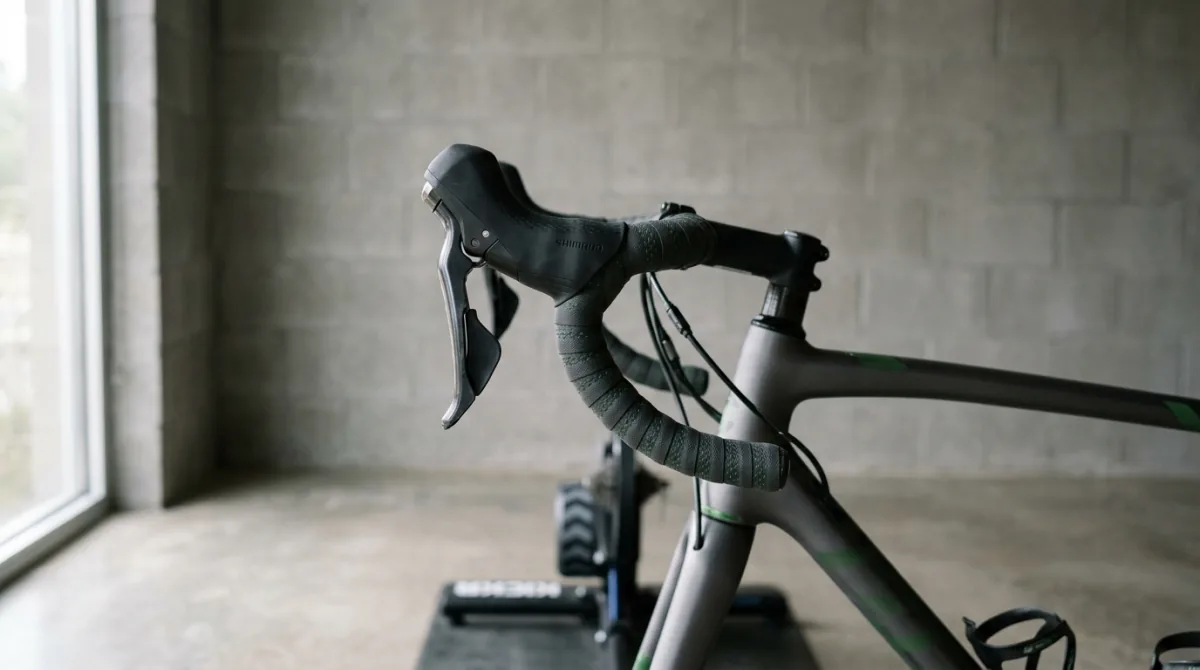
Hand numbness is one of the most common complaints we hear, and one of the most fixable. Two nerves run through the hand in places that a handlebar presses on. Pressure on the outside of the palm affects the little and ring fingers. Pressure through the middle of the palm affects the thumb, index and middle fingers. Which fingers go numb tells us where the pressure is landing.
Almost all of it comes down to how much body weight is going through the hands and for how long without a break.
Little and ring fingers
Pressure on the outer edge of the palm. Bar tape, glove padding, lever position and wrist angle are the usual levers.
Thumb, index and middle fingers
Pressure through the middle of the palm, often with a bent-back wrist. Changing the bar rotation and lever height usually takes it off.
Too much weight on the hands
Saddle tilted nose-down, saddle too far forward, or a reach that is too long all slide you onto the bars. The hands are carrying what the hips should.
Never changing position
Even a good setup needs variety. Moving between hoods, drops and tops every 15 to 20 minutes lets the pressure points recover.
Numbness that does not clear within a short time after you get off the bike, or that you also notice at night or at a desk, should be assessed by a clinician rather than treated as a fit problem.
SADDLE
Saddle pain, saddle sores and numbness
Saddle discomfort is the problem riders are most likely to put up with quietly, and the one most likely to end a ride early. It is rarely about how soft the saddle is. It is about where your weight is landing and how long it stays in one spot.
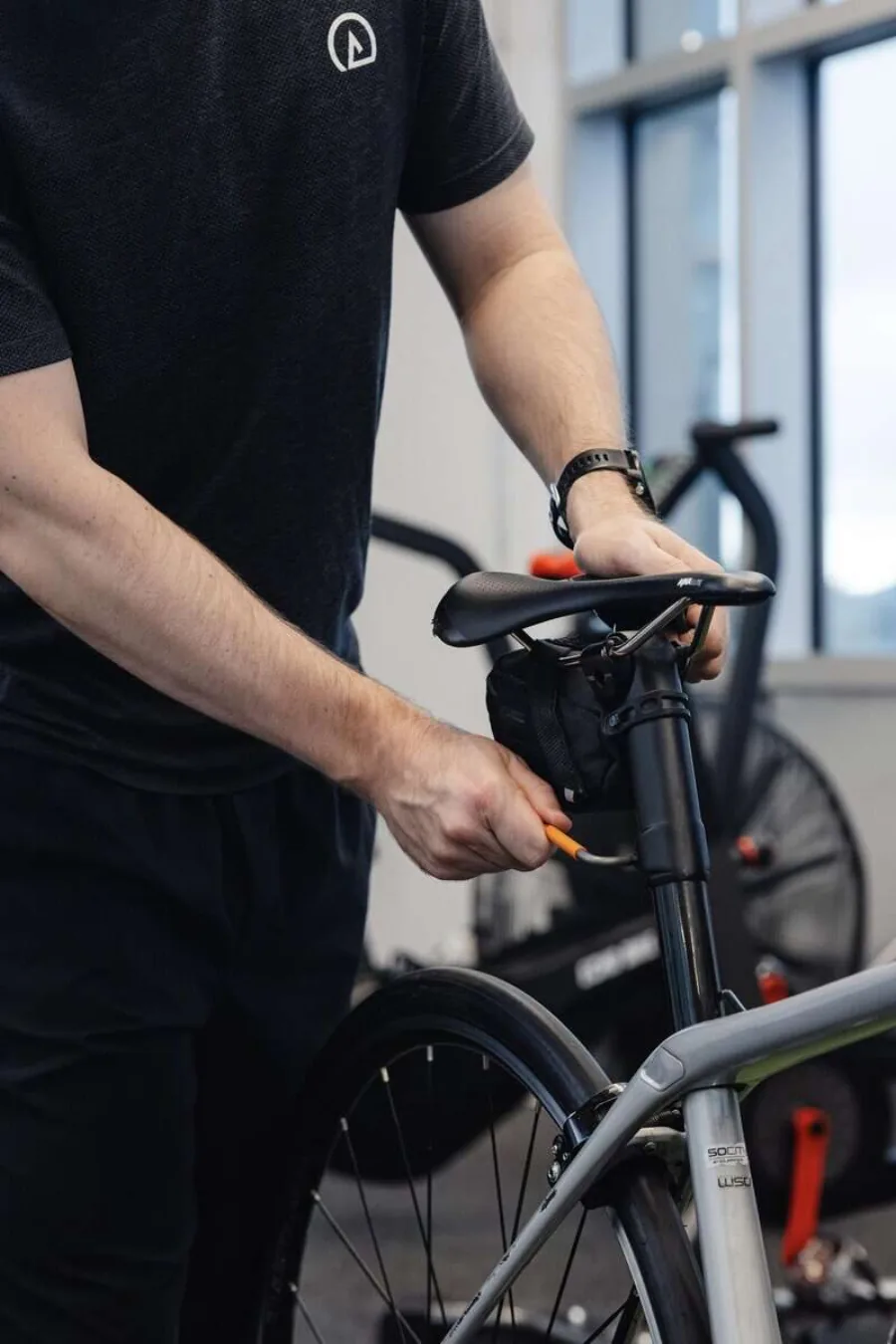
Your weight should sit on the two sit bones at the base of the pelvis, which are built to carry load. When the saddle is too high, tilted wrong, or the reach is too long, weight rolls forward onto soft tissue that is not built for it. That is when numbness and soreness start.
Saddle height and rocking
A saddle set too high makes the hips rock side to side to reach the bottom of the stroke, which rubs. This is a frequent cause of one-sided saddle sores.
Saddle tilt
A nose-down saddle slides you forward and loads the hands. A nose-up saddle presses into soft tissue. Small changes in tilt do a lot.
Saddle width and shape
The saddle needs to support your sit bones, which vary a lot between riders. A saddle that is too narrow or too wide for you will not become comfortable with more time on it.
Numbness at the saddle
Take this seriously rather than riding through it. It means pressure on nerves and blood vessels, and it is a signal to change the setup, not to toughen up.
Shorts and time in one position
Good shorts, a chamois that fits, and standing out of the saddle regularly all help. So does not sitting in one exact spot for three hours.
Persistent numbness in the groin or genital area, or a saddle sore that is hot, spreading or not settling, should be seen by a physician. That is a medical issue rather than a fit adjustment.
FEET AND CLEATS
Hot foot, numb toes and where the cleat goes
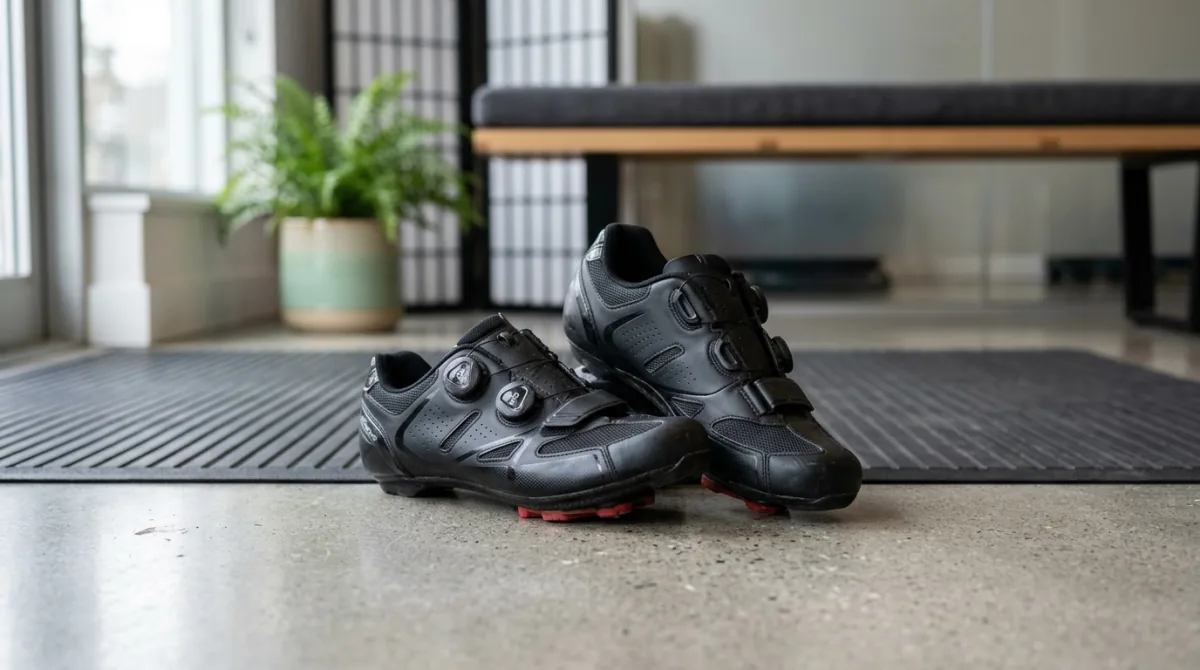
The cleat is the smallest adjustment on the bike and one of the most influential, because everything above it inherits its angle. It sets where the force goes through your foot, how much your ankle has to work, and the line your knee travels on every stroke. We set cleats first for exactly that reason.
Hot foot, the burning or numb feeling across the ball of the foot on longer rides, is usually a pressure and shoe problem rather than a nerve problem.
Cleat fore and aft
Sets how much work the calf does. A cleat too far forward increases calf load and can aggravate an Achilles that is already grumbling.
Cleat rotation
Your feet have a natural turnout, and it is often different left to right. Forcing both cleats straight puts a twist into the knee thousands of times per ride.
Stance width
How far apart your feet sit. Too narrow for your hips and the knees track inward. Pedal spacers or a different pedal axle length can fix it.
Shoes that are too small under load
Feet swell on long rides and in warm weather. A shoe that fits in the shop at rest can be too tight after two hours, which is a common cause of hot foot.
Float and freedom to move
Some riders need a pedal system that lets the foot rotate a few degrees. Locking the foot rigidly in place suits fewer people than the marketing suggests.
EVERY KIND OF BIKE
Road, gravel, TT, mountain, commuter and e-bike
The principles are the same across bikes. The priorities are not. What you are riding, for how long, and over what surface changes what the position should protect.
Bring the bike you actually ride, with the shoes and pedals you actually use. We cannot get the fit right on substitute gear, and a fit done on the wrong bike is a fit you will pay for twice.
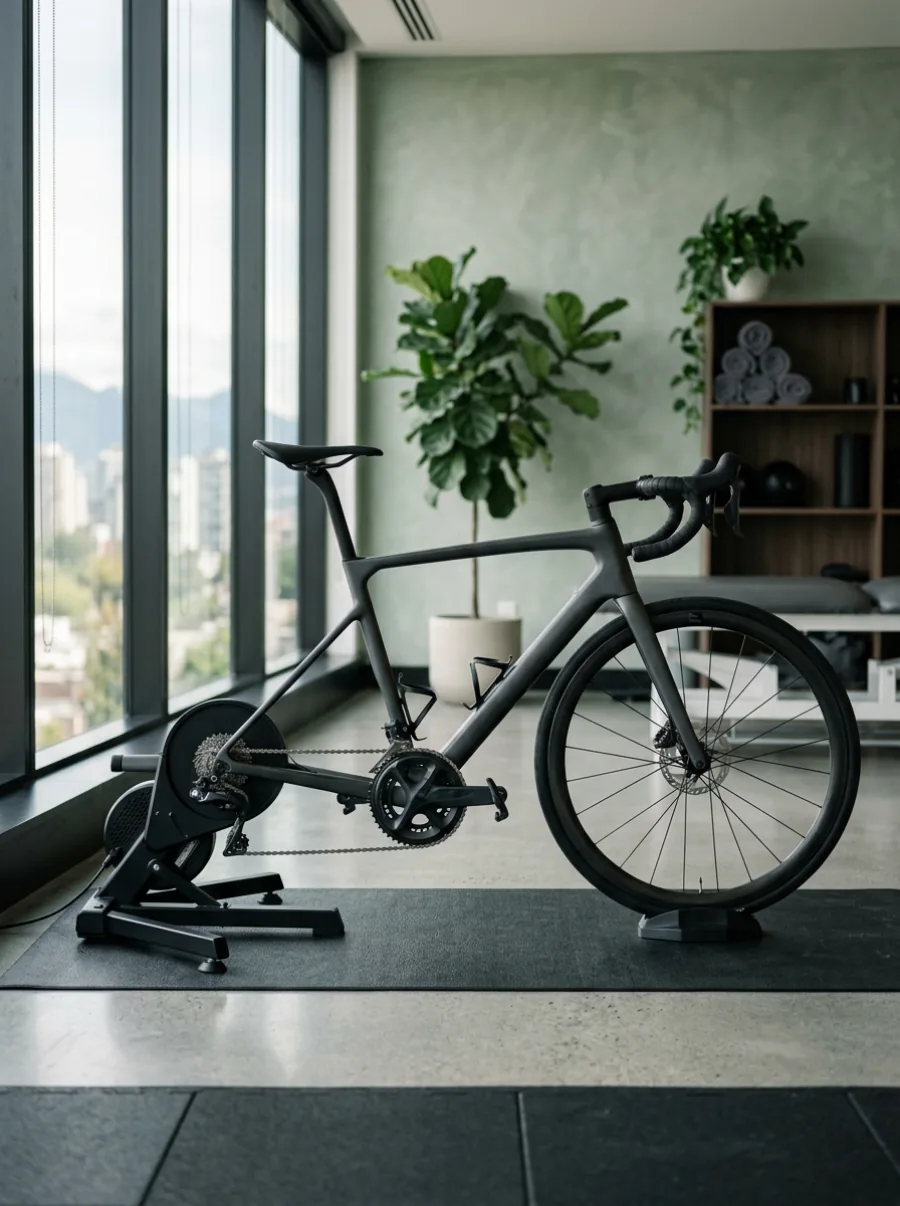
Road
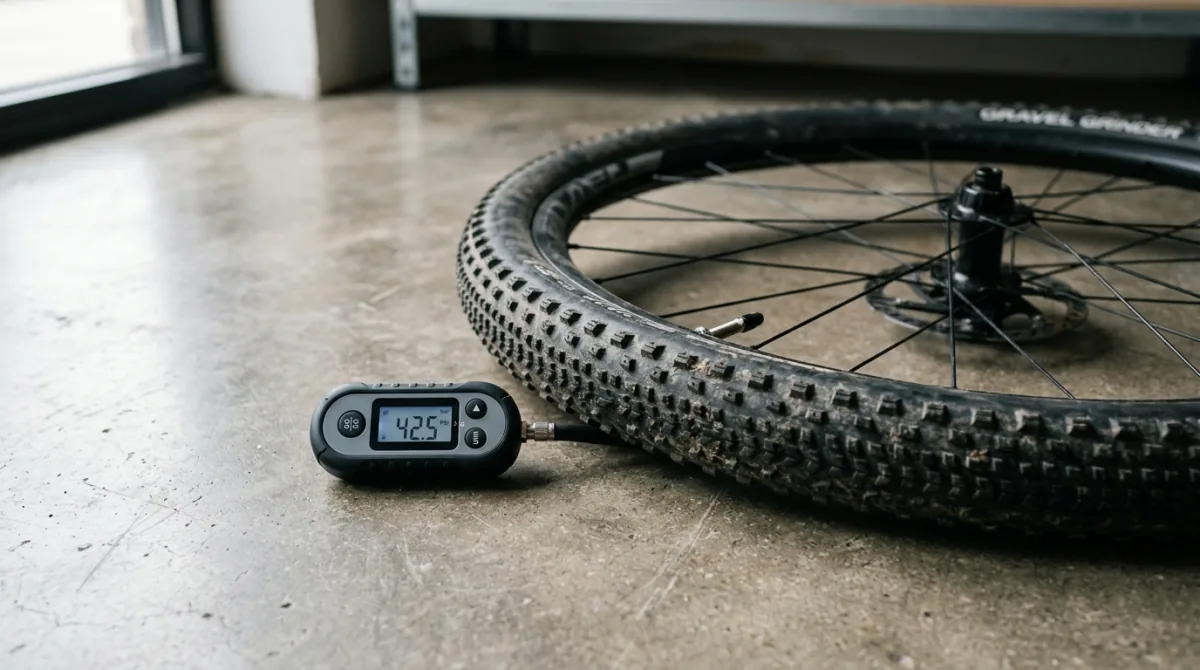
The balance between a position you can sustain for hours and one that is efficient. Most road fits we do are about giving back some hip comfort without losing power.
Gravel
Longer days, rougher surfaces, more time out of the saddle. Comfort, control and hand position matter more, and the position is usually a little more upright than the road setup.
Time trial and triathlon
The most demanding fit, because a low position has to be held for a long time and you still have to run afterwards in a triathlon. Hip range is the limiting factor for most people.
Mountain
Position changes constantly, so the fit focuses on the contact points, the seated pedalling position for climbs, and having room to move behind the saddle on descents.
Commuter and city
Shorter, more frequent rides in normal clothes. The aim is a position that is comfortable cold, without a warm-up, and lets you see traffic properly.
E-bike
Higher average speeds and often longer rides than riders expect, so the same overuse problems show up. Weight and geometry differ, and the position deserves the same attention.
IN THE SESSION
What we measure and what we change
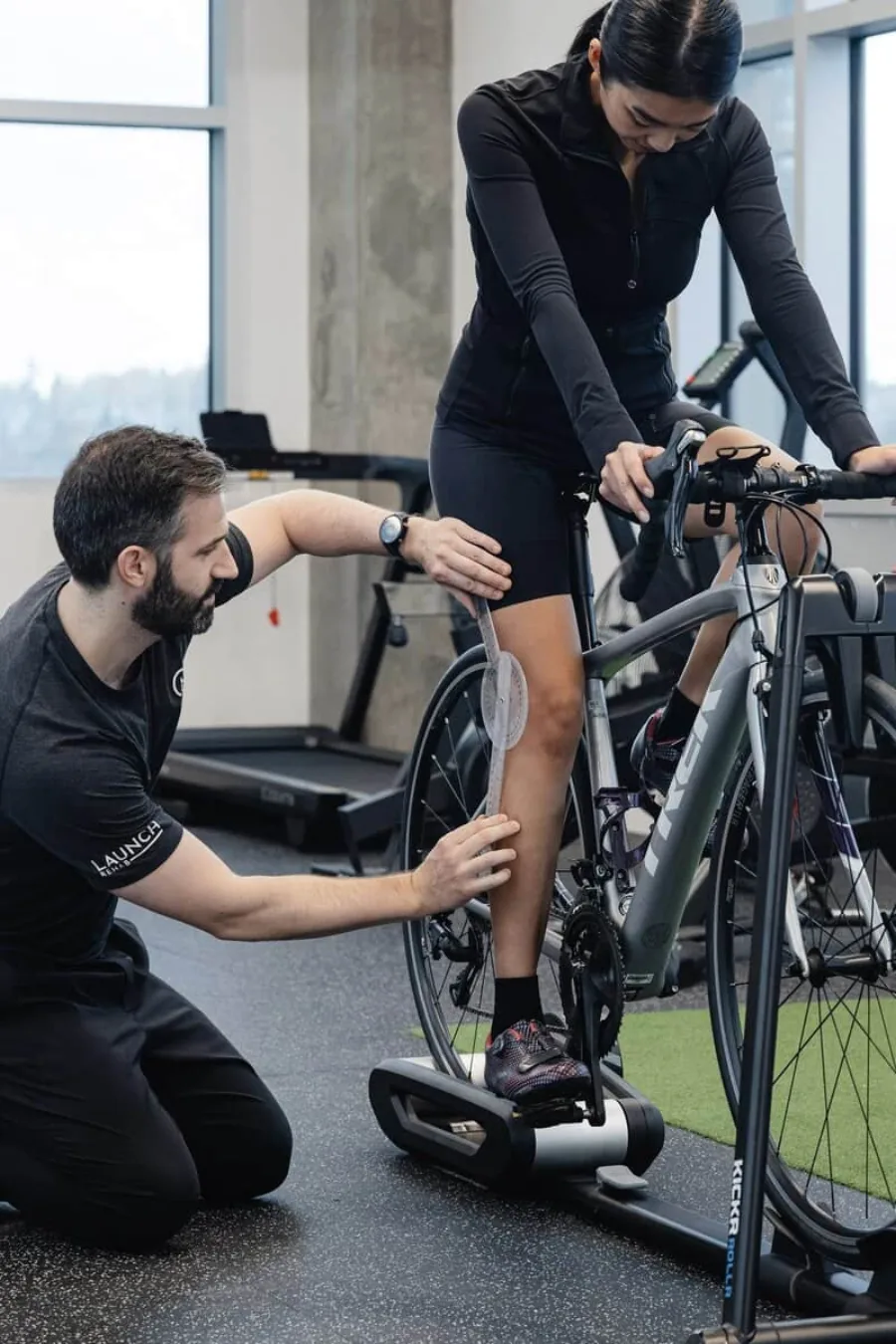
A fit is a sequence, not a checklist done in any order. Each step sets the conditions for the next, which is why we work from the foot up and never change two things at once.
1. History and goals
What hurts, when it started, what you have already tried, how far and how often you ride, and what you are training for.
2. Off-bike screen
Hip rotation and flexion, hamstring and quadriceps length, ankle range, single-leg control, low back and trunk control, and leg length.
3. Baseline on the trainer
Your current position measured and filmed from the side and the front, at an effort that matches how you actually ride.
4. Cleats and feet
Fore and aft, rotation and stance width set first, because everything above the foot depends on them.
5. Saddle
Height, fore and aft, and tilt, each ridden and re-filmed. Saddle width and shape discussed if the current one is not supporting you.
6. Reach and bars
Bar height, stem length, bar width, lever position and hand position, set once the lower body is settled.
7. Written summary
Every final number recorded, plus the mobility or strength work that closes the gap the assessment found.
Plan on 90 minutes for the initial fit. A follow-up after you have ridden the new position for a few weeks takes about 60 minutes, and it is where the small refinements happen.
BEFORE YOU COME
How to get the most out of your fit
A little preparation makes the session more accurate and saves you time. None of it is complicated.
Bring the actual bike
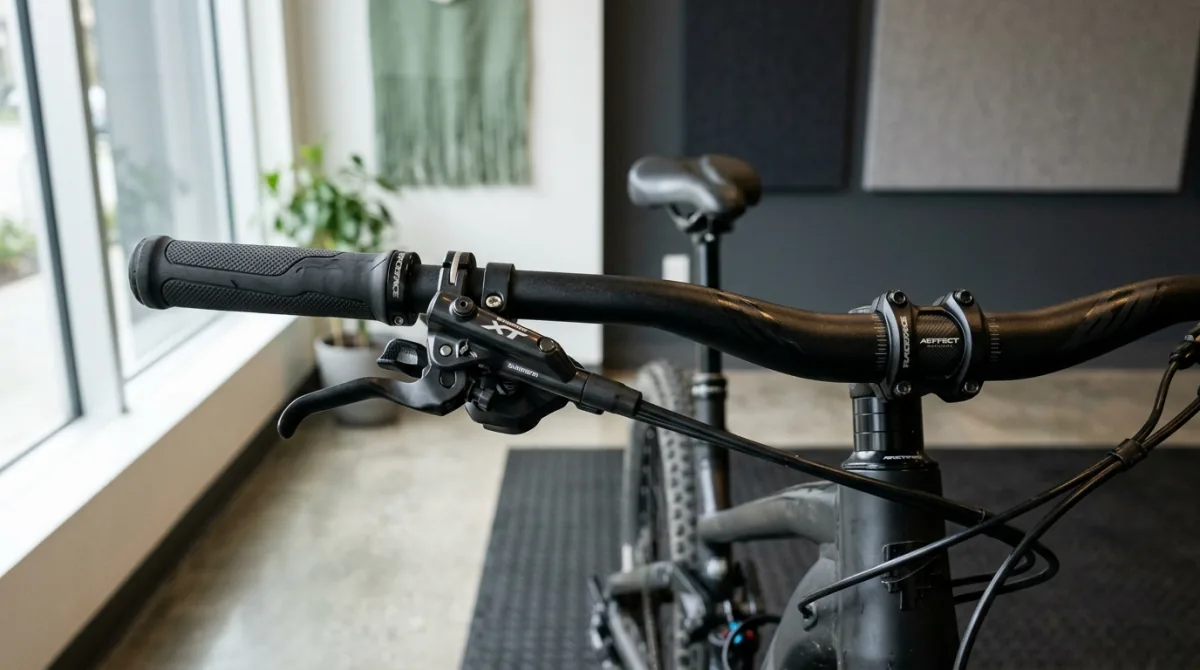
The one you ride most, or the one causing the problem. Not a spare, and not a similar model.
Bring your own shoes and pedals
Cleat position is a large part of the fit, and it cannot be set on someone else's shoes.
Wear your riding kit
Shorts and a jersey. We need to see your hips, knees and back move, and you will be pedalling for a good portion of the session.
Clean the bike, roughly
Not spotless, just not caked. We will be handling the saddle rails, cleats and bars.
Write down what hurts and when
Which side, where exactly, how far into a ride it starts, and whether it eases when you stand. This is the most useful thing you can bring.
Bring any old fit numbers
If you have had a fit before, bring the sheet. Knowing what was changed and whether it helped saves guessing.
TIMING
When to get fitted, and when to come back
There is no schedule that suits everyone. A fit is worth doing when something has changed, either on the bike or in you.
A new bike
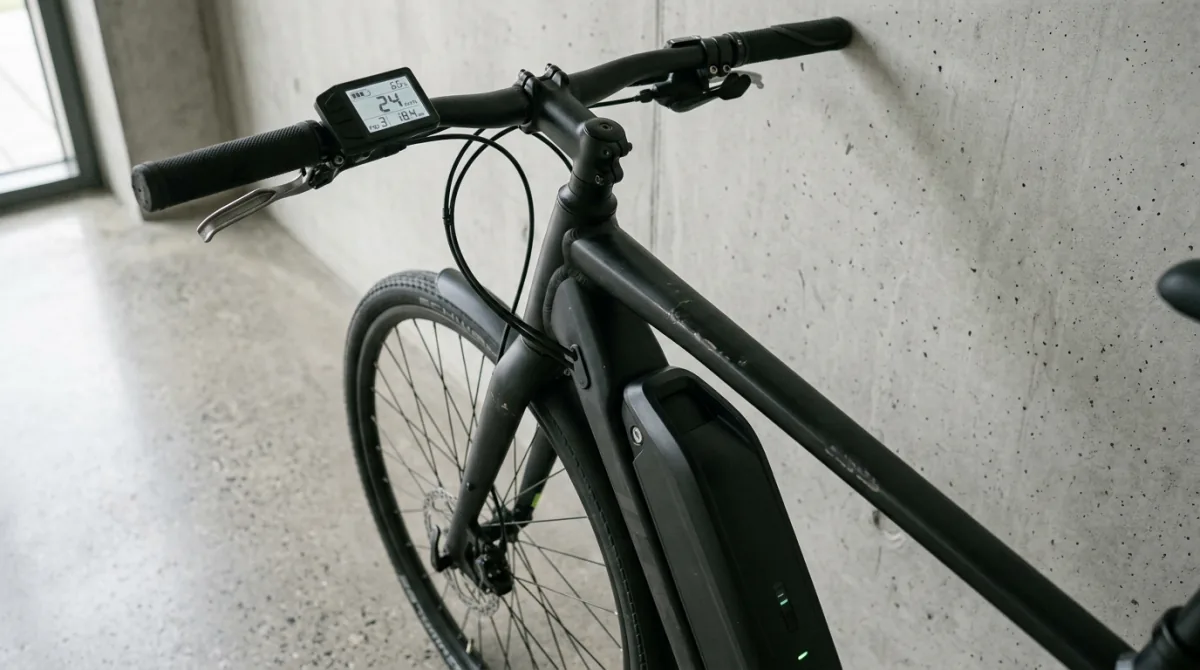
Frame geometry differs between brands and models, so numbers do not carry across directly. Get it set up before the first long ride, not after.
New shoes, pedals or saddle
Any change at a contact point changes the position above it. New shoes with a different sole thickness change effective saddle height.
Pain that will not settle
Any cycling pain that has been there more than two or three weeks and is not improving on its own.
After an injury or surgery
A knee, hip or back that has been through rehabilitation moves differently than it did. The old position may no longer suit it.
A big change in distance or discipline
Moving from an hour to four hours, or from road to gravel or triathlon, changes what the position has to tolerate.
Every two to three years otherwise
Bodies change with age, training and time off. Positions drift as parts are swapped and saddles are nudged.
COST AND COVERAGE
What a bike fit costs in BC and what covers it
Bike fitting is booked as a private assessment. Current prices are listed on our rates page and are the same at every studio that offers the service. You do not need a doctor's referral to book.
Insurance is the question we get asked most, so here is the plain answer. The bike fit itself is a private-pay session, not a physiotherapy treatment appointment. If the assessment finds a problem that needs treatment, such as a knee or a tendon that will not settle with a position change alone, that treatment is booked as a physiotherapy appointment and billed the way physiotherapy normally is.
The fit session
A private-pay assessment. See our rates page for the current initial and follow-up prices.
Extended health insurance
Most plans cover physiotherapy treatment appointments, and we direct-bill most insurers for those. Check your own plan's wording before assuming a fit session is included.
ICBC
If you are riding again after a collision, physiotherapy is covered within ICBC's pre-approved treatment with no referral needed. Bring your claim number and we bill ICBC directly.
WorkSafeBC
Physiotherapy for an accepted work-related claim is covered at no direct cost to you. Bicycle couriers and delivery riders, this one applies to you.
MSP
MSP helps with a limited number of physiotherapy visits for people on its supplementary benefits. It is not a general physiotherapy benefit and it does not cover a bike fit.
If you are unsure which appointment you actually need, call the New Westminster studio and describe what is happening. It is a two-minute conversation and it is better than booking the wrong thing.
BIKE FITTING GUIDES
Bike fit guides: your position, your pain and your bike.
Every one is written by our physiotherapy team and answers a specific question riders bring us. Start with whatever hurts, or with the bike you ride.
Pain and symptoms
What the pain usually points at, and which part of the position drives it.
Knee pain
Front, back, inside or outside. Where the pain sits narrows down which part of the setup is doing it.
READLower back pain
If the hips cannot rotate far enough to reach the bars, the low back rotates instead and holds it all ride.
READ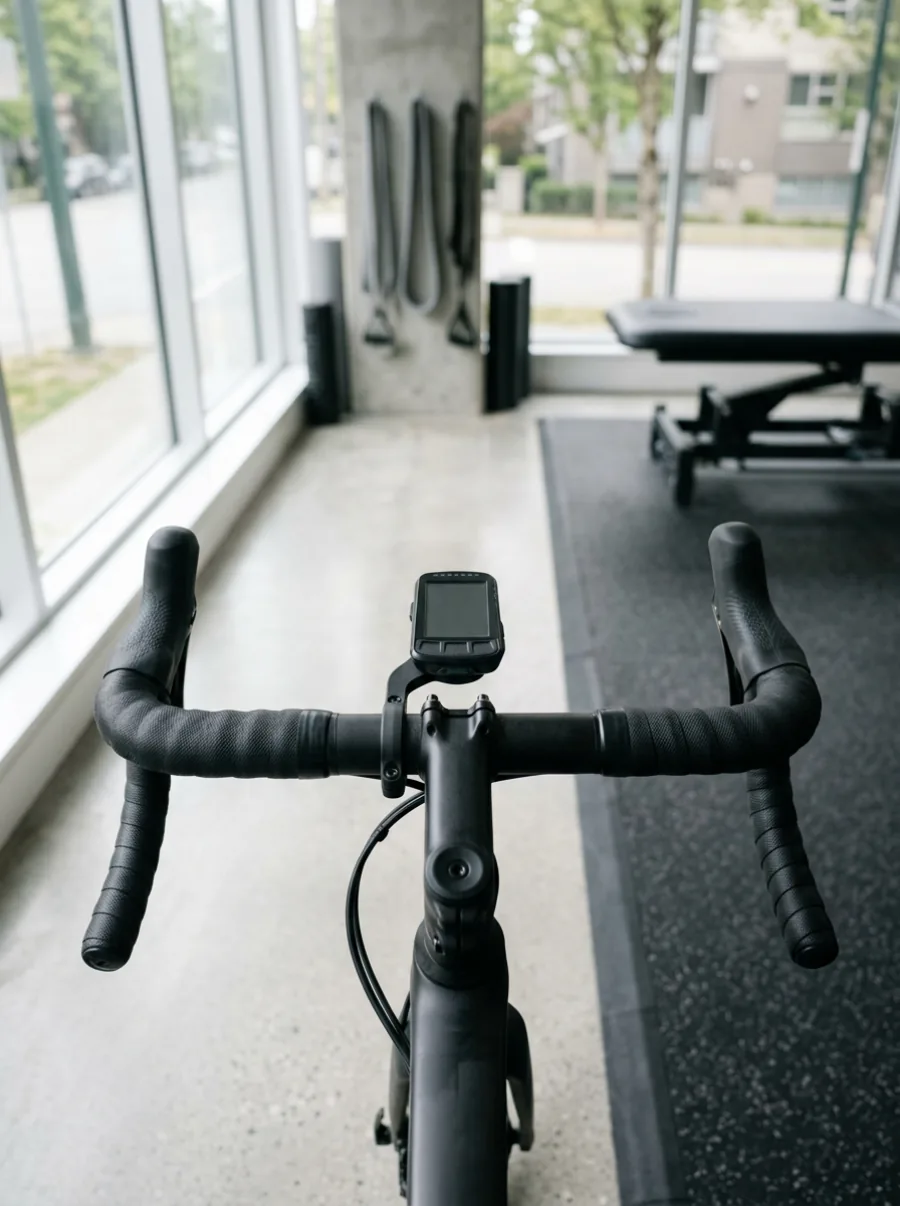
Neck and shoulders
Drop, reach and how far you have to lift your head to see the road. Plus how much weight is on your hands.
READNumb hands
Which fingers go numb tells us where the pressure is landing, and that points straight at the fix.
READ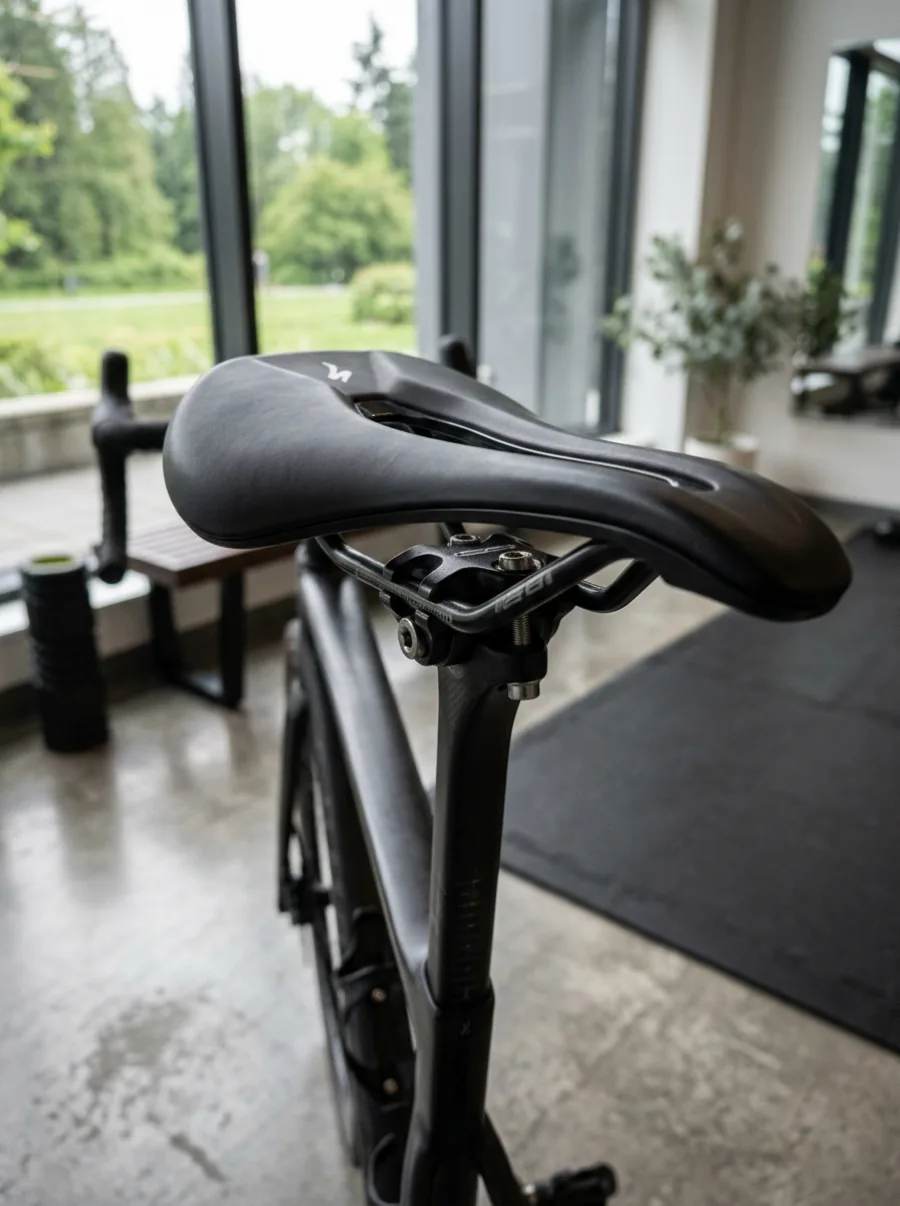
Saddle pain
Rarely about how soft the saddle is. Almost always about where your weight lands and how long it stays there.
READ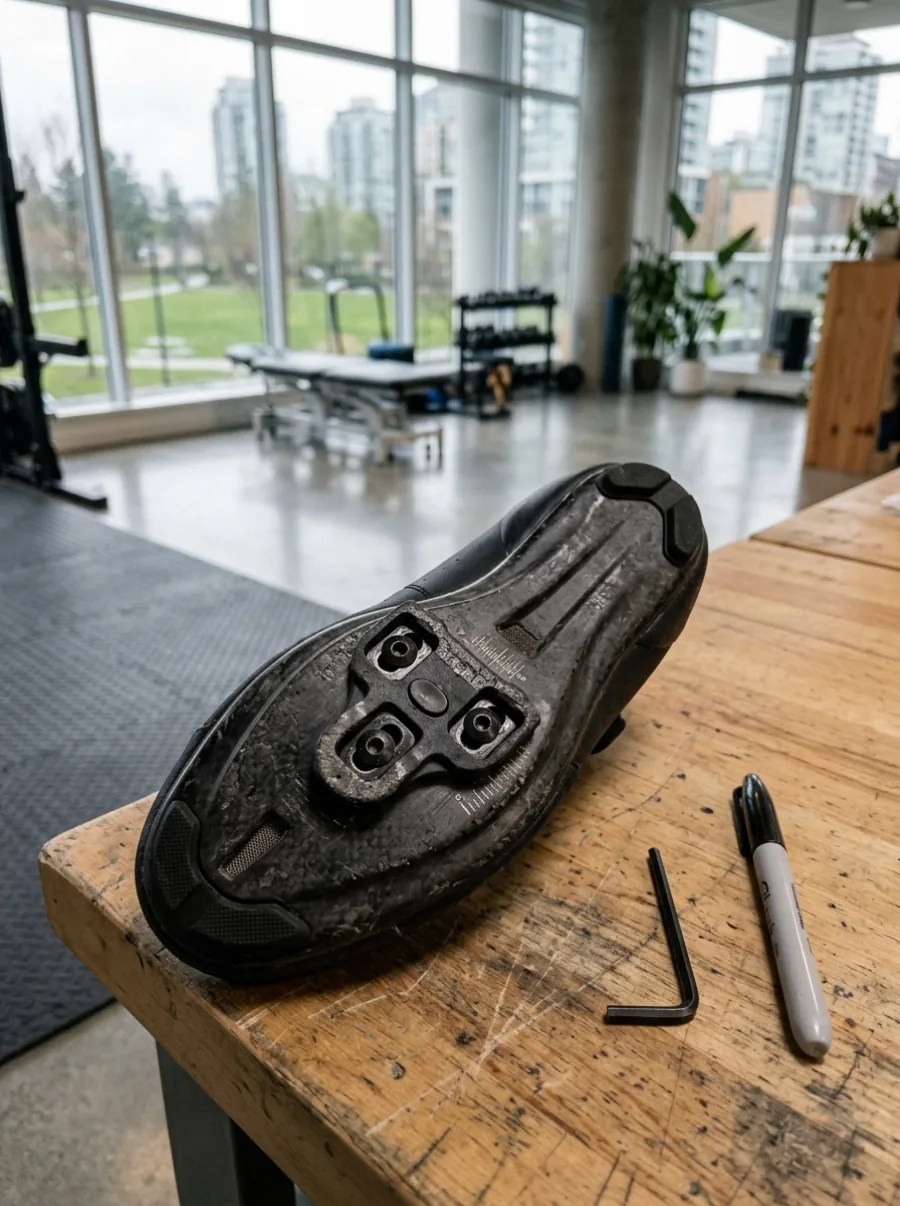
Foot pain and hot foot
Burning across the ball of the foot, numb toes, or an Achilles that grumbles. Usually shoes and cleats.
READHip pain
Pinching at the front, aching on the outside, or a hip that just will not let you get low.
READ
By type of bike
Same principles, different priorities. What changes for each kind of riding.
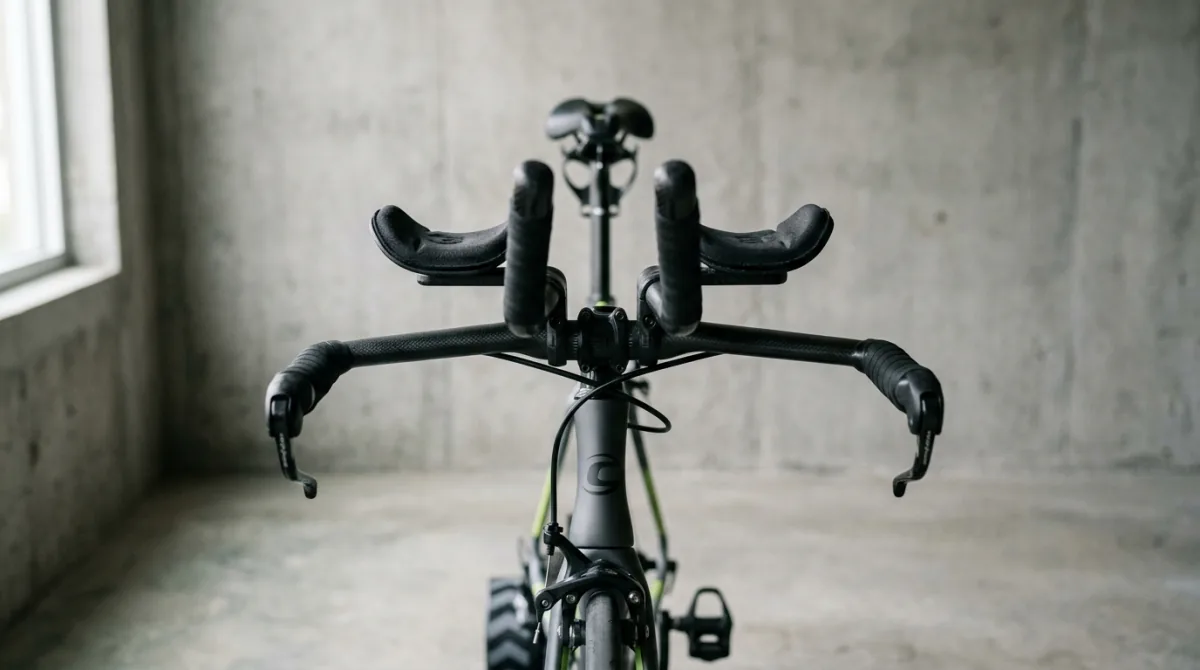
Road bike
The balance between a position you can hold for hours and one that is actually efficient.
READ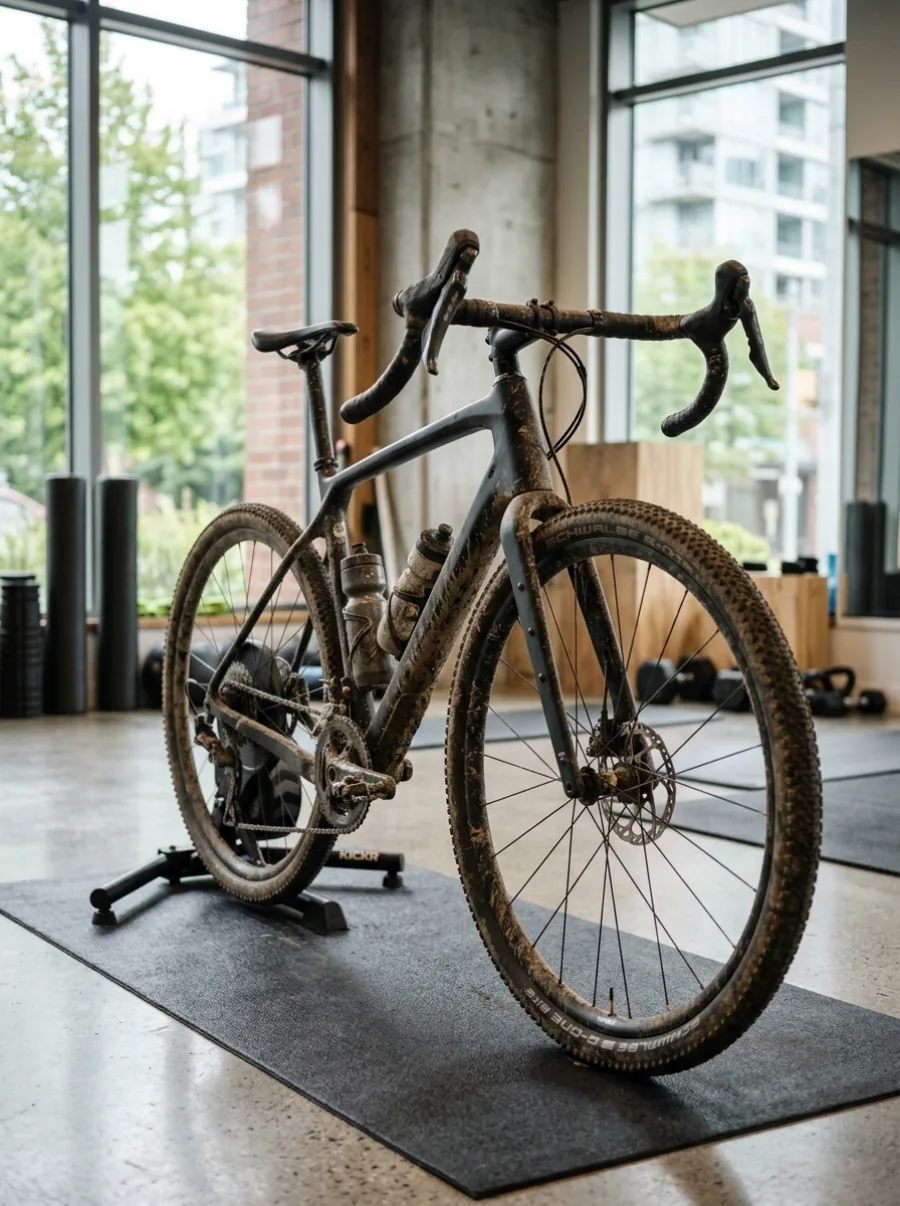
Gravel bike
Longer days, rougher surfaces, more standing. Control and comfort earn their place over pure efficiency.
READ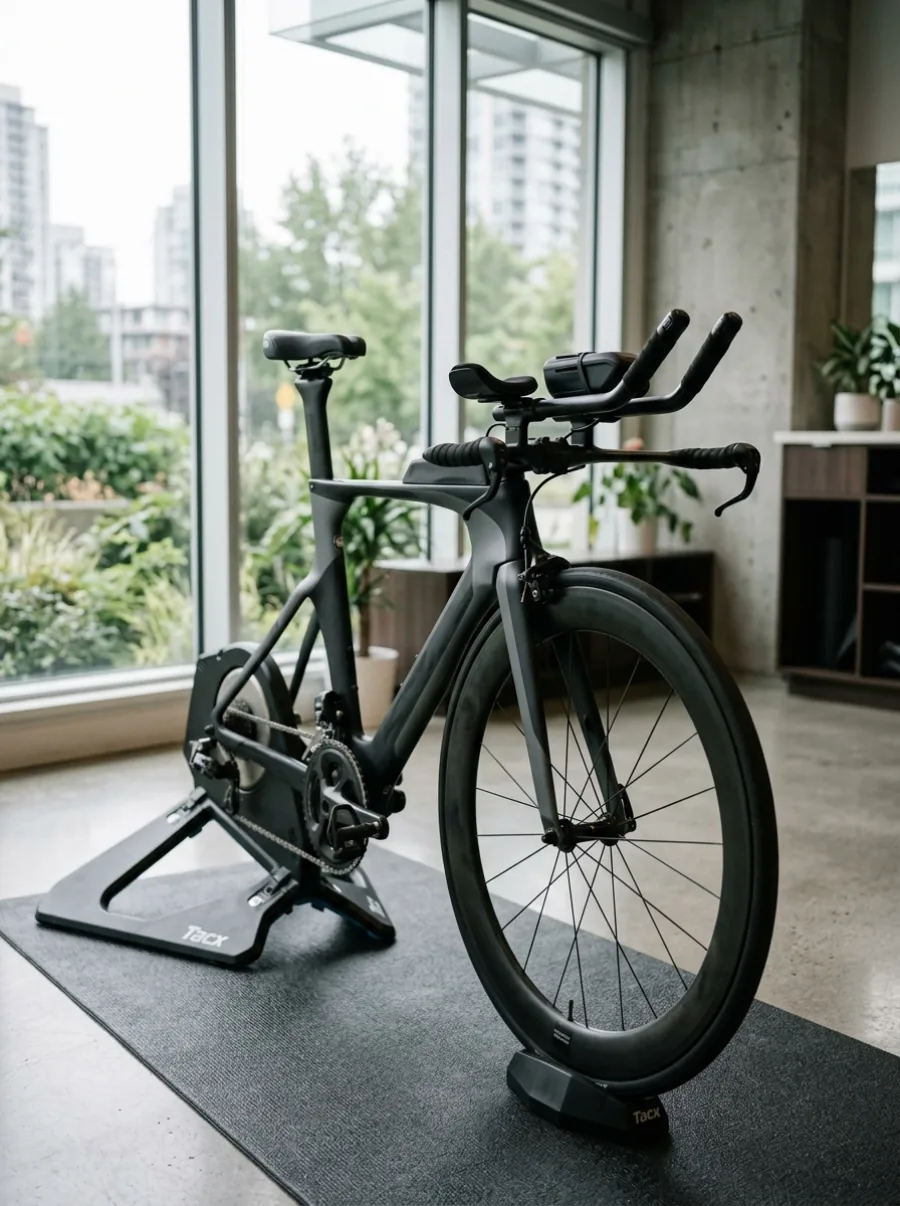
Triathlon and TT
The hardest fit to get right. A low position held for hours, and in triathlon you still have to run after it.
READ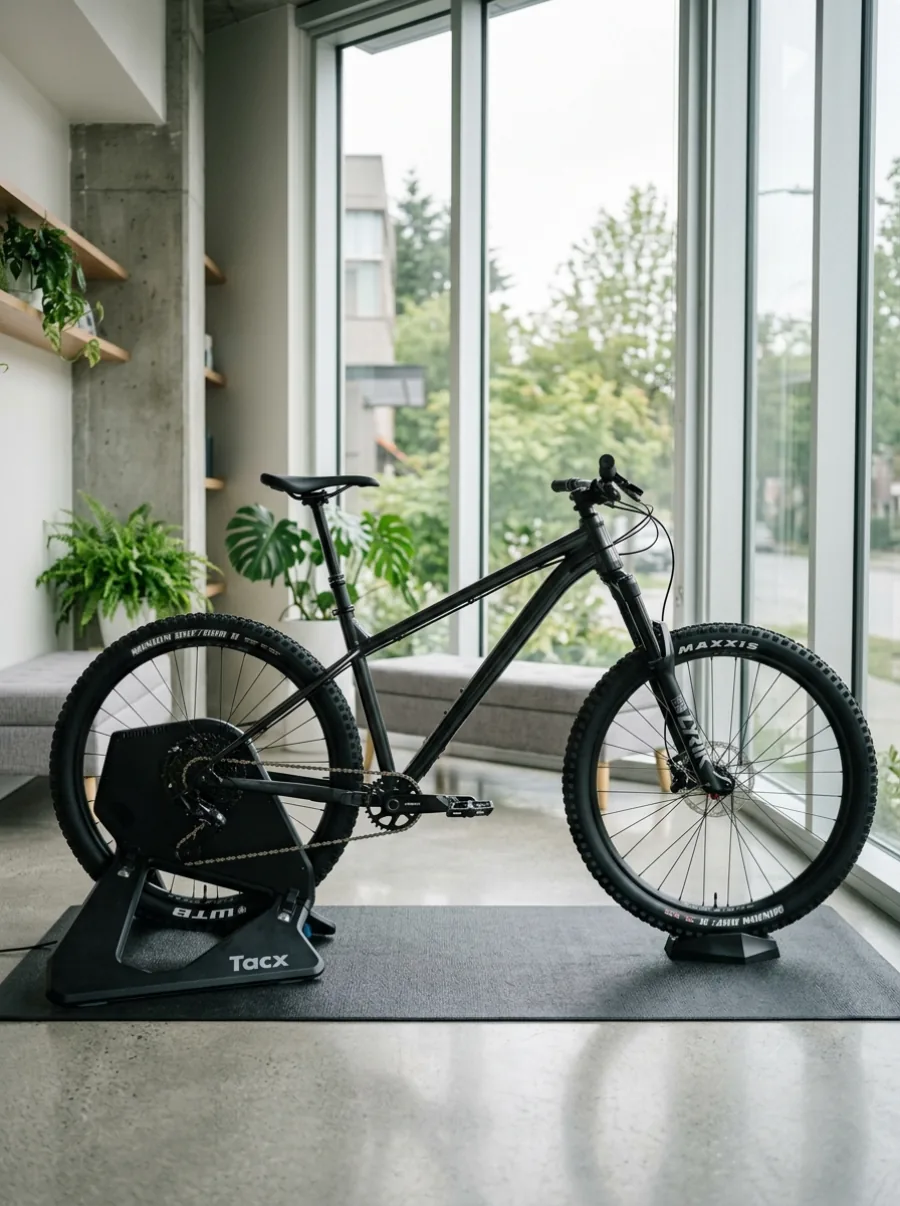
Mountain bike
Position changes constantly, so the fit is about the contact points, the seated climb, and room to move.
READ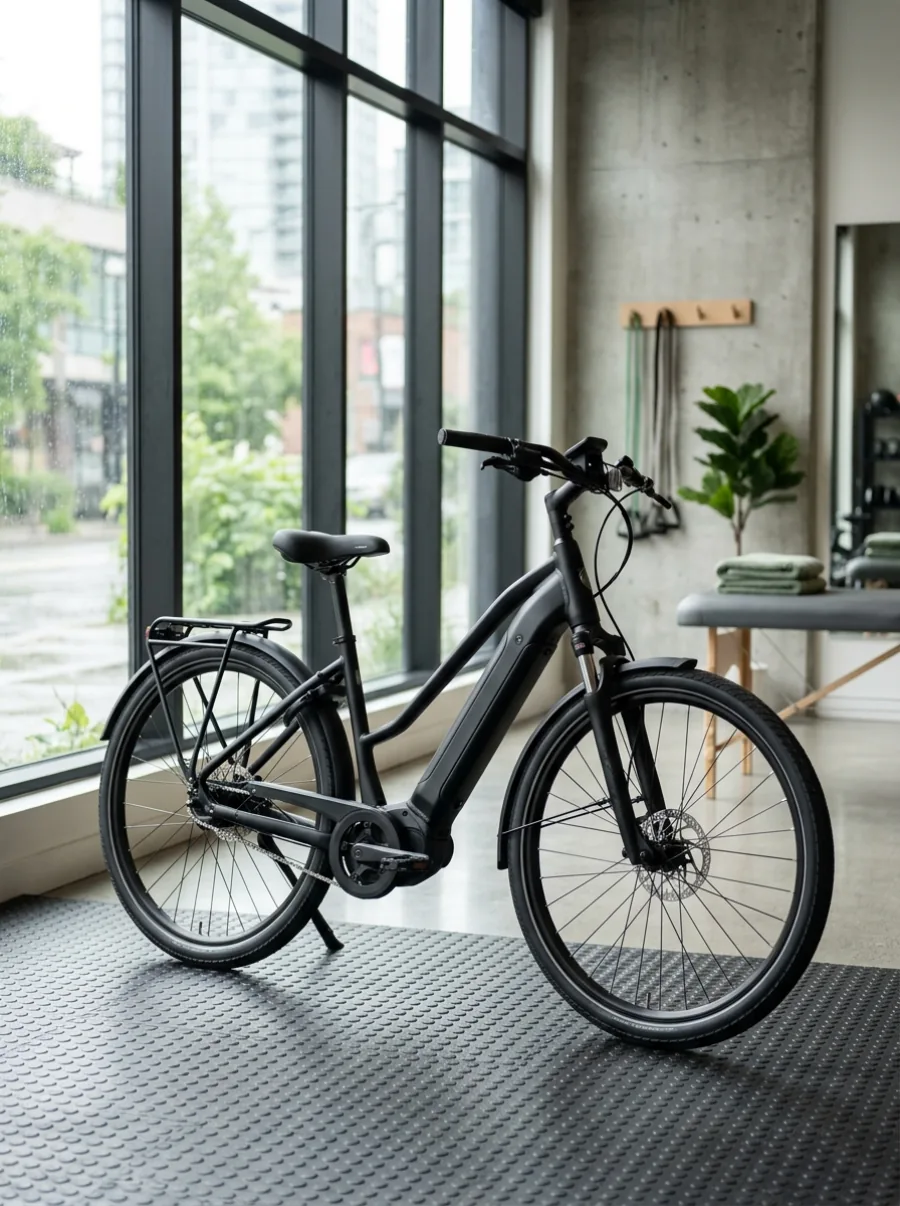
E-bike and commuter
Shorter rides, more often, in normal clothes. And e-bike riders cover far more distance than they expect.
READ
How a fit works
What happens in the session, what we measure, and how the numbers are set.
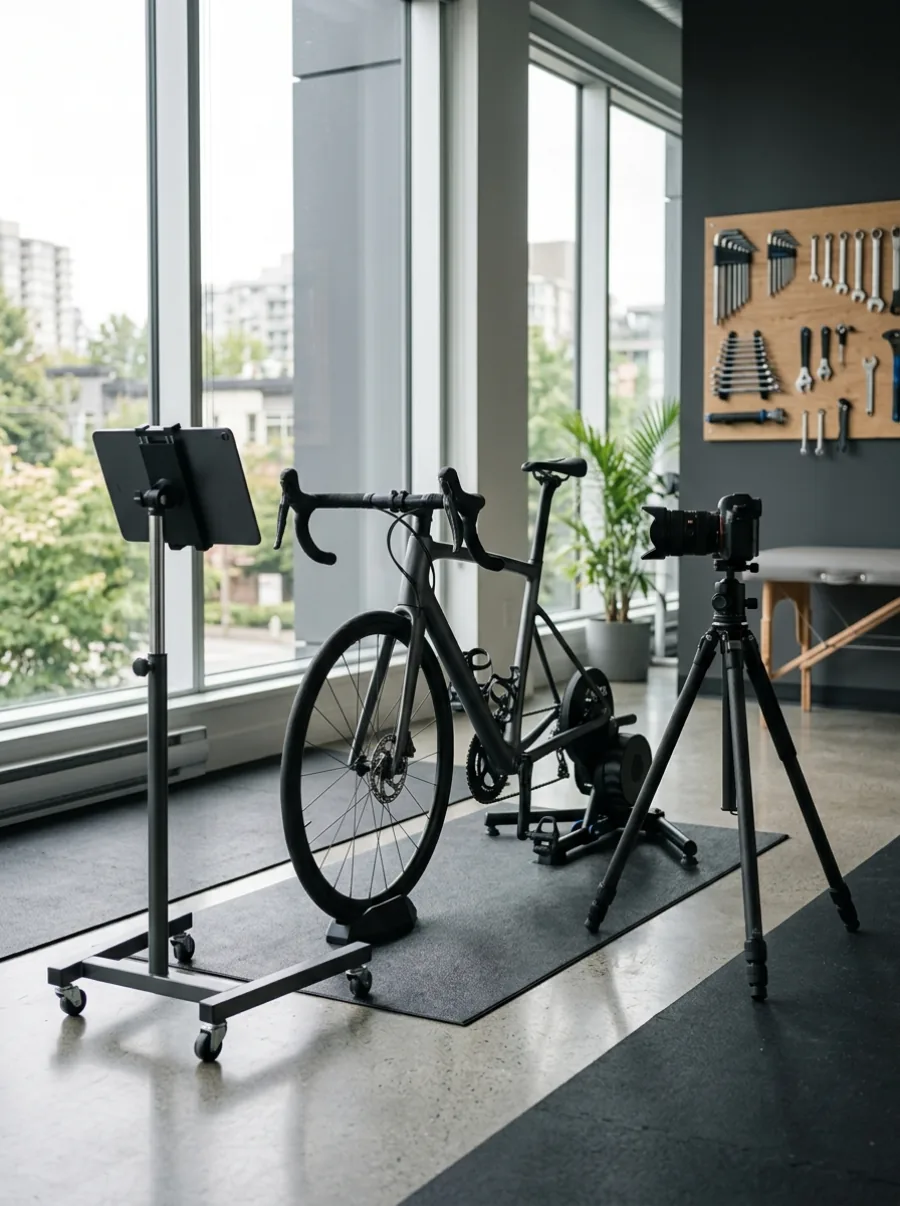
What happens in a fit
The full 90 minutes, step by step, from the first question to the numbers you take home.
READPhysio fit vs shop fit
Both are real services. One starts at the bike, the other starts at your body. Which you need depends on whether something hurts.
READSaddle height
The most influential number on the bike, and the one most riders have wrong by more than they think.
READCleat position
The smallest adjustment on the bike and the one everything above it inherits. We set it first.
READ
WHY LAUNCH REHAB
What you get with us.
One-on-one, always
The clinician who assesses you is the clinician who treats you and progresses your plan. No assistant hand-off.
Five Metro Vancouver studios
Lougheed, Coquitlam, Richmond, New Westminster and North Burnaby. Book at the studio nearest you.
Evenings and weekends
Appointments outside business hours so treatment fits around work, not the other way around.
Direct billing
ICBC, MSP, WorkSafeBC and most extended health plans billed directly by our client care coordinators.
Convenient parking
Free parking at our Lougheed, North Burnaby and Richmond studios; paid street and transit-station parking at Coquitlam and New Westminster.
Regulated practitioners
Every clinician is licensed by their BC college and held to its scope-of-practice and ethics standards.
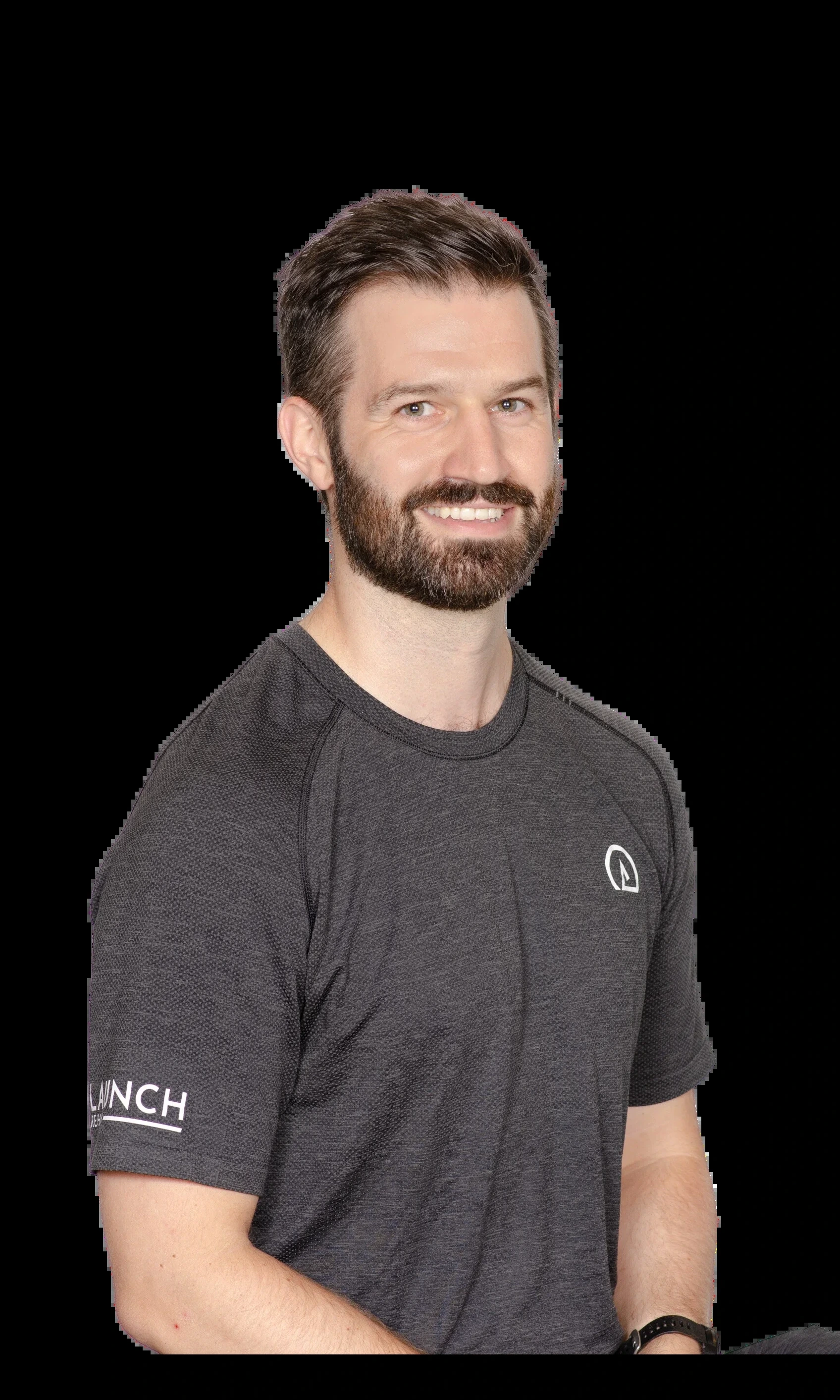
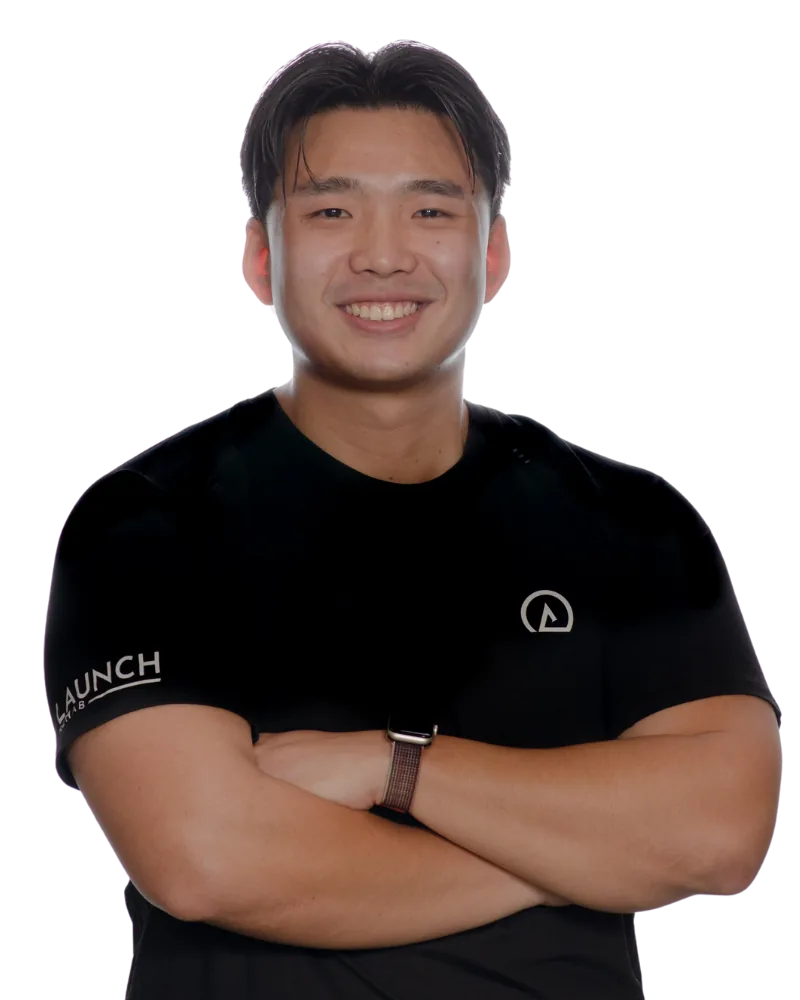
OUR BIKE FITTING TEAM
Meet the team behind the care.
KIND WORDS
What our clients say.

"I started coming here after an injury I suffered at the beginning of December. I was pleasantly surprised by how many practitioners they have and how easy it is to book appointments online. The clinic is very conveniently located at New Westminster Station, which makes it easy for me to come before work, after work, and even on weekends. I started seeing George for physiotherapy to treat my injury. Not only did he help me recover, but he also provided exercises that I can easily track through an app. More recently, I had a bike fitting with George, as he is certified to perform bike assessments and ensure that everything is adjusted properly for comfort and performance while riding. I am very happy with the care and service George has provided. He was kind, patient, and understanding throughout the process. As a single parent, I sometimes have no choice but to bring my toddler with me to appointments. George made an effort to acknowledge my son throughout the session, which I really appreciated. The same can be said for the entire staff. Everyone has been welcoming, understanding, and accommodating of my child. That means a lot to me because I do not always have childcare available, and being in a professional environment where people are so understanding makes me feel comfortable and supported. Some of the services I have received include acupuncture, massage therapy, hot stone massage, physiotherapy, and a bike assessment. I have been very satisfied with all of them. I highly recommend this clinic for its excellent customer service, knowledgeable practitioners, and welcoming environment."
DULCE RAMIREZ · NEW WESTMINSTER
FIVE STUDIOS · METRO VANCOUVER
OUR LOCATIONS
EST. 2025
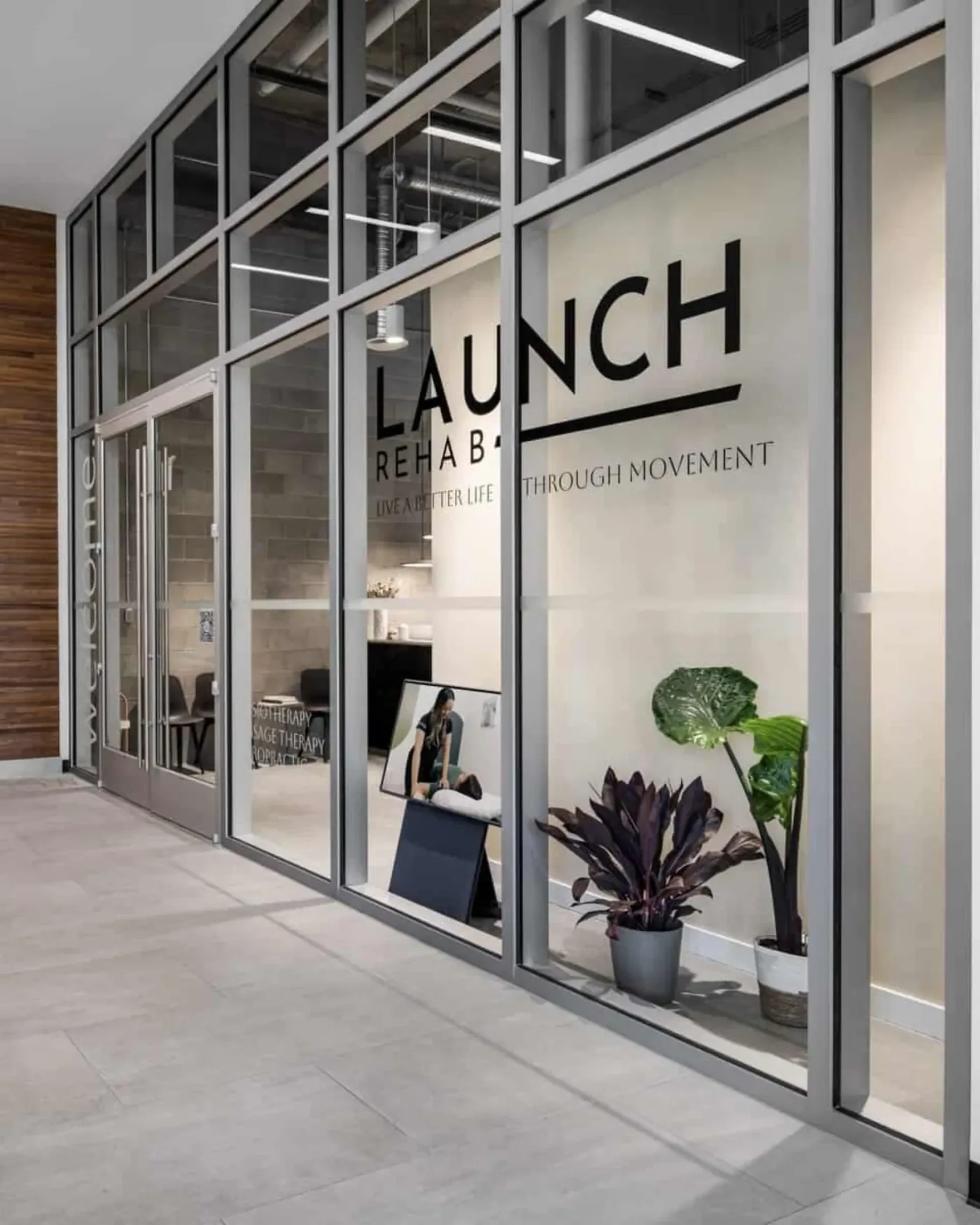
LAUNCH REHAB LOUGHEED
Located next to LifeLabs in the City of Lougheed.

EST. 2024
LAUNCH REHAB COQUITLAM
On the second floor of the Evergreen building at Pinetree Way and Glen Dr.
EST. 2023
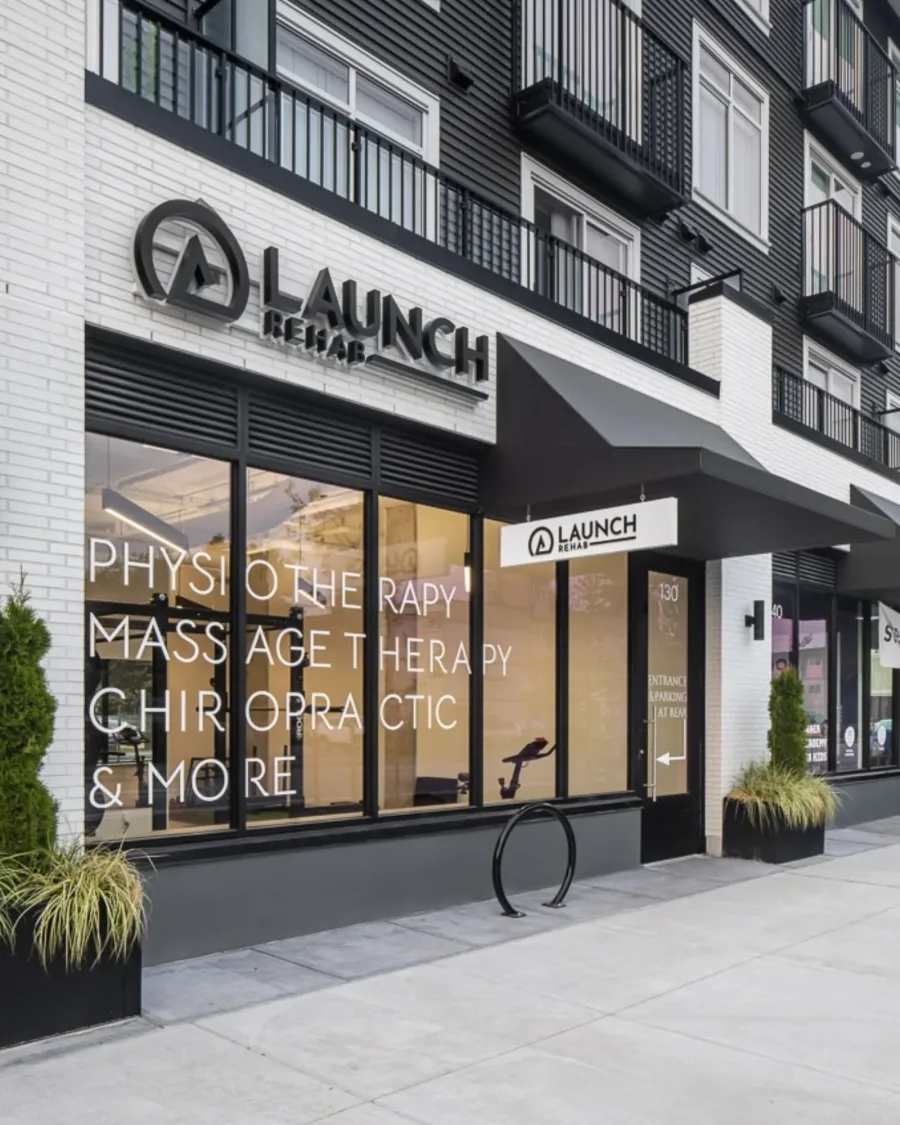
LAUNCH REHAB RICHMOND
Northeast corner of Williams Rd and No. 3 Rd in Broadmoor.

EST. 2021
LAUNCH REHAB NEW WESTMINSTER
Second floor of the Shops at New West, inside the Skytrain Station.
EST. 2015
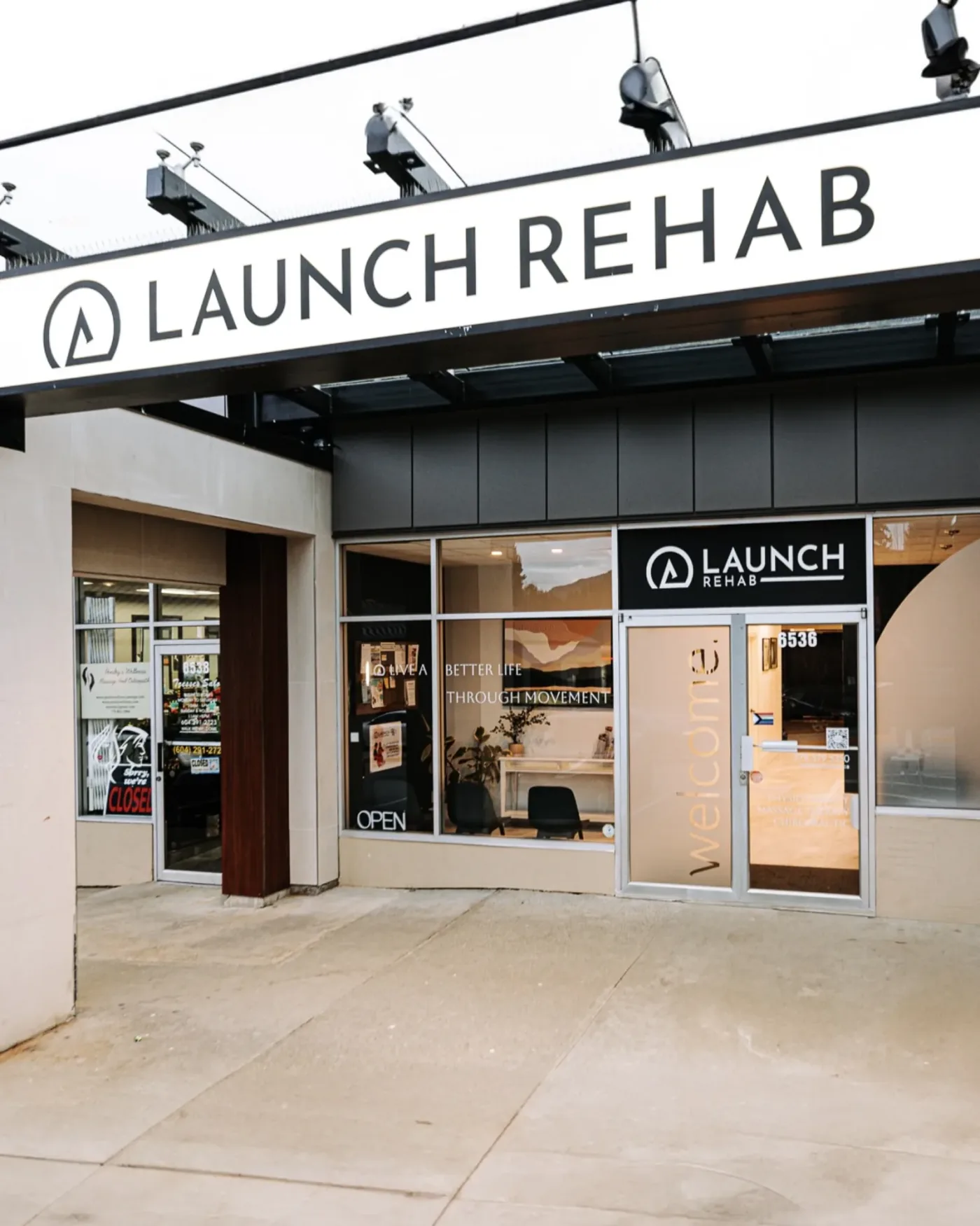
LAUNCH REHAB NORTH BURNABY
Kensington Square Shopping Centre at Kensington Ave and Hastings St.
BIKE FITTING BY STUDIO
Bike Fitting near you.
FAQ
Frequently asked questions.
Bike fitting runs from our New Westminster studio at 219-800 Carnarvon St, inside Shops at New West above the SkyTrain station. It is by appointment only. Call 604-519-0777 or send an enquiry through our contact form and we will find you a time. If you normally see us at another studio, this is the one to come to for a fit.
FROM THE JOURNAL
Read more about bike fitting.
READY?
Book your bike fitting in New Westminster.
By appointment at 219-800 Carnarvon St, New Westminster, BC V3M 0G3. Not sure which appointment you need? Call 604-519-0777 and describe what happens on the bike.