
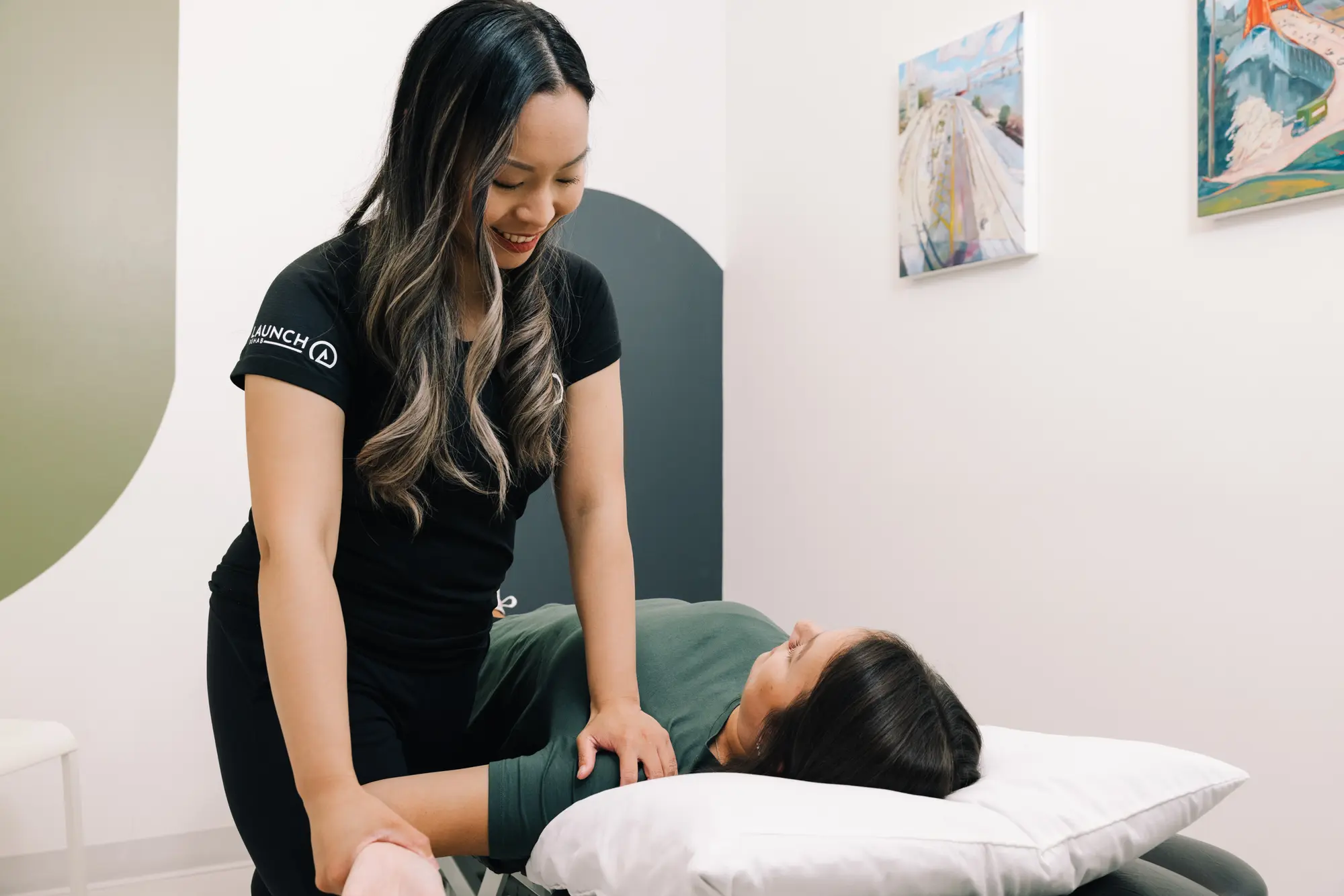
SHOULDER & ROTATOR CUFF
Physiotherapy for shoulder pain and rotator cuff injuries.
Assessment-led care for a painful, stiff or weak shoulder, from impingement to frozen shoulder.
OVERVIEW
What physiotherapy does for shoulder pain
The shoulder is the most mobile joint in the body, and that mobility comes at the cost of stability, so it is easy to overload. Shoulder pain can come from the rotator cuff tendons, the joint itself, or the way the shoulder blade moves. A stiff shoulder that will not lift behaves very differently from a painful arc during overhead reaching, and telling them apart is the first job.
Physiotherapy is a regulated health profession. In British Columbia every physiotherapist is licensed by the College of Health and Care Professionals of BC (CHCPBC) and works to a defined scope of practice. A physiotherapist can assess the shoulder, screen for the problems that need a surgeon or imaging, and build a plan to reduce pain, restore movement and rebuild the strength and control the shoulder needs. We do not diagnose a tear from a website or promise a fixed timeline.
At Launch Rehab a shoulder session is an assessment, hands-on treatment where it helps, and progressive loading, which is the part that rebuilds rotator cuff and shoulder-blade strength over the following weeks. Most rotator cuff problems and most frozen shoulders improve without surgery, and the same physiotherapist assesses you, treats you and progresses the plan.
This page is general information, not personal medical advice or a diagnosis. A regulated practitioner can confirm what applies to your specific situation.
BENEFITS
What this work is for.
- Reduce shoulder pain and restore comfortable overhead movement
- Rebuild rotator cuff and shoulder-blade strength and control
- Make an informed surgery-versus-rehab decision for rotator cuff injuries
- Work through the stages of a frozen shoulder with a clear plan
- Return to lifting, sport, work and sleep with less pain
CONDITIONS WE TREAT
What we help with.
- Rotator cuff strains and tears
- Shoulder impingement and painful overhead reaching
- Frozen shoulder (adhesive capsulitis)
- Telling impingement from a rotator cuff tear
- Shoulder-blade (scapular) control problems
- Shoulder instability and dislocations
- AC joint (top of the shoulder) pain
- Shoulder pain that disturbs sleep
- Post-surgical shoulder recovery
- Shoulder pain after a car crash or work injury (ICBC, WorkSafeBC)
WHAT TO EXPECT
Your session, step by step.
Assessment
We take your history, look at how far and how comfortably the shoulder moves, test the rotator cuff and the shoulder blade, and screen for the problems that need a surgeon or imaging. You leave the first session with a working picture of what is driving the pain and a written plan.
Settle pain and restore movement
Early on the goal is to calm an irritated shoulder and get it moving again. Hands-on treatment, movement within a comfortable range, and load management help the shoulder settle so the strengthening work can start.
Progressive loading and strength
Rebuilding rotator cuff and shoulder-blade strength is the part that changes how the shoulder holds up. We start where the shoulder is now and build strength and control through a graded program, progressed each visit. This is the core of shoulder rehab.
Return to what you were doing
Getting back to overhead lifting, sport, work and sleeping on the shoulder is staged on how it responds to load, not on a fixed calendar. We stage your return and tell you what a flare means and how to handle it.
Assessment
We take your history, look at how far and how comfortably the shoulder moves, test the rotator cuff and the shoulder blade, and screen for the problems that need a surgeon or imaging. You leave the first session with a working picture of what is driving the pain and a written plan.
Settle pain and restore movement
Early on the goal is to calm an irritated shoulder and get it moving again. Hands-on treatment, movement within a comfortable range, and load management help the shoulder settle so the strengthening work can start.
Progressive loading and strength
Rebuilding rotator cuff and shoulder-blade strength is the part that changes how the shoulder holds up. We start where the shoulder is now and build strength and control through a graded program, progressed each visit. This is the core of shoulder rehab.
Return to what you were doing
Getting back to overhead lifting, sport, work and sleeping on the shoulder is staged on how it responds to load, not on a fixed calendar. We stage your return and tell you what a flare means and how to handle it.
UNDERSTANDING SHOULDER PAIN AND ROTATOR CUFF PHYSIOTHERAPY
A plain-language guide to shoulder pain.
WHY IT HAPPENS
What causes shoulder pain
The shoulder trades stability for a huge range of movement, which makes it easy to overload and irritate. Pain can come from the rotator cuff tendons, the joint capsule, the shoulder blade or the way the whole system moves together. Some shoulder pain builds up over time from load or posture. Some arrives suddenly from a fall or a dislocation. Each needs its own plan.
These are the common sources of shoulder pain we see:
Rotator cuff problems
The cuff tendons can be irritated, strained or torn. Most respond to a progressive strengthening program, and only some tears need surgery.
Impingement and painful arc
Pain when raising the arm, usually linked to how the cuff and shoulder blade work under load. It commonly settles with rehab.
Frozen shoulder
A painful, progressive stiffening that moves through stages and gradually eases. Physiotherapy helps you manage it through each stage.
Shoulder-blade control
If the shoulder blade does not move well, the cuff has to work harder. Retraining scapular control is often part of the plan.
Instability and dislocation
After a dislocation or in a naturally loose shoulder, rehab rebuilds the strength and control that keep the joint stable.
After a crash or work injury
A fall, a collision or a workplace incident can injure the shoulder, and ICBC or WorkSafeBC cover the physiotherapy that follows.
EARLY ON
What to do with a painful shoulder
While you wait to be seen, a few simple steps settle many irritated shoulders. None of these are a cure, and none should sharply increase your pain. They calm the shoulder so the strengthening work can begin.
Keep it moving gently
Move the shoulder through a comfortable range often rather than resting it in a sling. Gentle movement keeps a sore shoulder from stiffening.
Manage the load, do not stop everything
Reduce the overhead and heavy tasks that spike the pain, but keep using the arm within comfort. Total rest tends to leave the shoulder weaker and stiffer.
Adjust your sleep
If night pain is a problem, try lying on the other side with a pillow supporting the sore arm, or propped up slightly. Small changes often help.
Ease off the aggravators
Notice which specific movements flare the shoulder and modify them for now. This is information your therapist uses to build the plan.
Start gentle strength early
Light rotator cuff and shoulder-blade work, at a level that does not flare the shoulder, is usually helpful early. What is right for you depends on the assessment.
This is general information, not a treatment plan or a diagnosis. Get urgent care for a shoulder that has just dislocated, or for severe pain and weakness after a significant fall or impact. The right exercises for you depend on what your assessment finds.
SURGERY OR REHAB
Rotator cuff, frozen shoulder and the surgery question
People often arrive worried that a shoulder problem means an operation. For most shoulders it does not, and starting rehab early is usually the sensible first move.
Rotator cuff tears
Most, including many tears, improve with a progressive strengthening program. Surgery is considered mainly for large traumatic tears with significant weakness.
Impingement
Rarely needs surgery. It usually settles with rehab that rebuilds cuff and shoulder-blade strength and adjusts the loads that flare it.
Frozen shoulder
Usually managed without surgery. Physiotherapy helps through each stage while it gradually thaws, and other options are considered only if it stalls.
Prehab and post-op rehab
If surgery is planned, rehab before and after is a large part of the outcome. Going in with a calmer, stronger shoulder tends to help recovery.
The decision to operate belongs to a surgeon. Our job is to build the rehab around whichever path you and your surgeon choose, and to tell you plainly when your shoulder should be reviewed by a doctor.
COVERAGE IN BC
What shoulder physiotherapy costs and what covers it
In British Columbia you do not need a referral to book physiotherapy. Current session prices are on our rates page. How the visit is paid for depends on how the shoulder was injured and what coverage you have.
Extended health insurance
Most plans cover physiotherapy. We direct-bill most insurers up to your plan limit, and you pay any balance on the day.
ICBC (after a car crash)
A shoulder injured in a collision is treated within ICBC's pre-approved physiotherapy, with no referral needed. Bring your claim number and we bill ICBC directly.
WorkSafeBC
If your shoulder injury is work-related and the claim is accepted, physiotherapy is covered at no direct cost to you.
MSP
MSP helps only with a limited number of physiotherapy visits for people on its supplementary benefits (lower-income households).
ICBC COVERAGE
Shoulder injured in a car crash?
Bracing against the wheel or the seatbelt loading the shoulder in a collision can strain or tear the rotator cuff, and shoulder pain and weakness often follow. This is treated within ICBC's pre-approved physiotherapy, with no referral needed. Bring your claim number and we bill ICBC directly.
WHY LAUNCH REHAB
What you get with us.
One-on-one, always
The clinician who assesses you is the clinician who treats you and progresses your plan. No assistant hand-off.
Five Metro Vancouver studios
Lougheed, Coquitlam, Richmond, New Westminster and North Burnaby. Book at the studio nearest you.
Evenings and weekends
Appointments outside business hours so treatment fits around work, not the other way around.
Direct billing
ICBC, MSP, WorkSafeBC and most extended health plans billed directly by our client care coordinators.
Convenient parking
Free parking at our Lougheed, North Burnaby and Richmond studios; paid street and transit-station parking at Coquitlam and New Westminster.
Regulated practitioners
Every clinician is licensed by their BC college and held to its scope-of-practice and ethics standards.
THE SHOULDER CARE TEAM
Meet the team behind the care.
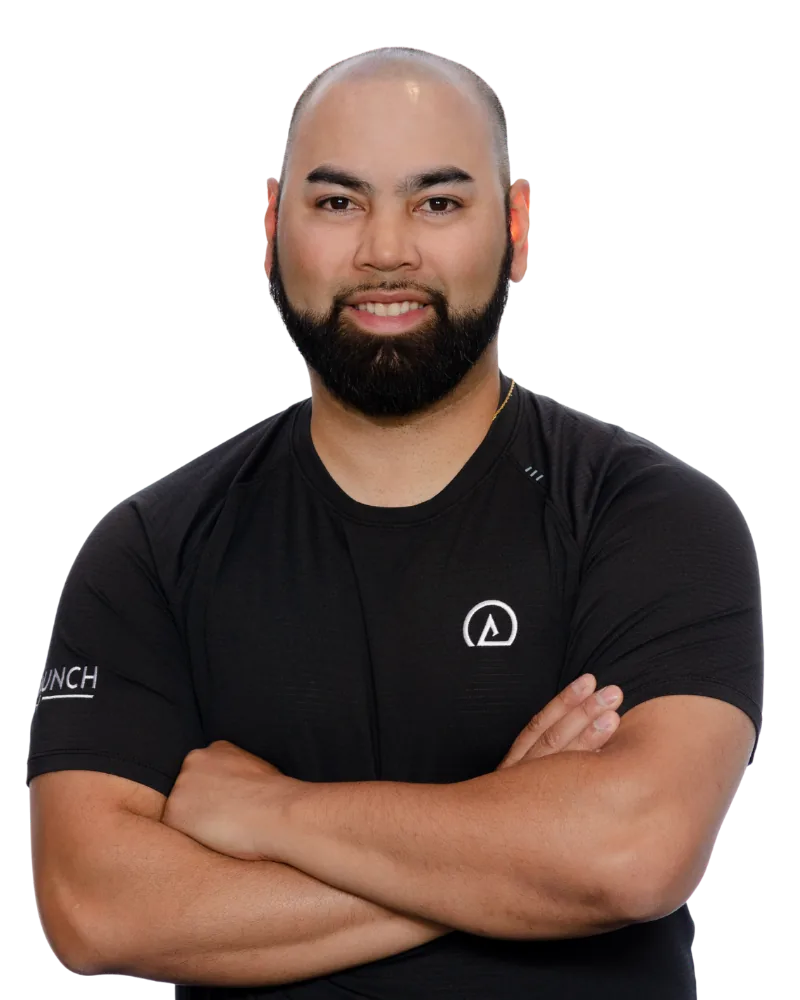
Byron Prasad
MPT, BKin (HE/HIM/HIS)
Lougheed

Megan Hwang
MPT (SHE/HER/HERS)
Lougheed

Teresa Chang
BKIN, MPT (SHE/HER/HERS)
Coquitlam
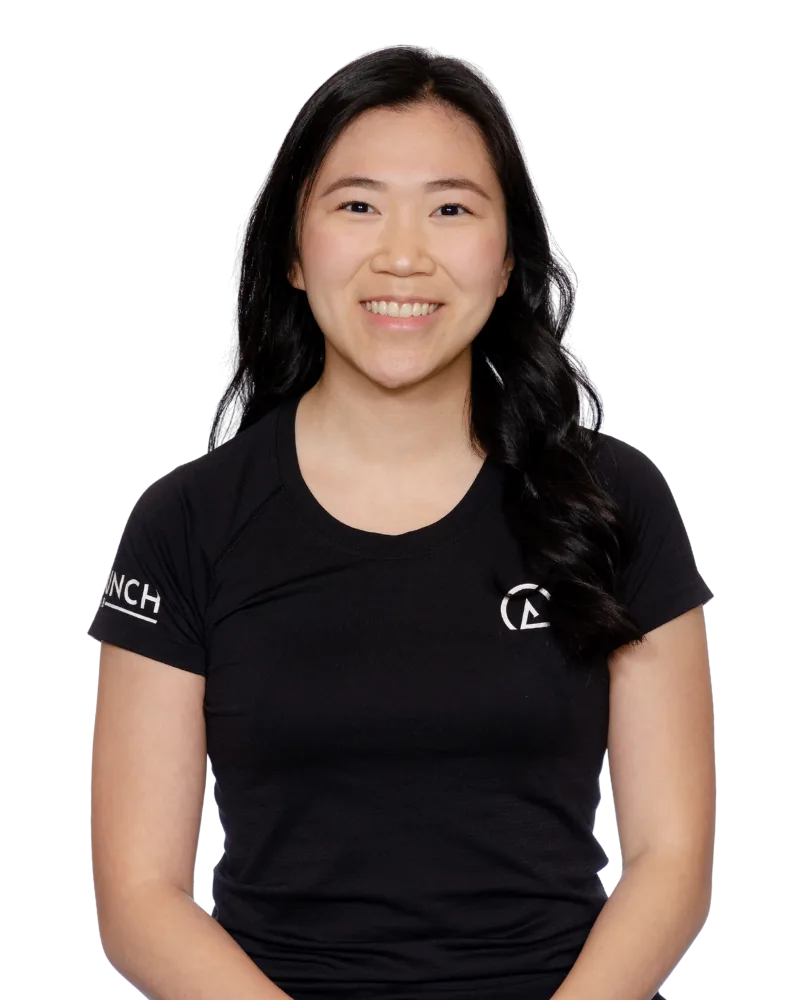
Rachel Cheng
BSCKIN, MPT (SHE/HER/HERS)
Coquitlam
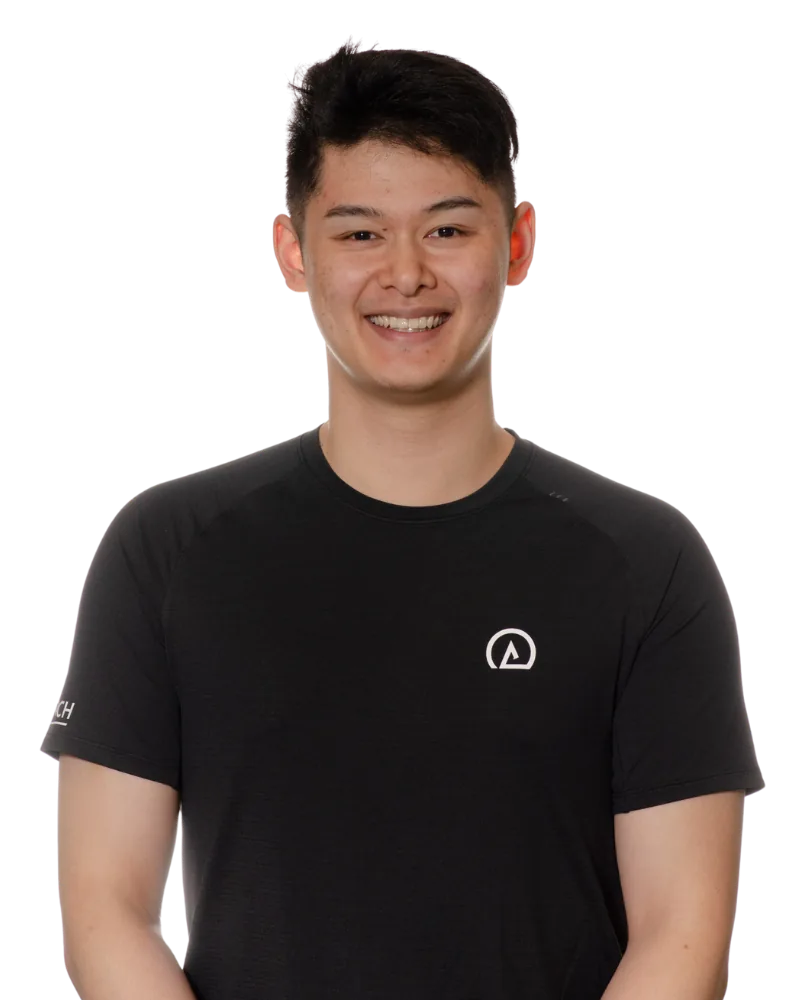
Adrian Cheng
BKIN, MPT (HE/HIM/HIS)
Richmond
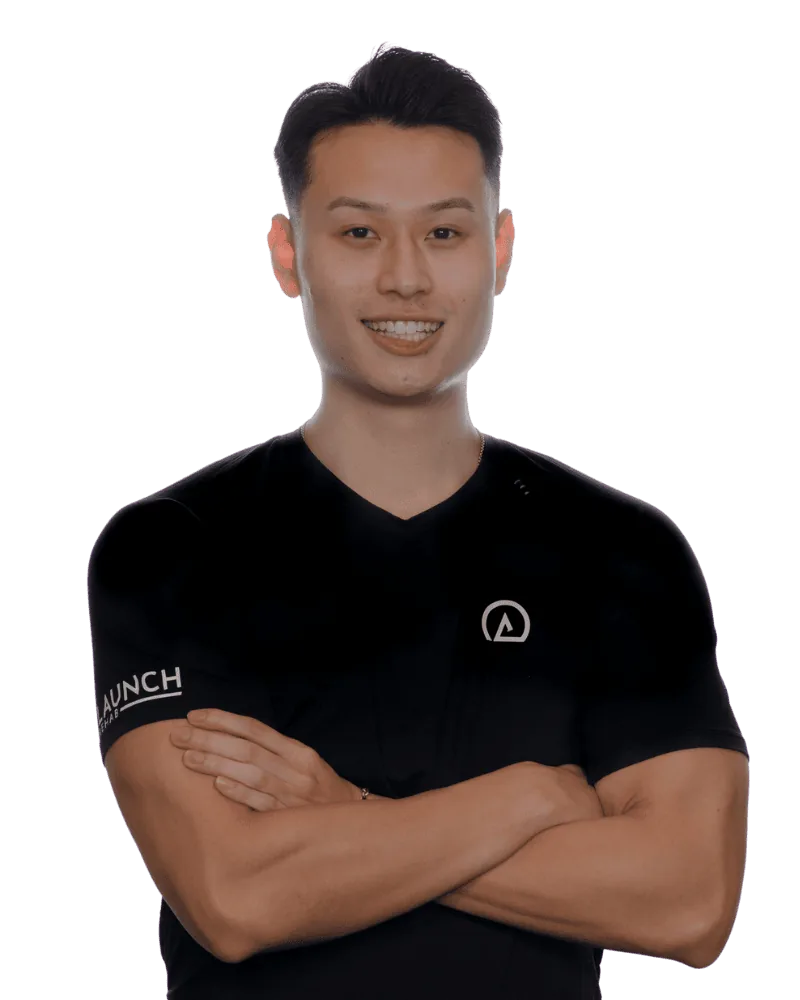
Tom Li
BKIN, MPT (HE/HIM/HIS)
Richmond
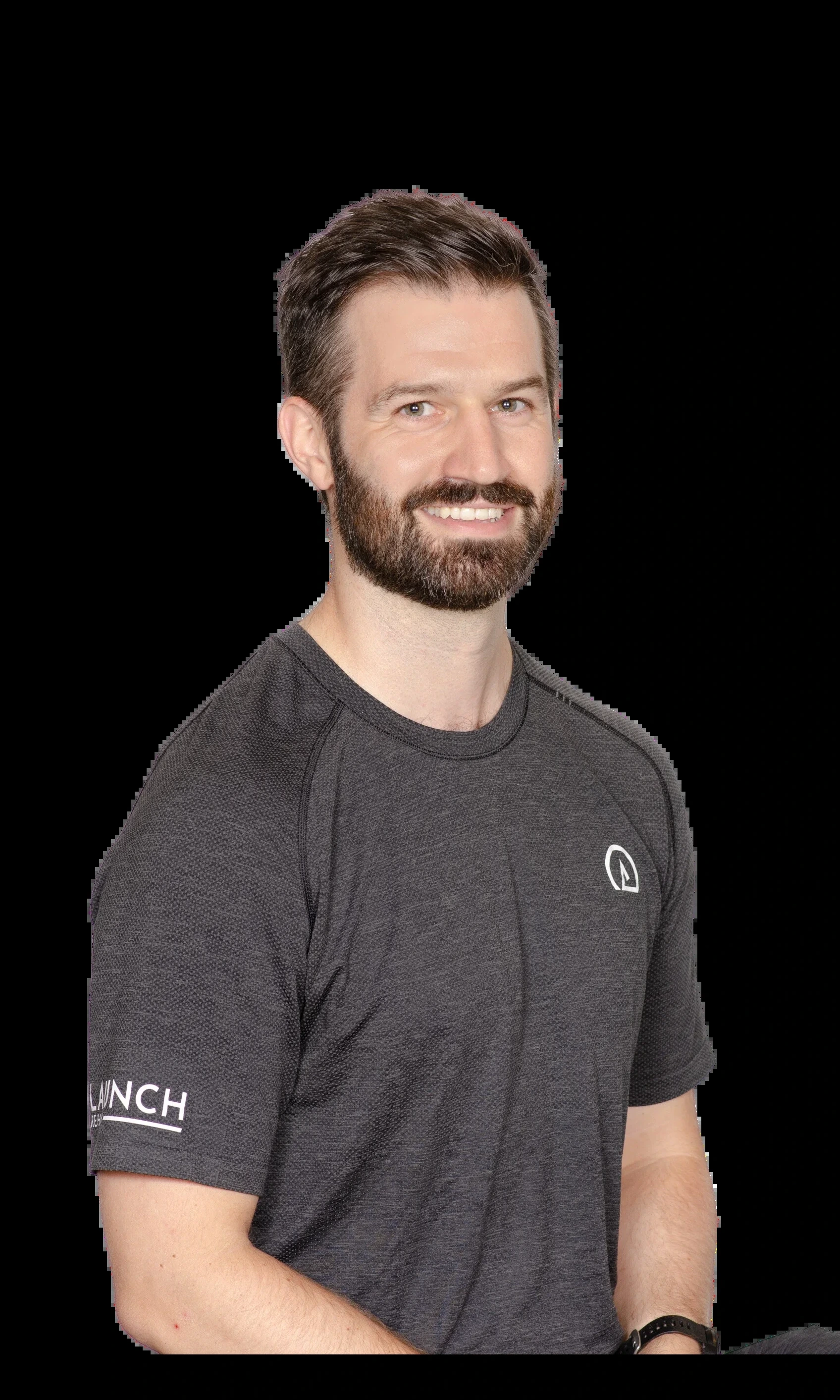
Alex Carrod
BSC, MSCPT (HE/HIM/HIS)
New Westminster
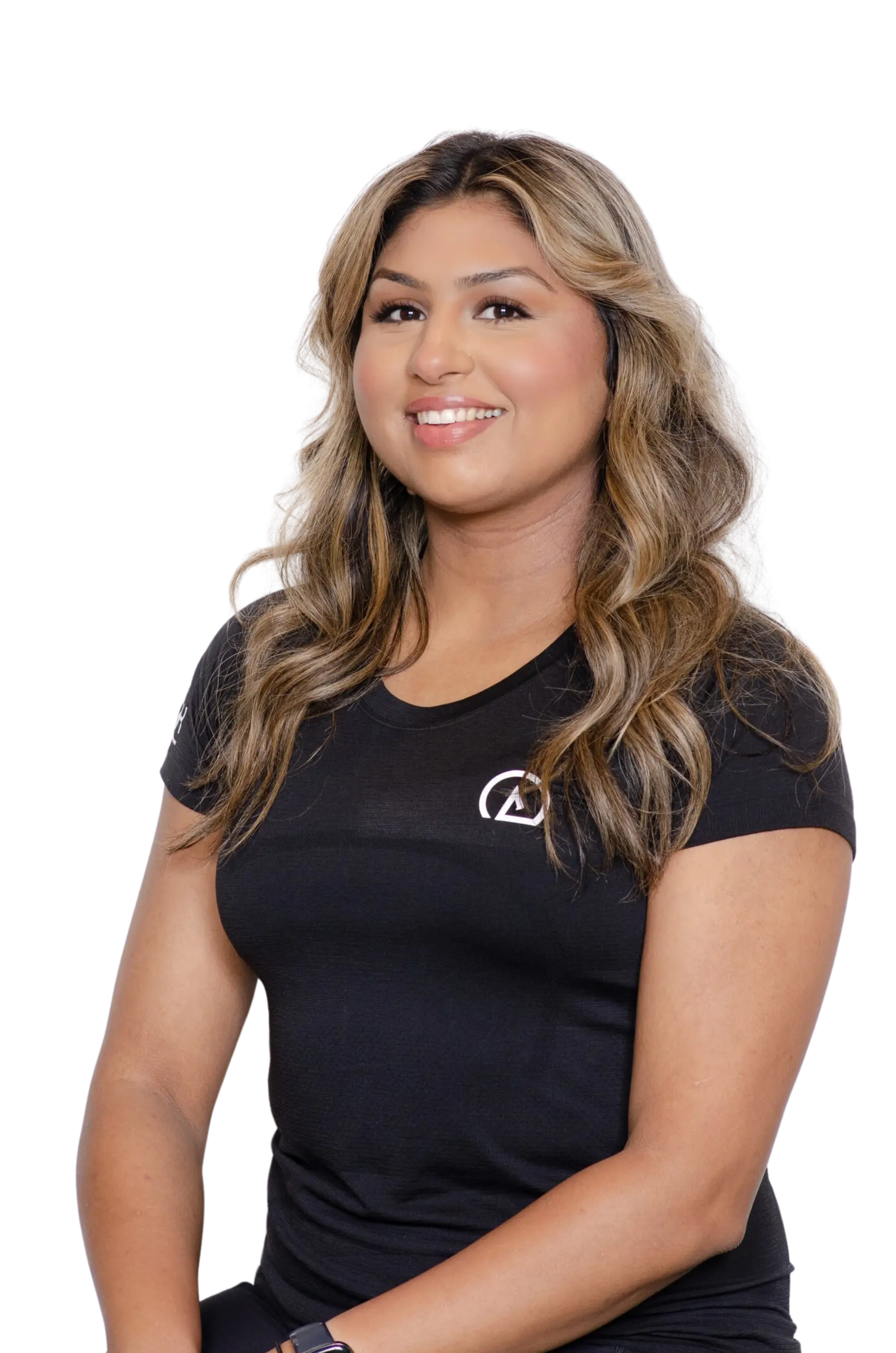
Jasleen Jaura
BSC, MSCPT (SHE/HER/HERS)
New Westminster
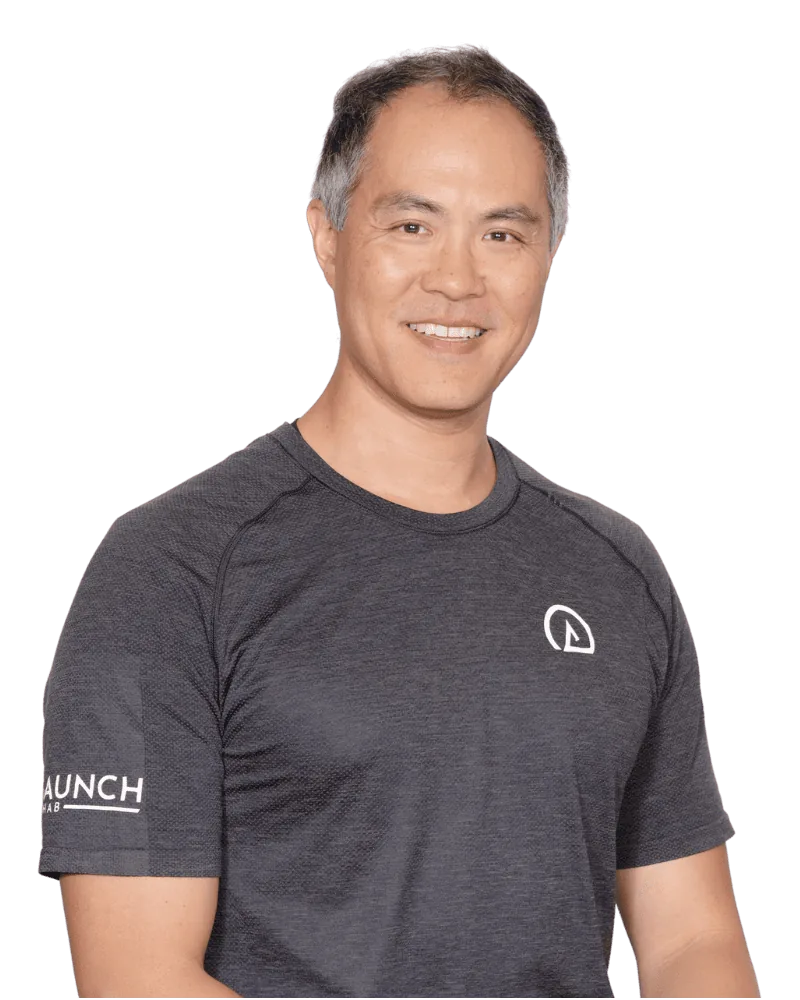
Keane Leung
BSCPT, CAFCI, Vestibular and Concussion Therapy (HE/HIM/HIS)
North Burnaby
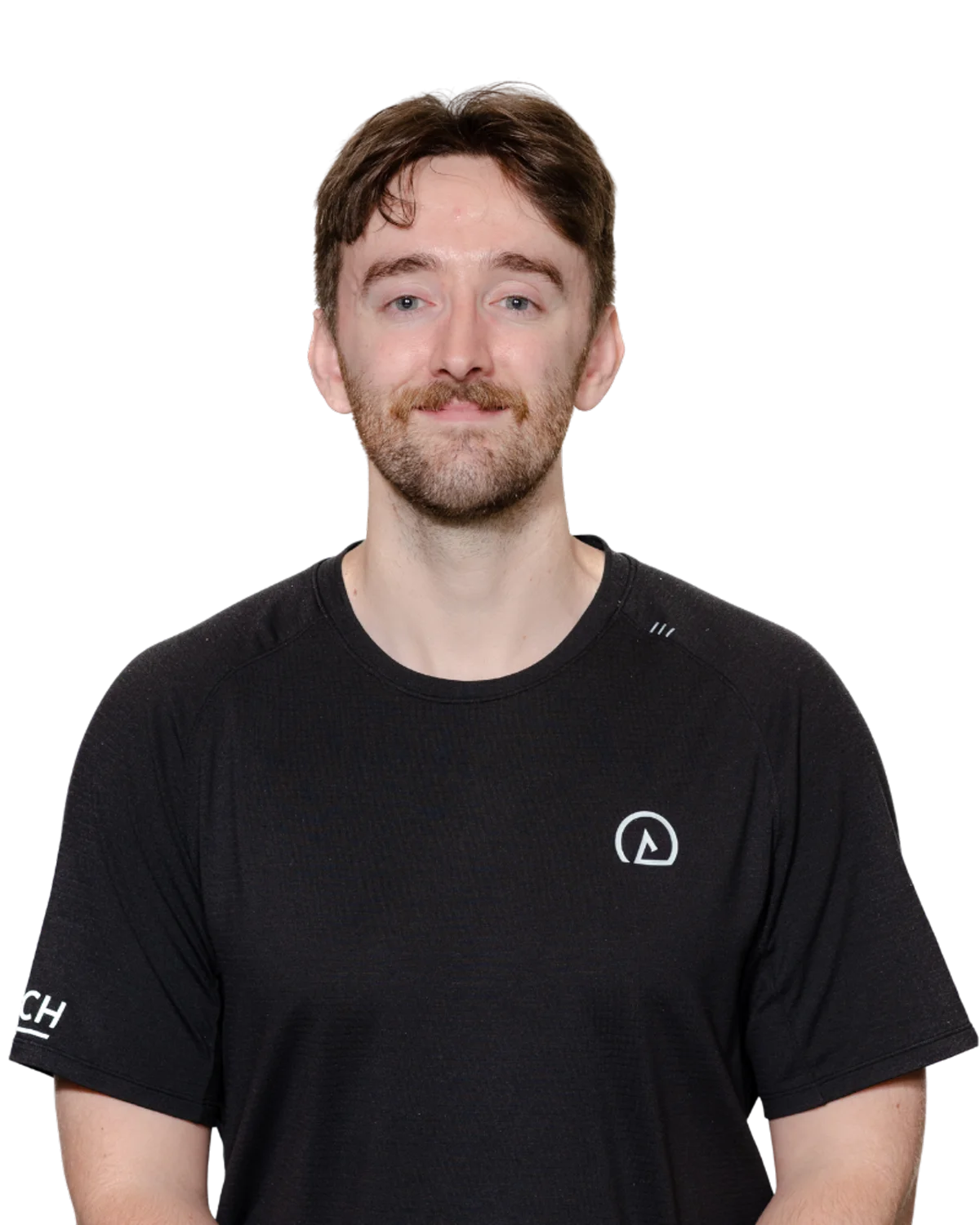
Ryan Schmunk
MPT (HE/HIM/HIS)
Lougheed · North Burnaby
KIND WORDS
What our clients say.

"After seeing different physiotherapists and chiropractors for over 10 years, I can confidently say Byron is one of the best physiotherapists I’ve worked with. From my very first appointment, he established that the goal wasn’t just to treat my pain temporarily, but to build a strong foundation so my back could heal properly for the long term. He took the time to thoroughly assess my condition and explained everything in a way that was easy to understand. For the first time, I truly understood why I was experiencing my symptoms and what the recovery process would look like. What really sets Byron apart is how thoughtful and patient he is. He always explains the purpose behind every exercise and how each one fits into my recovery plan. If an exercise feels too difficult or aggravates my symptoms, he genuinely listens to my feedback and quickly modifies the exercises so I can continue progressing safely. I never feel like my concerns are dismissed, and I always leave each session feeling informed, heard, and supported. After just one month of following his treatment plan, I’ve noticed a significant improvement in my back pain, strength, and confidence with movement. Although recovery will still take time, it’s been incredibly encouraging to regain a sense of control and independence in my daily life. It’s reassuring to see real progress after struggling with recurring back issues for so many years. Another thing I really appreciate is the teamwork at the clinic. If I’m unable to see Byron for one of my appointments, he collaborates closely with the another physiotherapist (Harleen) and thoroughly communicates my condition, treatment progress, and goals. Because of this, I never feel like I’m starting over with someone new. It’s reassuring to know I’ll receive the same high quality of care regardless of who I see. Overall, I’ve had a positive experience at Launch Rehab. If you’re looking for a physiotherapist who takes the time to educate you, creates a personalized recovery plan, and genuinely invests in your recovery, I highly recommend Byron. The quality of care I’ve received has been exceptional, and I’m incredibly grateful for his help."
JOEY CHU · LOUGHEED
FIVE STUDIOS · METRO VANCOUVER
OUR LOCATIONS

EST. 2025
LAUNCH REHAB LOUGHEED
Located next to LifeLabs in the City of Lougheed.

EST. 2024
LAUNCH REHAB COQUITLAM
On the second floor of the Evergreen building at Pinetree Way and Glen Dr.

EST. 2023
LAUNCH REHAB RICHMOND
Northeast corner of Williams Rd and No. 3 Rd in Broadmoor.

EST. 2021
LAUNCH REHAB NEW WESTMINSTER
Second floor of the Shops at New West, inside the Skytrain Station.
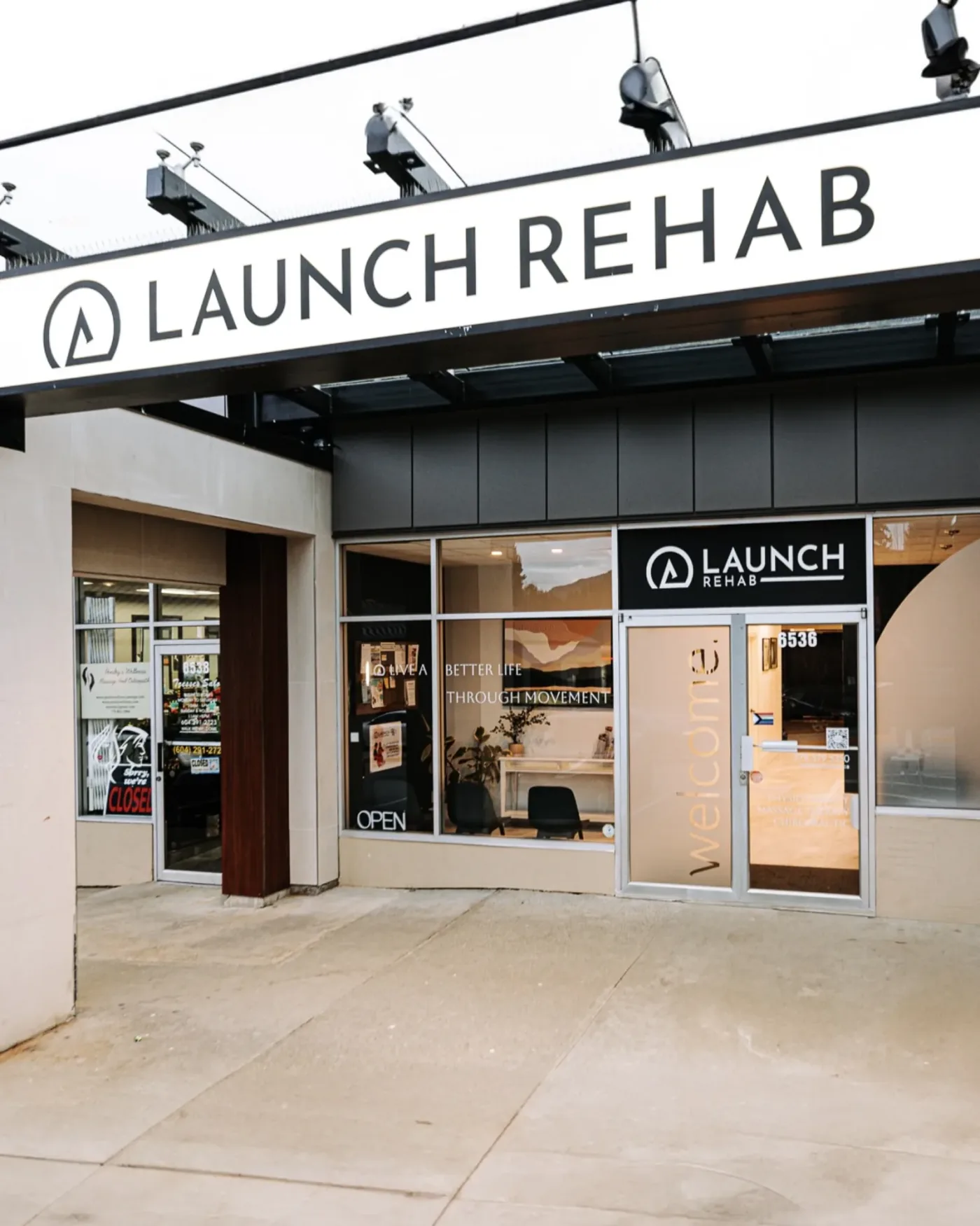
EST. 2015
LAUNCH REHAB NORTH BURNABY
Kensington Square Shopping Centre at Kensington Ave and Hastings St.
SHOULDER PHYSIO BY STUDIO
Shoulder Physio near you.
FAQ
Frequently asked questions.
No referral is needed to book a physiotherapist in BC. Many shoulder problems do not need a scan to start rehab, and scans of pain-free shoulders often show rotator cuff changes that do not match symptoms. Your therapist screens for the situations that do need imaging or a surgeon and refers you on when that is the case. A few extended-health plans still ask for a physician's referral before they reimburse, so check your own plan.
FROM THE JOURNAL