
BLOOD FLOW RESTRICTION THERAPY
Blood flow restriction (BFR) training in Metro Vancouver: build muscle with light weights while a joint heals.
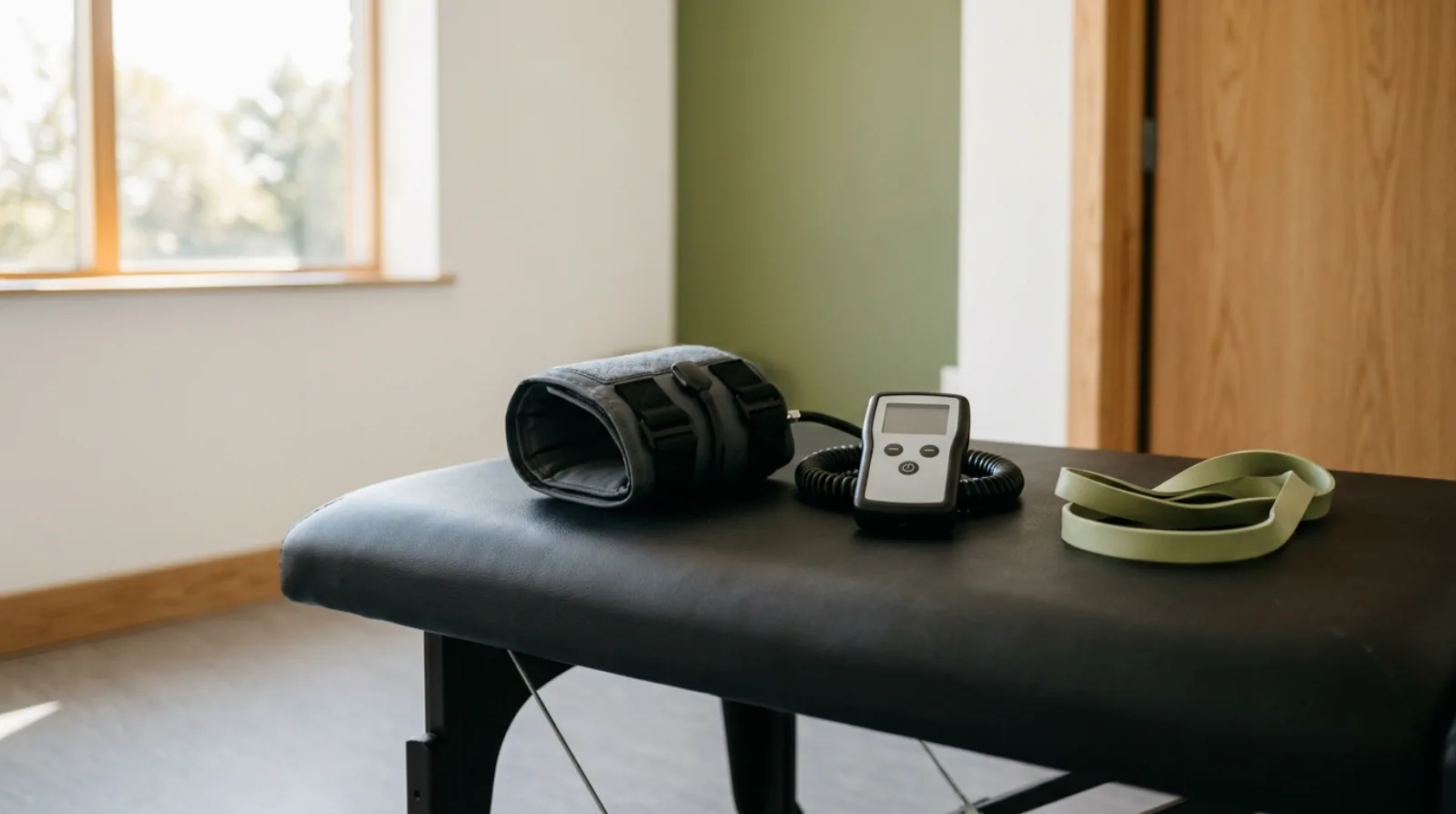
A pneumatic cuff, a light weight, and muscle growth in the range of heavy training. Used inside physiotherapy at our New Westminster studio after a health screen, for post-surgical knees, arthritic joints and stubborn tendons.
OVERVIEW
What is blood flow restriction therapy?
Blood flow restriction (BFR) training uses a pneumatic cuff at the top of the arm or thigh, inflated to a pressure set for your limb, to reduce blood flow into the working muscle and limit blood flow out of it. You then exercise with a light weight, 20 to 40 percent of the most you could lift once. The muscle runs low on oxygen quickly, tires early, and signals for growth much as it would under a heavy load. The joint, the healing graft or the sore tendon sees only the light load.
At Launch Rehab, BFR is used inside physiotherapy visits at our New Westminster studio by a registered physiotherapist, after a health screen and with the cuff pressure measured on your limb. It is not a stand-alone treatment. It is a way to keep muscle growing during the phase of a recovery when heavy strength work is painful, unsafe or not yet allowed, and it steps back as heavy loading becomes possible.
This page is general information, not personal medical advice or a diagnosis. A regulated practitioner can confirm what applies to your specific situation.
BENEFITS
What this work is for.
- Build muscle at loads a post-surgical knee or arthritic joint can accept
- Slow the rapid quadriceps loss of the first weeks after ACL surgery
- Strengthen around a tendon that flares under heavy loading
- Keep training a limb while a joint or graft is protected
- Progress toward heavy, unrestricted loading sooner
CONDITIONS WE TREAT
What we help with.
- After ACL reconstruction and other knee surgery
- Knee osteoarthritis
- Muscle loss with age or after immobilisation
- Achilles, patellar and rotator cuff tendinopathy
- Strength deficits after injury when heavy loading is restricted
WHAT TO EXPECT
Your session, step by step.
Health screen first
Every BFR session starts with a check for the conditions that rule the cuff out or need a physician's input: clot history, heart and vascular conditions, infection in the limb, recent surgery. Re-checked each visit.
Pressure measured on you
The cuff is inflated until the pulse below it stops, which gives your arterial occlusion pressure for that limb. The working pressure is set at 40 to 80 percent of it, never guessed.
Four sets under the cuff
A light exercise you already do, in sets of 30, 15, 15 and 15 repetitions with short rests. The muscle burns and tires early. The cuff is released before the next exercise.
A plan that moves to heavy loading
BFR is an early-phase tool. As the joint or tendon tolerates more, the load rises and the cuff comes out of the plan, because heavy training builds maximum strength better.
Health screen first
Every BFR session starts with a check for the conditions that rule the cuff out or need a physician's input: clot history, heart and vascular conditions, infection in the limb, recent surgery. Re-checked each visit.
Pressure measured on you
The cuff is inflated until the pulse below it stops, which gives your arterial occlusion pressure for that limb. The working pressure is set at 40 to 80 percent of it, never guessed.
Four sets under the cuff
A light exercise you already do, in sets of 30, 15, 15 and 15 repetitions with short rests. The muscle burns and tires early. The cuff is released before the next exercise.
A plan that moves to heavy loading
BFR is an early-phase tool. As the joint or tendon tolerates more, the load rises and the cuff comes out of the plan, because heavy training builds maximum strength better.
WHERE BFR HAPPENS
Blood flow restriction runs from our New Westminster studio.
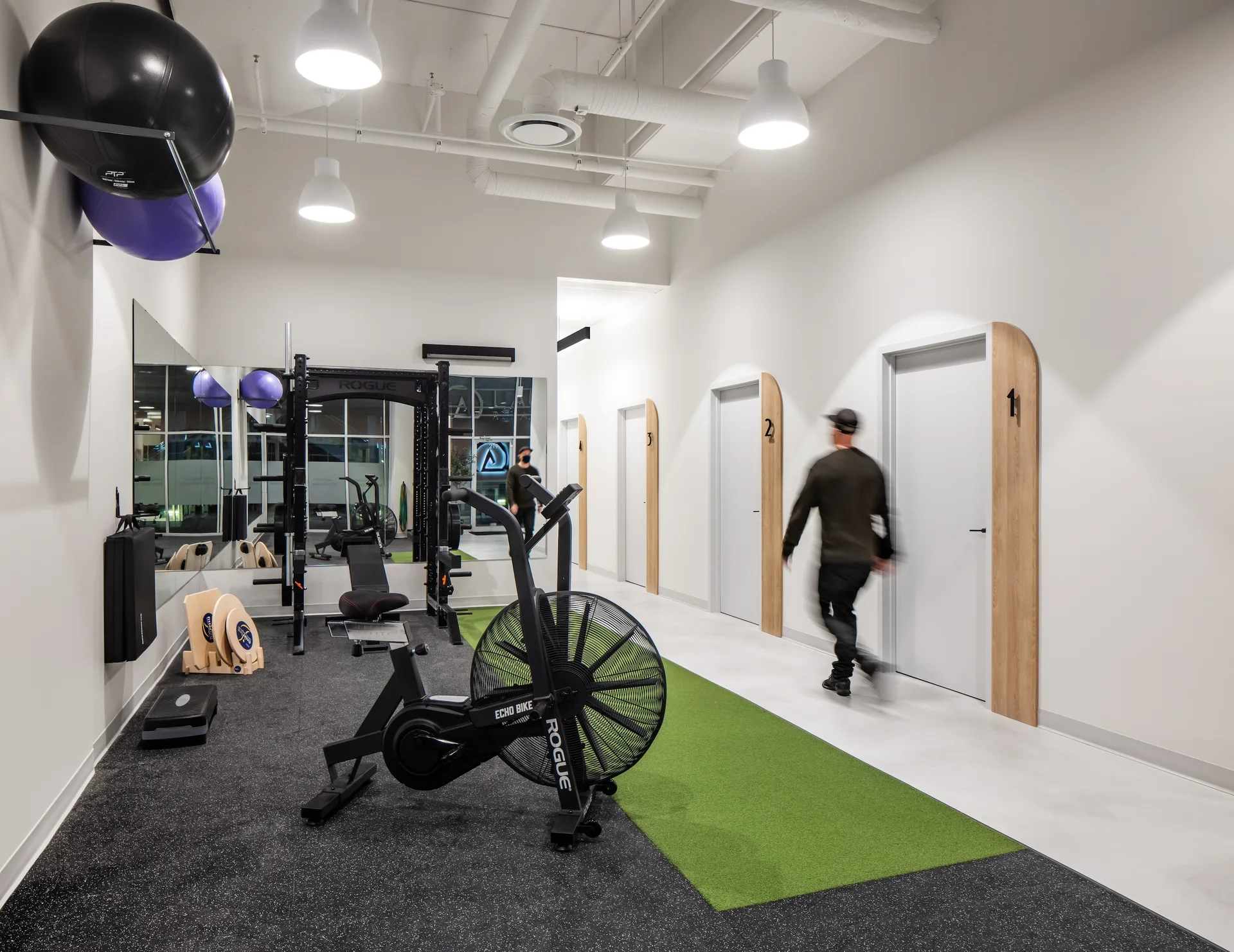
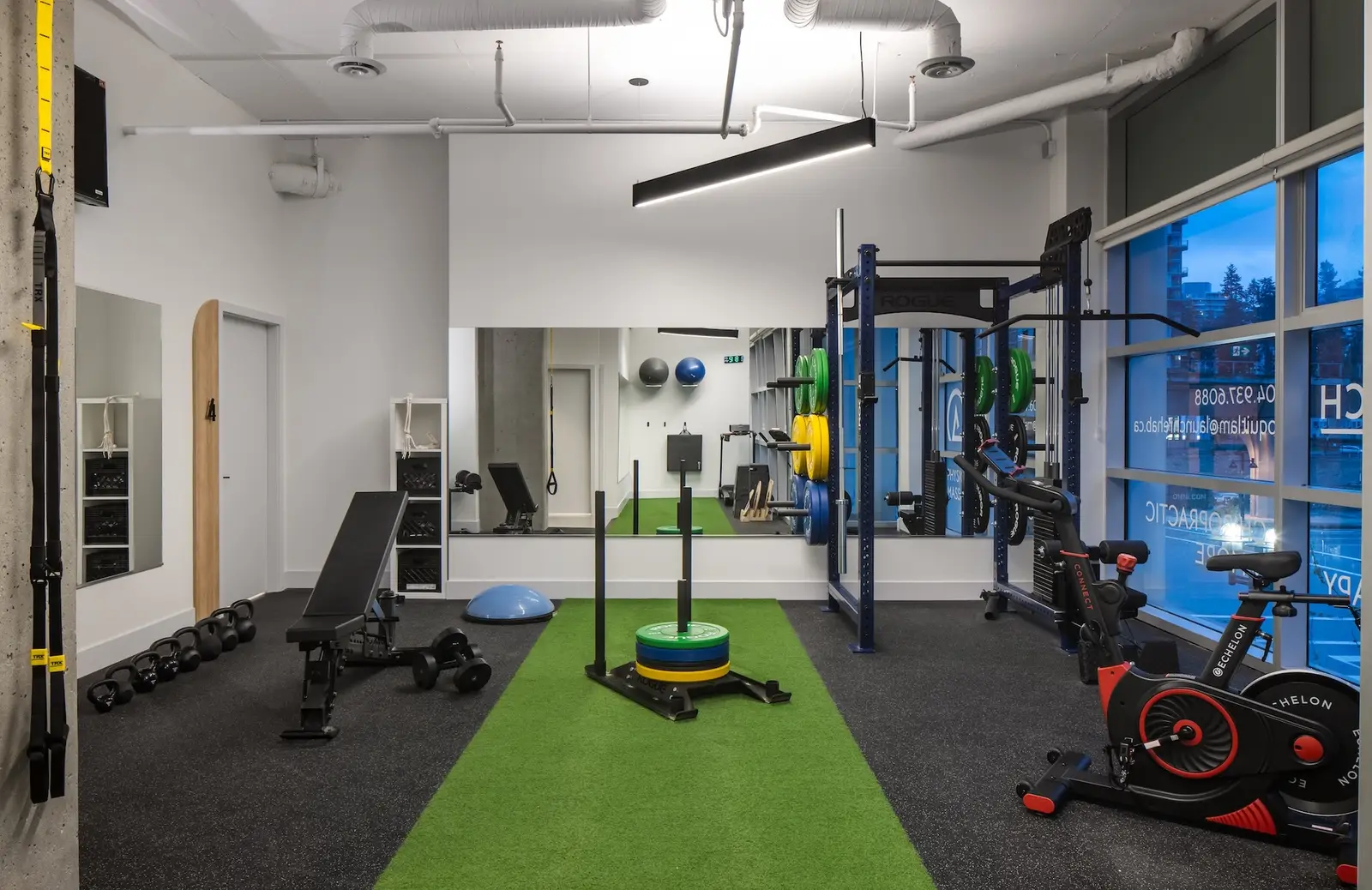
BFR is a New Westminster service, used inside physiotherapy visits. It needs the pneumatic cuff system, the gym floor, and a physiotherapist who applies it. That is here.
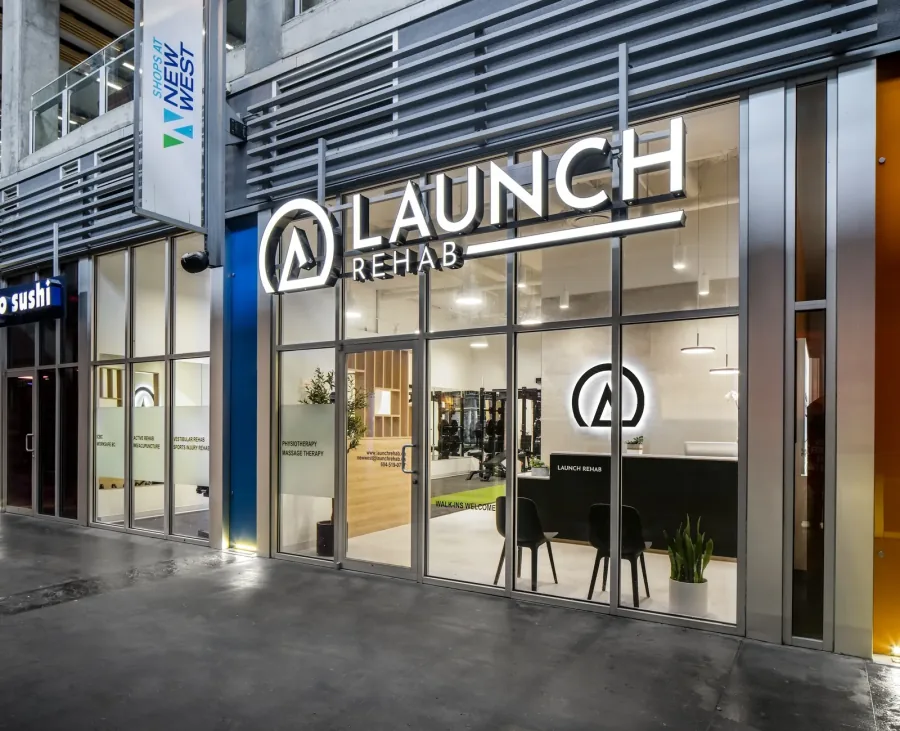
The studio is inside Shops at New West, above New Westminster SkyTrain station, with elevator access from the platform. If you are driving in from Burnaby, Coquitlam, Surrey or Richmond, Carnarvon Street parking and the mall parkade are a short walk away.
If you are not sure whether BFR suits your injury, book a physiotherapy assessment and say you want to discuss it, or call the studio and describe what heavy loading does to the joint. We will tell you which appointment to book, including when the answer is standard strengthening without a cuff.
- Applied by a physiotherapist registered with the College of Health and Care Professionals of BC
- Pneumatic cuff with pressure set from your measured arterial occlusion pressure
- Health screen before the first application and re-checked every visit
- Full gym floor on site, so the rest of your strength program runs in the same session
- Direct billing to most insurers, ICBC and WorkSafeBC on approved claims
LAUNCH REHAB NEW WESTMINSTER
- Address
- 219-800 Carnarvon St, New Westminster, BC V3M 0G3
- Getting here
- Inside Shops at New West, above New Westminster SkyTrain station
- Hours
- Monday to Friday 7am to 8pm, Saturday and Sunday 9am to 5pm
- Booking
- Physiotherapy initial assessment (60 min), then subsequent visits. No separate BFR fee
Call the studio
604-519-0777Email the studio
newwest@launchrehab.caBFR is used within physiotherapy visits. If you already see us at another studio, book the BFR sessions in New Westminster and the rest of your care can stay where it is.
UNDERSTANDING BLOOD FLOW RESTRICTION THERAPY
How blood flow restriction works, where the evidence stands, and how we apply it.
THE PROBLEM IT SOLVES
Muscle grows under heavy load, and injured joints refuse heavy load
Strength science long held that muscle only grows when you lift above about 65 percent of your one-repetition maximum, the heaviest weight you can lift once. That is a problem for almost everyone in rehab. A knee weeks out from ACL reconstruction cannot take a heavy squat. An arthritic knee hurts at heavy loads. A tendon in a flare protests. Under the old rule, those people waited for strength work until they could tolerate heavy weight, and lost muscle while they waited.
A 2000 study measured how fast that loss happens. People who did no exercise after ACL surgery lost 20.7 percent of their thigh muscle cross-sectional area in the early post-operative period. People who had a cuff inflated on the leg in bouts, without exercising, lost 9.4 percent. That was the first clinical signal that restricting blood flow changes what the muscle does with a small stimulus.
BFR exists for that gap. It sends the muscle a growth signal in the range of heavy training while the joint sees a quarter of the load. The 2015 review by Pearson and Hussain in Sports Medicine describes low-intensity exercise under blood flow restriction as consistently producing muscle growth at loads under 50 percent of maximum, and explains the mechanism: the low-oxygen state under the cuff forces the fast-twitch muscle fibres, the ones that grow most, to work on a weight that would normally never recruit them.
THE EVIDENCE
What the trials and meta-analyses found
The 2017 systematic review by Hughes and colleagues in the British Journal of Sports Medicine pooled 20 studies in clinical groups: ACL reconstruction, knee osteoarthritis, older adults at risk of muscle loss, and one inflammatory muscle disease. Against the same light training without a cuff, BFR had a moderate effect on strength, with a Hedges' g of 0.523. Against heavy training, BFR produced smaller strength gains. The authors called it more effective and more tolerable than light training alone.
For muscle size, the picture is stronger. The 2018 meta-analysis by Lixandrão and colleagues in Sports Medicine found muscle mass gains from BFR similar to heavy training, while heavy training produced larger strength gains. That pair of findings, similar size and smaller strength, repeats across the literature and shapes how we use the cuff: to build and protect muscle while a joint or graft cannot take heavy loading, and to hand over to heavy loading once it is not.
The strongest single trial is a 2019 UK National Health Service study by Hughes and colleagues, in people after ACL reconstruction. BFR matched heavy training for strength gain (104 versus 106 percent in the operated leg) and muscle thickness (5.8 versus 6.7 percent), with a larger reduction in knee pain (67 versus 39 percent), less joint swelling and a larger gain in range of motion, and no adverse events. Two 2024 meta-analyses of 8 trials each found BFR started within 6 weeks of ACL surgery improved quadriceps volume and knee function scores over standard rehab.
IS IT FOR YOU
Who BFR is for, and where the evidence is thinner
The evidence is deepest after knee surgery, where the quad shrinks fast and heavy loading is restricted for weeks. It is next strongest in knee osteoarthritis and in older adults losing muscle, where a 2018 trial found BFR at 30 percent of maximum matched heavy training at 80 percent for strength, quadriceps size and function, with less exercise-induced knee pain. The reviews in that condition disagree on whether BFR beats standard training; they agree it is at least as effective and works at a load a painful knee accepts.
For tendon pain, the evidence is early. One 14-week trial found BFR matched heavy training for Achilles tendon stiffness and size in healthy tendons, and a 2022 scoping review found only 3 studies in painful tendons and made no definitive recommendation. We use BFR for tendons as a bridge to heavy loading, and we say so.
After ACL and other knee surgery
The best-supported use. Protects and rebuilds the quad in the weeks when the graft cannot take heavy load.
Knee osteoarthritis
Strength is the core treatment and heavy loading hurts. BFR builds strength at a tolerable load.
Older adults losing muscle
Adding the cuff to light training or walking produced larger strength and muscle gains across 11 studies.
Tendinopathy
A bridge when heavy loading provokes the tendon. Early evidence, used with that limit stated.
SAFETY
The clot question, answered from the data
Restricting blood flow on purpose raises an obvious worry about blood clots. The largest safety dataset, a 2006 survey of 12,642 people trained at 105 facilities in Japan, reported venous thrombosis in 0.055 percent and pulmonary embolism in 0.008 percent. The most common side effect was bruising under the cuff, in 13.1 percent, followed by numbness in 1.297 percent. A 2020 systematic review of 19 clinical studies found people doing BFR were no more likely to have an adverse event than people doing exercise alone.
Those rates come from screened people under supervision, which is how we apply it. The 2019 international position stand on BFR names the risk factors that matter most: a prior clot, major surgery, immobility and cancer. Our screen covers those and more, and repeats at every visit. Some conditions rule the cuff out for now; others need your physician's input first. The safety guide in this hub lists them.
This page is general information and does not replace assessment by a regulated practitioner. BFR is applied and supervised by a physiotherapist after a health screen. Do not buy a cuff and copy a protocol from this page.
IN THE CLINIC
How BFR is applied at Launch Rehab
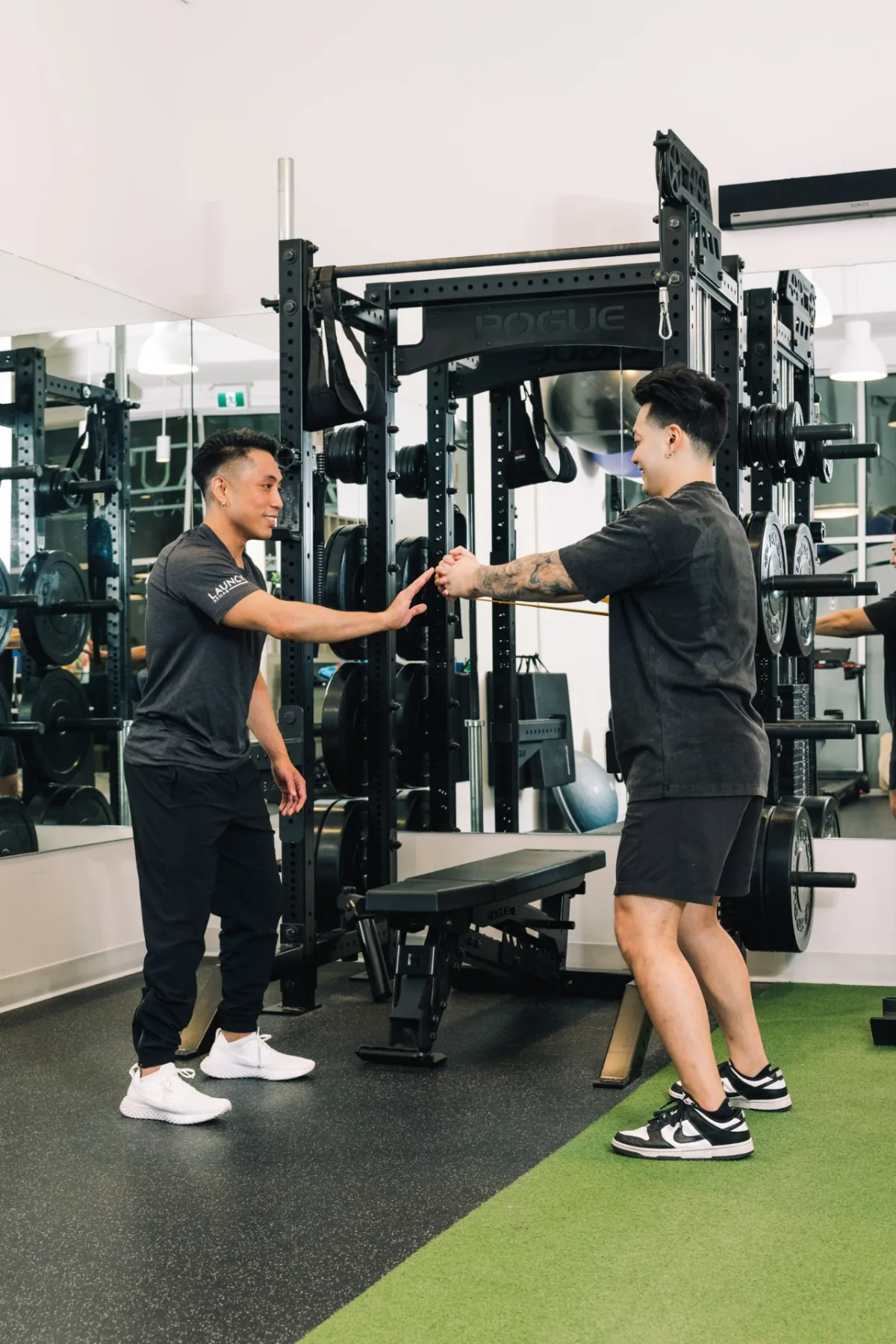
BFR is used within physiotherapy at our New Westminster studio, by Alex Carrod, registered physiotherapist, who integrates it into treatment plans for knee, running and cycling injuries and post-surgical rehab. The 2019 position stand sets the protocol we follow: load at 20 to 40 percent of your one-repetition maximum, cuff pressure at 40 to 80 percent of your measured arterial occlusion pressure, 75 repetitions across four sets of 30, 15, 15 and 15 with 30 to 60 seconds of rest, and 2 to 3 sessions a week, or a short daily block straight after surgery.
There is no separate BFR appointment and no separate BFR fee. You book a physiotherapy initial assessment, the screen and assessment happen first, and the cuff is used where it fits your plan. ICBC, WorkSafeBC, MSP supplementary benefits and extended health plans cover the physiotherapy visit in the usual way, and the cost guide in this hub walks through each.
In BC, physiotherapists are regulated by the College of Health and Care Professionals of BC (CHCPBC). BFR at Launch Rehab is delivered within physiotherapy scope of practice, at the New Westminster studio only.
THE BFR GUIDES
BFR guides: the evidence by condition, your first session, cost and safety.
How the cuff builds muscle with light weights, where the trials support it, what a session looks like, what it costs, and who should be screened first. Every guide ends with its sources.
Start here
What the cuff does, why light weights build muscle under it, and how it compares with heavy lifting.
How BFR works
A cuff, a light weight, and a lot of repetitions. Why muscle grows under partial blood flow restriction, in plain language.
READBFR vs heavy lifting
Heavy training still wins for pure strength. BFR matches it for muscle size at a fraction of the joint load. When each one is the right call.
READ
Knees, surgery and tendons
Where the research is strongest: after ACL surgery, in knee osteoarthritis, and for tendons.
BFR after ACL surgery
The strongest evidence for BFR is in the weeks after ACL reconstruction, when the quad shrinks fast and the surgeon restricts heavy loading.
READ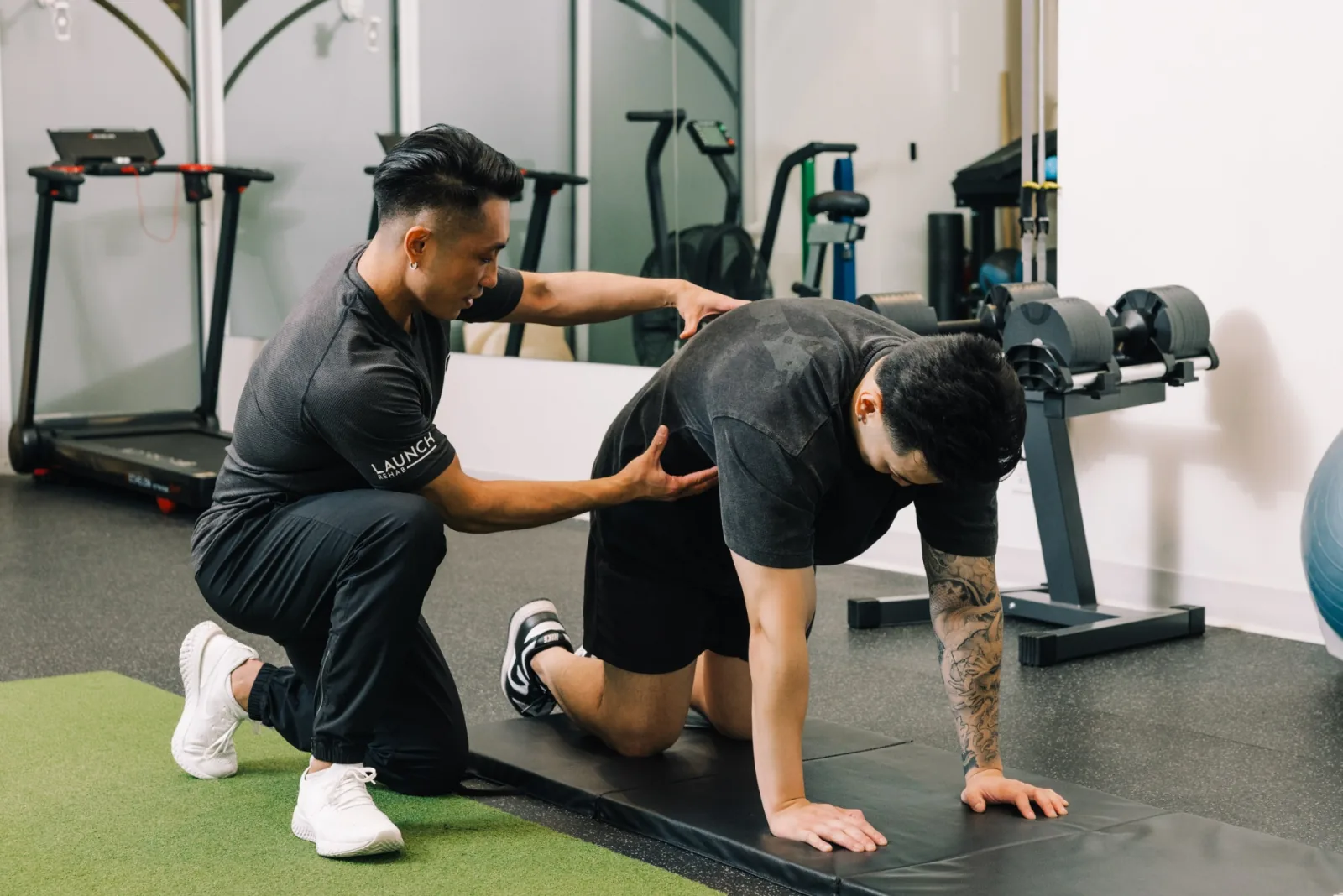
BFR for knee osteoarthritis and older adults
An arthritic knee needs a stronger quad and cannot tolerate heavy loading. What the trials say about BFR in knee osteoarthritis, and in older adults generally.
READ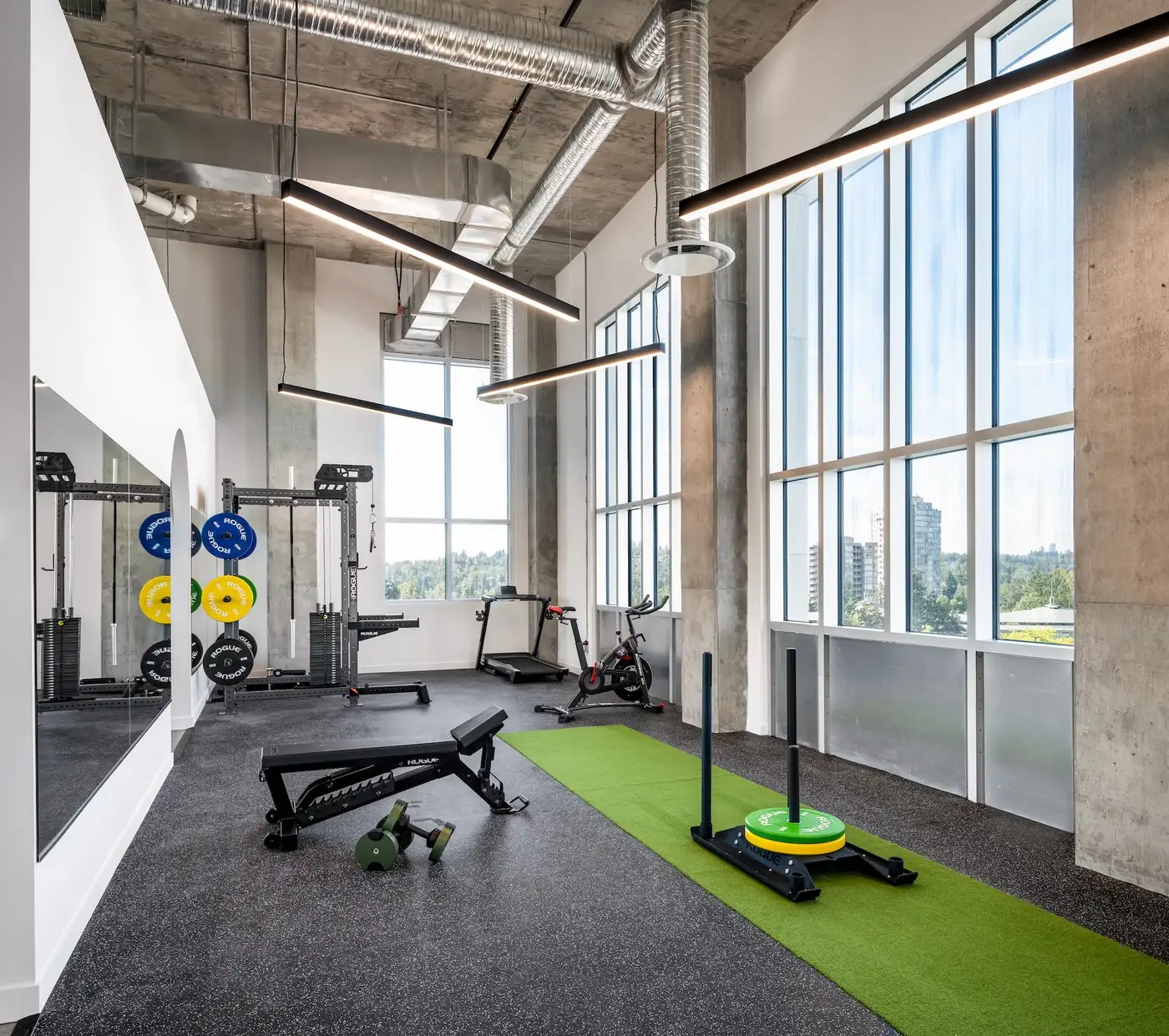
BFR for tendon pain
Tendons need load to recover and flare when loaded too hard. What one 14-week trial and a scoping review say about BFR for Achilles, patellar and other tendon problems.
READ
Booking, cost and safety
What a session looks like, what it costs, and who should be screened first.
Your first BFR session
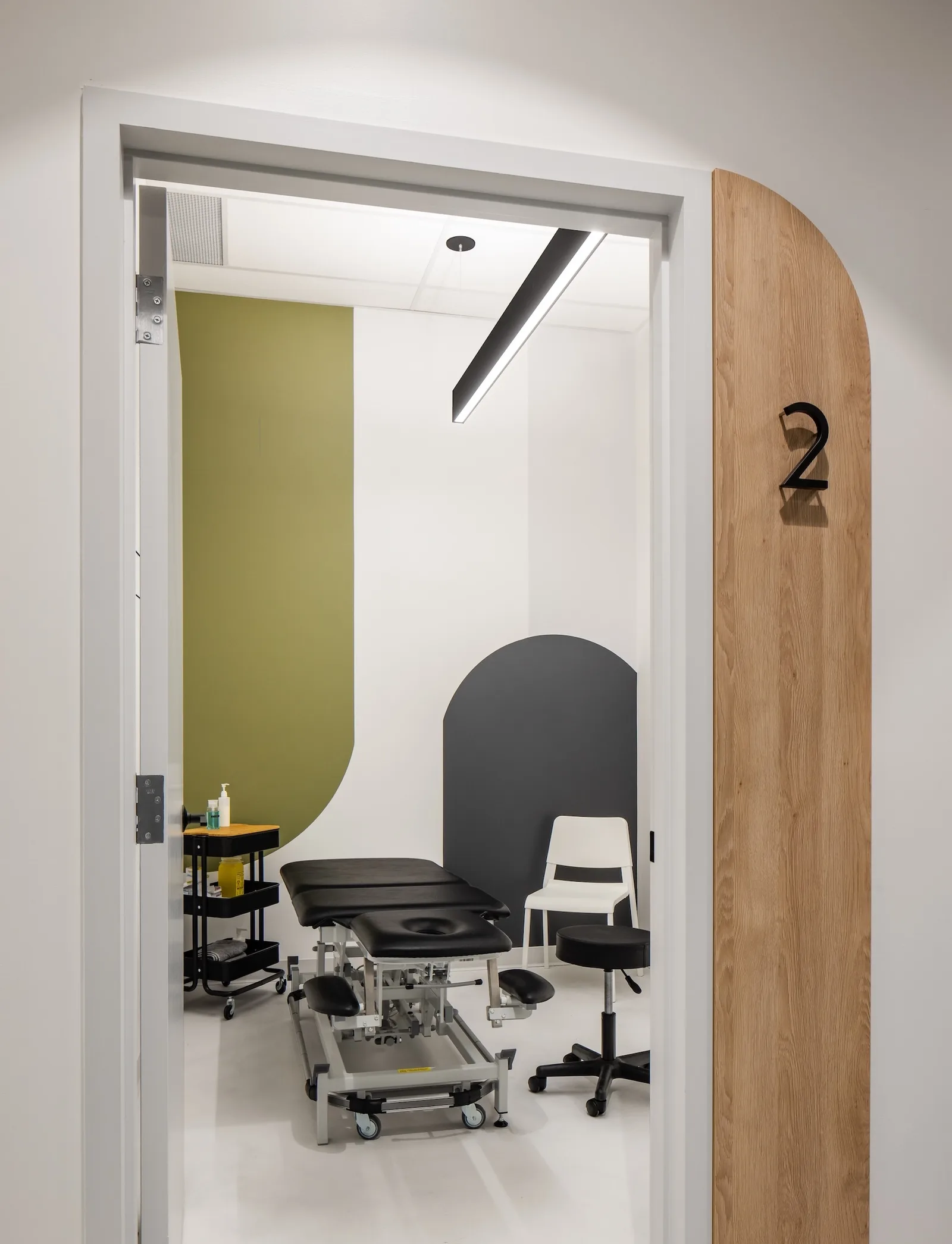
The screen, the pressure measurement, the first set of thirty, and what your leg feels like afterwards. What to expect, step by step.
READ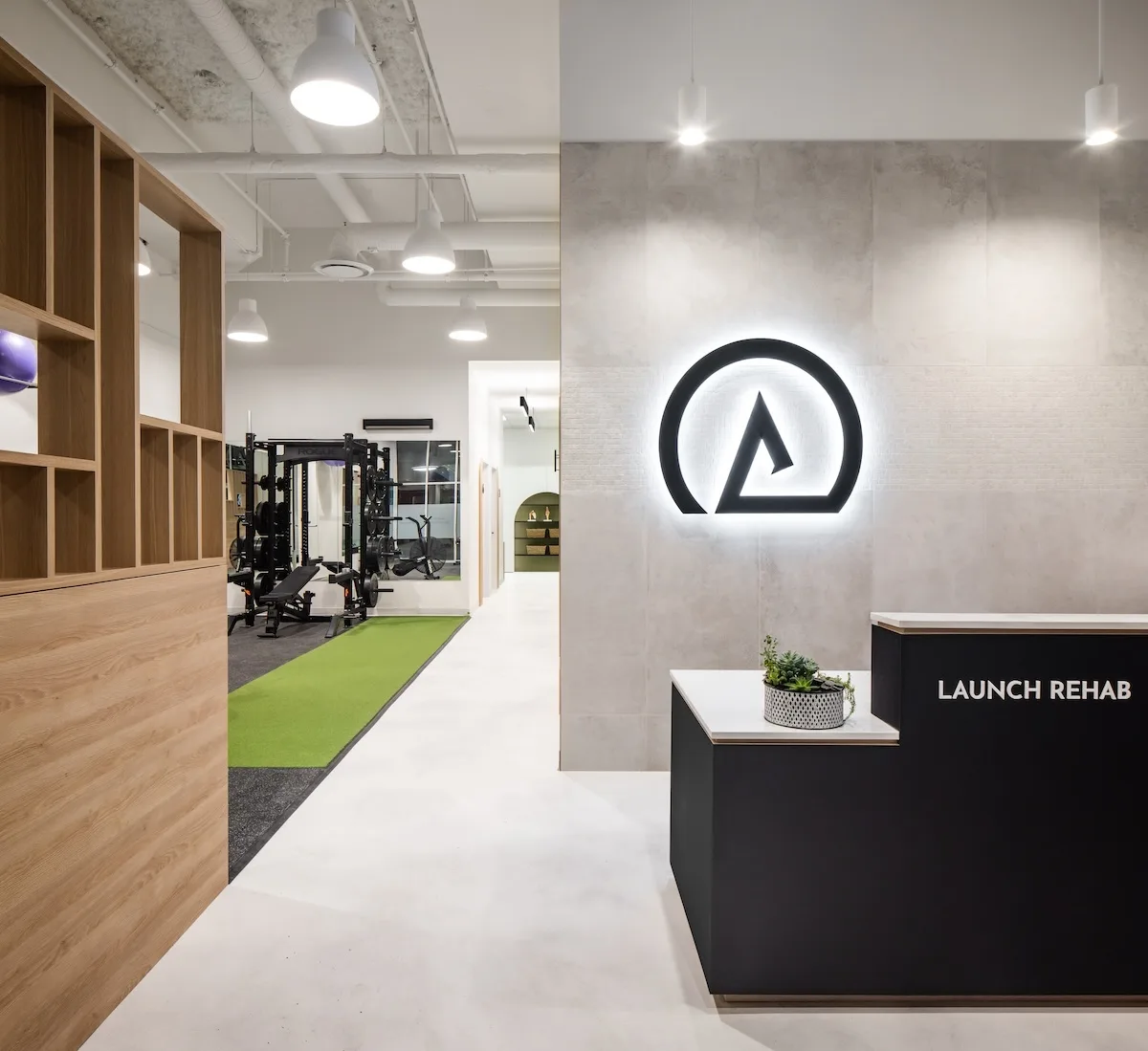
Cost and insurance
BFR is billed as the physiotherapy visit it sits inside. What that costs, and how ICBC, WorkSafeBC, MSP and extended health apply.
READSafety and who should not do BFR
The side effects with their measured rates, the clot question answered from the data, and the conditions that rule the cuff out or call for a closer screen.
READ
WHY LAUNCH REHAB
What you get with us.
One-on-one, always
The clinician who assesses you is the clinician who treats you and progresses your plan. No assistant hand-off.
Five Metro Vancouver studios
Lougheed, Coquitlam, Richmond, New Westminster and North Burnaby. Book at the studio nearest you.
Evenings and weekends
Appointments outside business hours so treatment fits around work, not the other way around.
Direct billing
ICBC, MSP, WorkSafeBC and most extended health plans billed directly by our client care coordinators.
Convenient parking
Free parking at our Lougheed, North Burnaby and Richmond studios; paid street and transit-station parking at Coquitlam and New Westminster.
Regulated practitioners
Every clinician is licensed by their BC college and held to its scope-of-practice and ethics standards.
OUR BFR PHYSIOTHERAPIST
Meet the therapist behind the care.
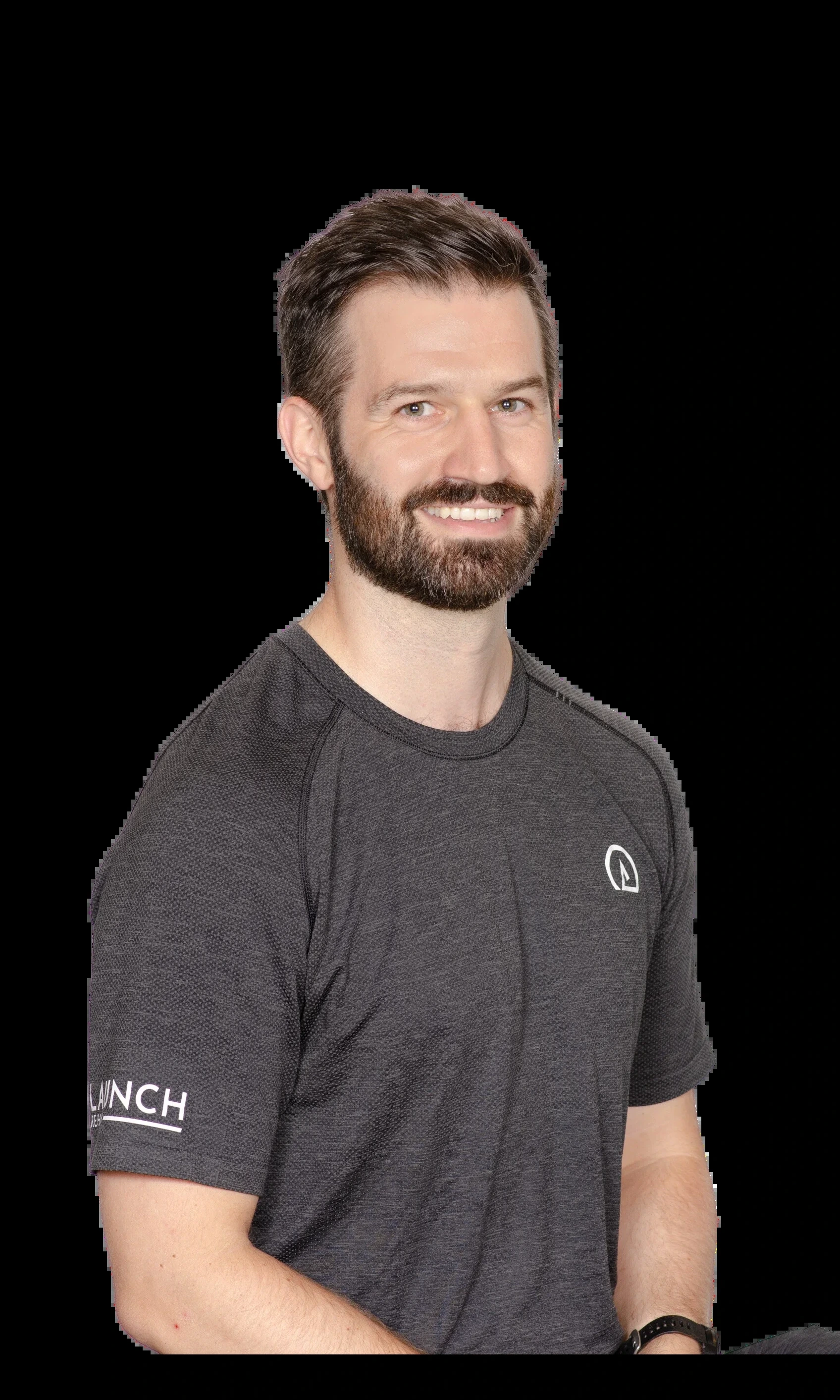
Alex Carrod
Physiotherapist
New Westminster
Alex is a registered physiotherapist who integrates blood flow restriction training into rehab plans for knee injuries, ACL reconstruction, and running and cycling injuries. He treats at our New Westminster studio.
KIND WORDS
What our clients say.

"After seeing different physiotherapists and chiropractors for over 10 years, I can confidently say Byron is one of the best physiotherapists I’ve worked with. From my very first appointment, he established that the goal wasn’t just to treat my pain temporarily, but to build a strong foundation so my back could heal properly for the long term. He took the time to thoroughly assess my condition and explained everything in a way that was easy to understand. For the first time, I truly understood why I was experiencing my symptoms and what the recovery process would look like. What really sets Byron apart is how thoughtful and patient he is. He always explains the purpose behind every exercise and how each one fits into my recovery plan. If an exercise feels too difficult or aggravates my symptoms, he genuinely listens to my feedback and quickly modifies the exercises so I can continue progressing safely. I never feel like my concerns are dismissed, and I always leave each session feeling informed, heard, and supported. After just one month of following his treatment plan, I’ve noticed a significant improvement in my back pain, strength, and confidence with movement. Although recovery will still take time, it’s been incredibly encouraging to regain a sense of control and independence in my daily life. It’s reassuring to see real progress after struggling with recurring back issues for so many years. Another thing I really appreciate is the teamwork at the clinic. If I’m unable to see Byron for one of my appointments, he collaborates closely with the another physiotherapist (Harleen) and thoroughly communicates my condition, treatment progress, and goals. Because of this, I never feel like I’m starting over with someone new. It’s reassuring to know I’ll receive the same high quality of care regardless of who I see. Overall, I’ve had a positive experience at Launch Rehab. If you’re looking for a physiotherapist who takes the time to educate you, creates a personalized recovery plan, and genuinely invests in your recovery, I highly recommend Byron. The quality of care I’ve received has been exceptional, and I’m incredibly grateful for his help."
JOEY CHU · LOUGHEED
FIVE STUDIOS · METRO VANCOUVER
OUR LOCATIONS
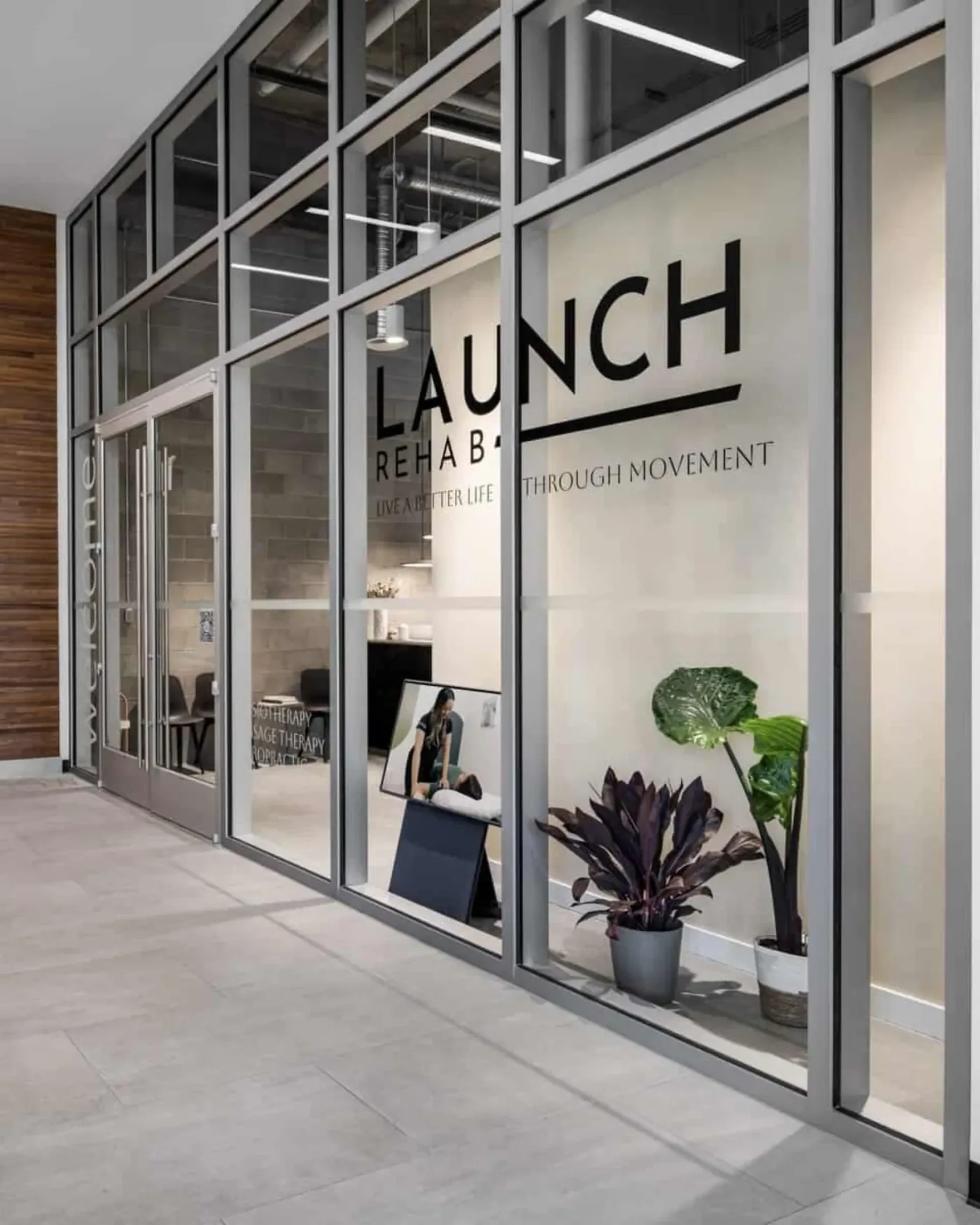
EST. 2025
LAUNCH REHAB LOUGHEED
Located next to LifeLabs in the City of Lougheed.
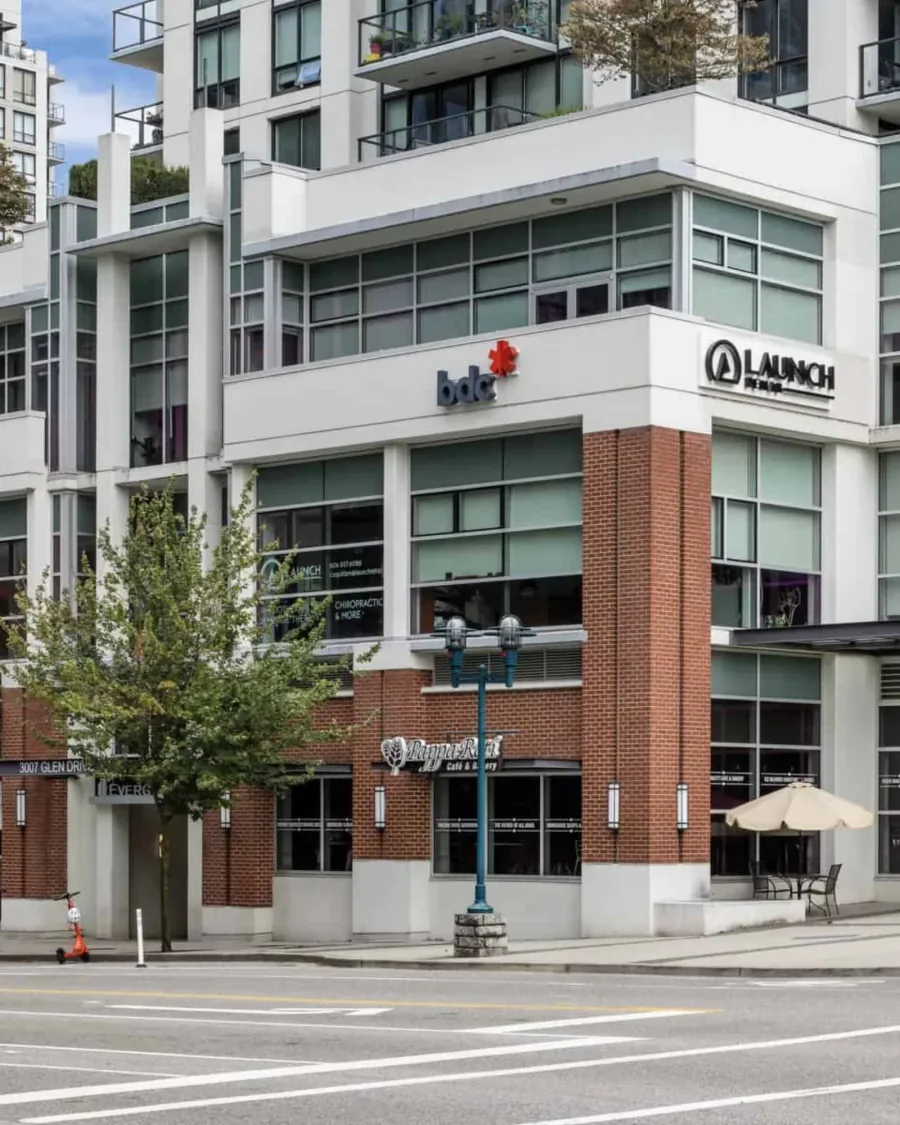
EST. 2024
LAUNCH REHAB COQUITLAM
On the second floor of the Evergreen building at Pinetree Way and Glen Dr.
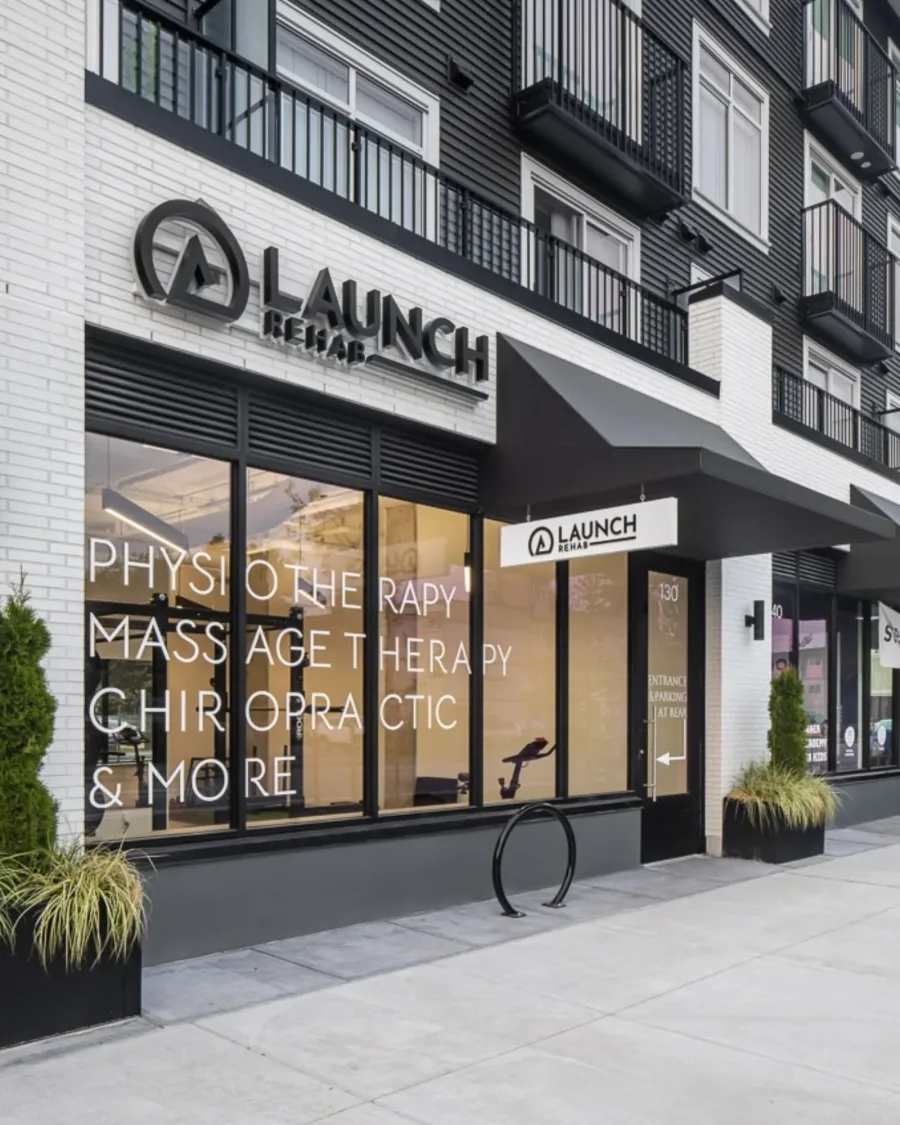
EST. 2023
LAUNCH REHAB RICHMOND
Northeast corner of Williams Rd and No. 3 Rd in Broadmoor.
EST. 2021
LAUNCH REHAB NEW WESTMINSTER
Second floor of the Shops at New West, inside the Skytrain Station.
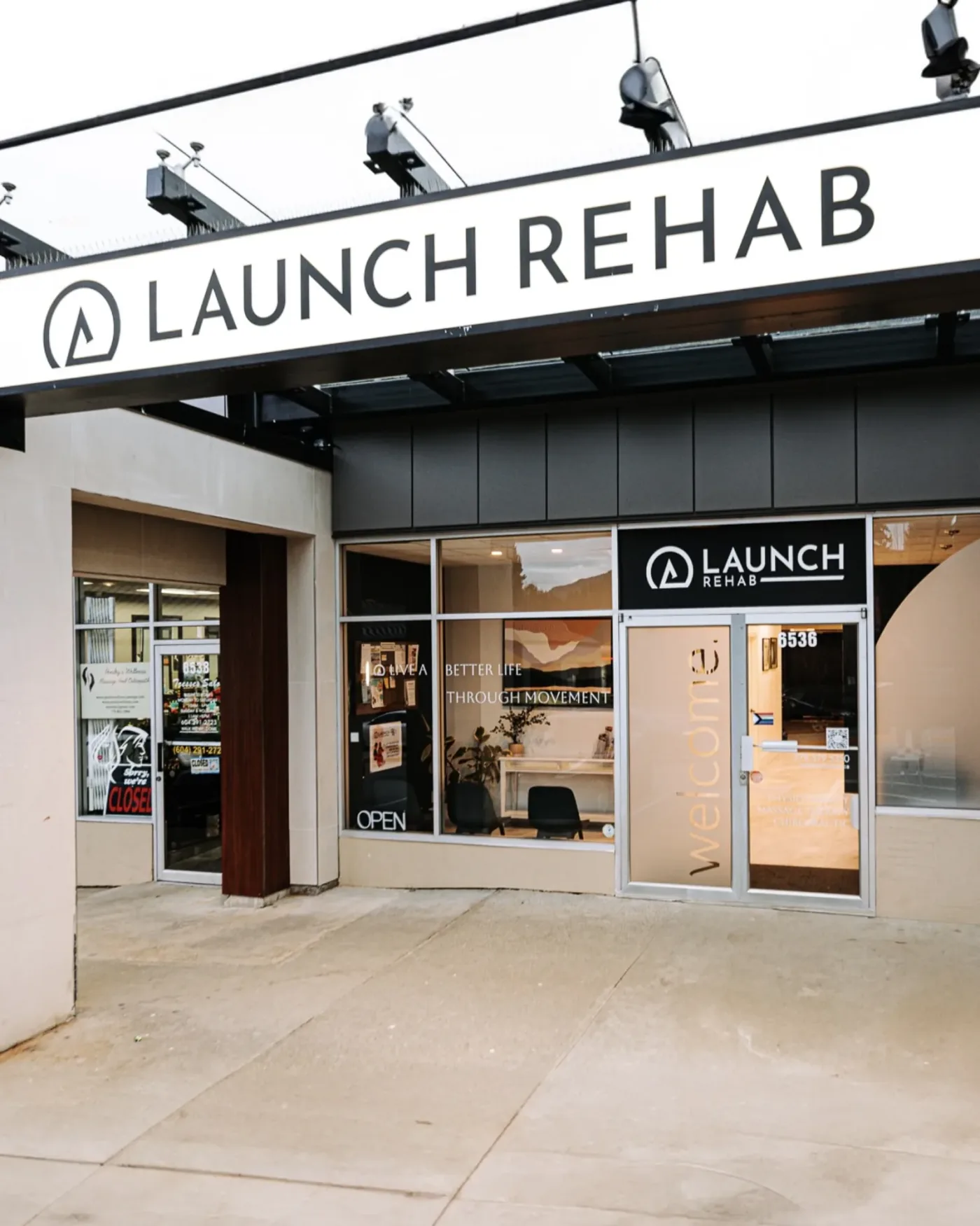
EST. 2015
LAUNCH REHAB NORTH BURNABY
Kensington Square Shopping Centre at Kensington Ave and Hastings St.
FAQ
Frequently asked questions.
New Westminster only, as of 22 September 2026. BFR is used there inside physiotherapy visits by a registered physiotherapist. It is not offered at Lougheed, Coquitlam, Richmond or North Burnaby. If you normally attend another studio, book the BFR sessions in New Westminster and keep the rest of your care where it is.
FROM THE JOURNAL
Read more about blood flow restriction therapy.
READY?
Book your blood flow restriction therapy in New Westminster.
By appointment at 219-800 Carnarvon St, New Westminster, BC V3M 0G3. Not sure which appointment you need? Call 604-519-0777 and describe what happens on the bike.