
ROAD BIKE FITTING
Road bike fitting in New Westminster.
A road position has to be efficient and survivable. Most riders can have both once the fit respects what their hips actually allow.
THE SHORT ANSWER
What does a road bike fit involve?
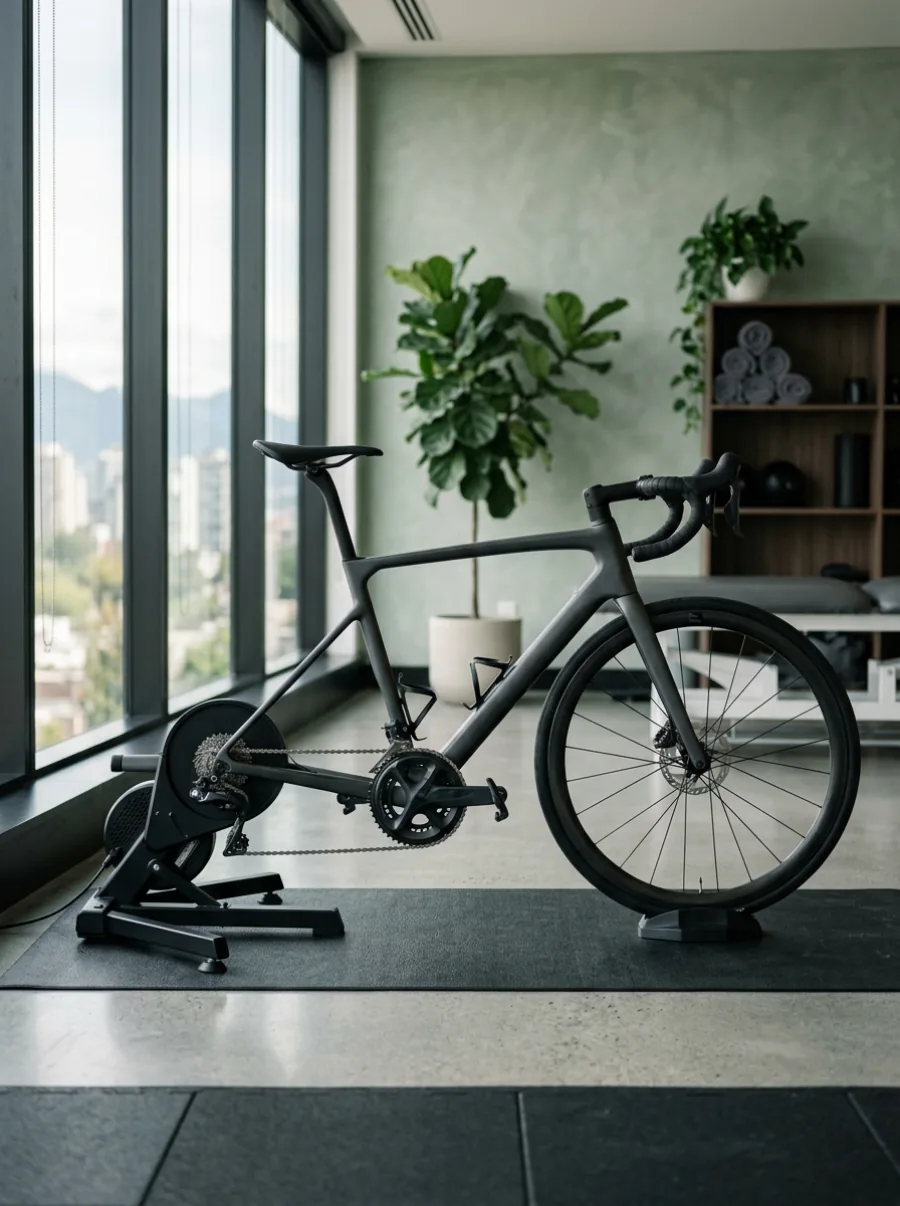
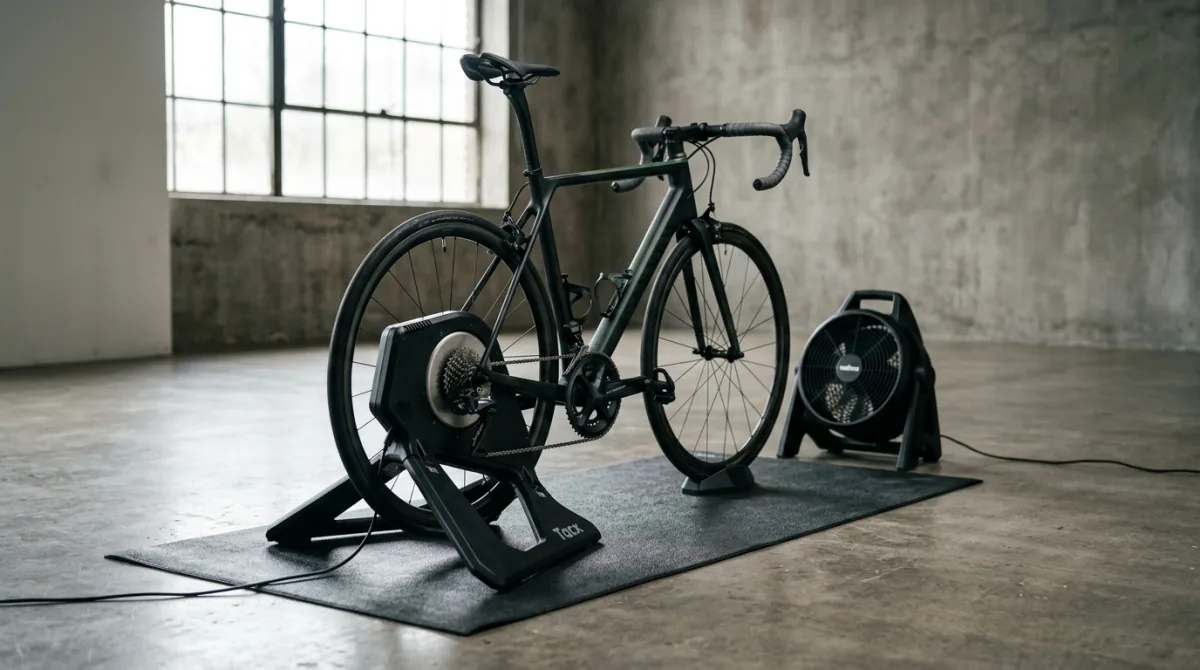
A road bike fit sets saddle height, saddle fore and aft, saddle tilt, cleat position, stance width, reach, bar height, bar width and lever position so you can hold an efficient position for the length of your actual rides. At Launch Rehab it starts off the bike, with an assessment of hip rotation, hamstring length, ankle range and trunk control, because those set the honest ceiling on how low and how far forward you can ride. The bike then goes on a stationary trainer, we film from the side and the front, and we change one thing at a time. It takes 90 minutes and you leave with every measurement written down.
6
Adjustments, made from the foot upward, one at a time
90min
The initial fit, including the off-bike assessment and the written summary
2 to 3yrs
How often a road position is worth rechecking
60min
The follow-up, once you have ridden the new position for a few weeks
Road riding is where fit matters most, because it combines the longest time in one position with the most aggressive posture of any everyday cycling. A gravel rider stands for rough sections. A mountain biker moves constantly. A road rider on a Sunday loop can sit in almost exactly the same position for four hours.
The classic road problem is a position copied from somewhere it does not belong. A stem length that suited a different frame, a saddle height carried over from an old bike, a drop borrowed from a professional whose hips rotate further than yours ever will.
None of that is a criticism of the rider. Road positions are hard to judge from the saddle, because the body is very good at making an unsuitable position feel normal until the ride gets long enough.
AT A GLANCE
- Session length
- 90 minutes, plus a 60-minute follow-up
- Where
- New Westminster studio, by appointment
- Bring
- Your bike, your shoes, your pedals, your riding kit
- You leave with
- Every measurement written down
WHAT WE PRIORITISE
Sustainable first, efficient second
Riders often expect a fit to be a trade between comfort and speed. In practice they move together more than they compete. A position you keep shifting out of is not producing good power, because you are spending energy managing discomfort rather than pushing pedals.
So the order is: find the position your body can genuinely hold for your longest ride, then optimise within that. Where a more aggressive position is a goal, it becomes something to work toward over a season with specific mobility and strength work, not something to force in one session.
Hold it for the whole ride
A position that is comfortable for 30 minutes and painful at three hours is a position that needs changing.
Power through the pedals
Saddle height and fore and aft set how well your legs can apply force through the strongest part of the stroke.
Weight distribution
Enough weight on the saddle that your hands are steering rather than supporting you.
Room to move
A good road position gives you several usable hand positions, not one you are stuck in.
WHAT WE CHANGE
The adjustments, in the order we make them
Everything on a bike is connected, so the order matters. Change the cleat and the effective saddle height changes. Change the saddle and the reach changes. We work from the foot up and never move two things at once.
1. Cleat fore and aft, rotation, stance width
Sets where force enters the system and the path the knee travels. Everything above inherits it.
2. Saddle height
The single most influential number. Too low loads the front of the knee, too high pulls behind it and rocks the hips.
3. Saddle fore and aft
Sets where your knee sits relative to the pedal and how your weight is balanced between saddle and bars.
4. Saddle tilt
A degree or two decides whether you sit still or slide forward onto your hands all ride.
5. Reach and bar height
Stem length and spacers, set once the lower body is settled, against what your hips and back actually allow.
6. Bar width and lever position
Shoulder comfort and wrist angle, and often the difference between numb hands and comfortable ones.
RIDING HERE
What Metro Vancouver road riding asks of a position
Local riding has a shape to it, and it affects what a road position needs to tolerate. A lot of riders here do long flat stretches along the river and the dyke routes, then hit sustained climbs on the North Shore or up Burnaby Mountain. Those two demand different things.
Flat riding rewards a position you can hold still in for a long time. Sustained climbing puts more load through the front of the knee, more hip flexion at the top of the stroke, and more time seated at low cadence. Riders who spend the winter flat and the spring climbing often get their first knee complaint in April.
Then there is the weather. Half the year here means riding in the wet, in more layers, with more time on the hoods and less time in the drops. It is worth setting a position that works in a jacket, not only in a summer jersey.
BUYING A BIKE
Fit before you buy, if you can
The most useful time to get fitted is before you spend money on a frame. A fit on your current bike produces a set of numbers, and those numbers tell you which frame sizes and geometries can actually be set up for you.
It is a much cheaper conversation to have in advance. Frames differ enough between brands that the same nominal size can require a very different stem to reach the same position, and some combinations simply cannot be made to work without compromises you will feel later.
If the bike is already bought, come in before the first long ride rather than after the first sore knee.
- Numbers travel, frames do not. Your fit numbers can be applied to any bike. A frame that cannot reach them is the wrong frame.
- Between sizes. This is exactly when a fit pays for itself. The right answer depends on your proportions, not on a size chart.
- Integrated cockpits. Modern bikes increasingly have bars and stems that are expensive and difficult to change. Getting the size right at purchase matters more than it used to.
ENQUIRE IN NEW WESTMINSTER
Book a fit if
- Something hurts on rides over an hour
- You have a new bike, or you are about to buy one
- You never feel settled and keep moving around on the saddle
- Your rides have got longer or hillier this season
- You had a fit years ago and your body has changed since
- You want to ride lower and cannot hold the position you have
LAUNCH REHAB NEW WESTMINSTER
Bike fitting runs from our New Westminster studio, by appointment. Tell us what happens on the bike and we will tell you whether you need a fit, a physiotherapy assessment, or both. It is a two-minute conversation and it saves booking the wrong thing.
- Address
- 219-800 Carnarvon St, New Westminster, BC V3M 0G3
- Getting here
- Inside Shops at New West, above New Westminster SkyTrain station
Bike fitting is by appointment only and books out during the spring and summer riding season. Enquire early if you have an event coming up. About the New Westminster studio.
FAQ
Common questions.
About 90 minutes for the initial fit, covering the off-bike assessment, baseline video, the adjustments and the written summary. A follow-up after you have ridden the new position for a few weeks takes about 60 minutes and is where the small refinements happen. Most riders benefit from that second session.
KEEP READING
More from the bike fitting guides.
- By type of bike
Gravel bike
Longer days, rougher surfaces, more standing. Control and comfort earn their place over pure efficiency.
READ - By type of bike
Triathlon and TT
The hardest fit to get right. A low position held for hours, and in triathlon you still have to run after it.
READ - How a fit works
What happens in a fit
The full 90 minutes, step by step, from the first question to the numbers you take home.
READ
FROM THE JOURNAL
Related reading from our clinicians.
READY?
Book your bike fit in New Westminster.
By appointment at 219-800 Carnarvon St, New Westminster, BC V3M 0G3. Not sure which appointment you need? Call 604-519-0777 and describe what happens on the bike.