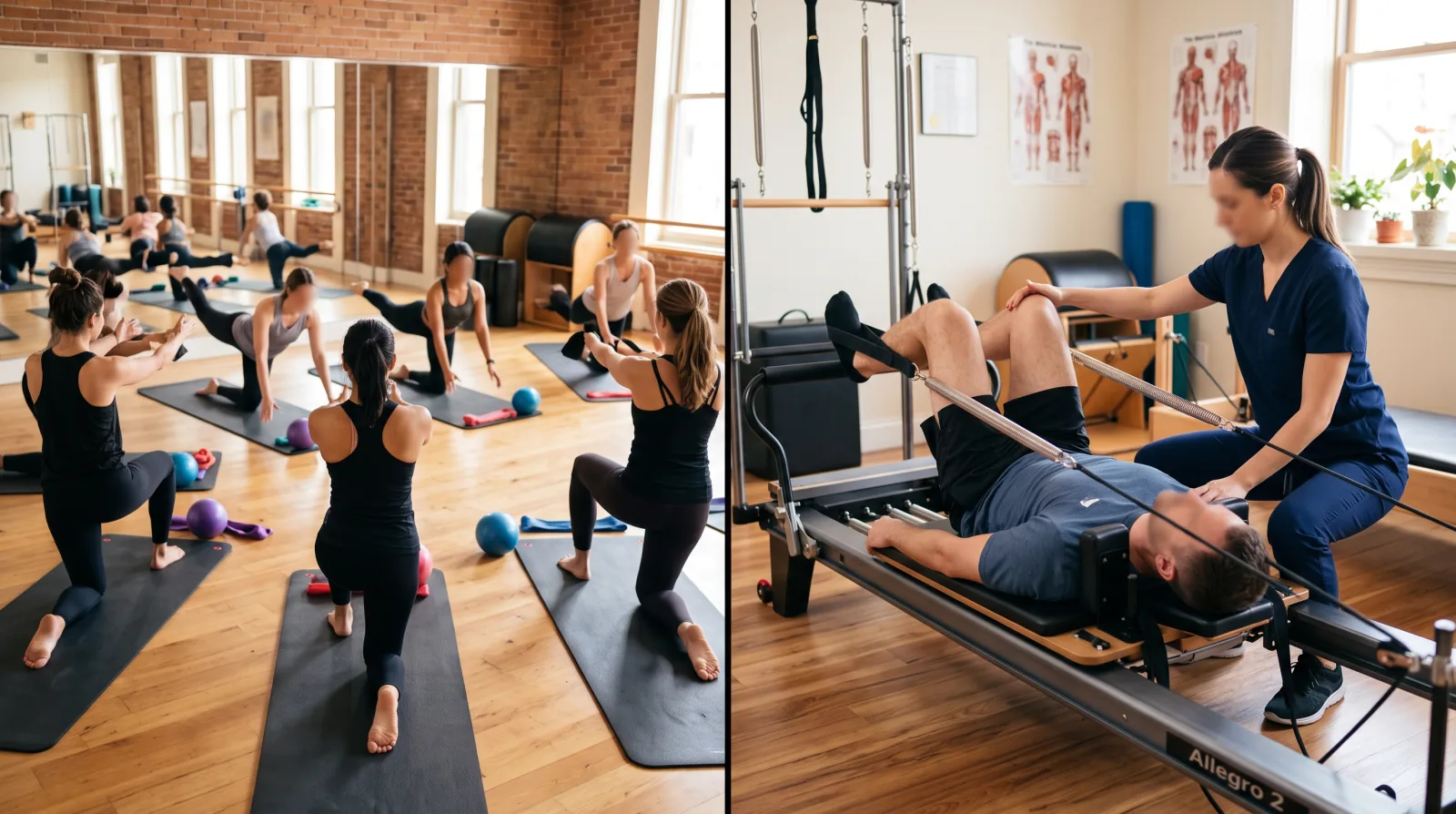

WorkSafeBC Physiotherapy: What Happens at Your First Visit in BC
A workplace injury puts you into a different system than a regular physio visit. Here is how a WorkSafeBC claim number comes together, what to bring to the first appointment, and what the assessment actually covers.
BY THE LAUNCH REHAB TEAM
A workplace injury does not just change what hurts. It changes which system pays for your care, what your physiotherapist has to document, and what the first visit is actually structured to find out. This is a plain walkthrough of how a WorkSafeBC claim gets started, what to bring to that first physiotherapy appointment, what the assessment covers, and how the whole process differs from a regular MSP-funded or private-pay visit.
How a WorkSafeBC claim number gets started
The claim starts with reporting the injury, not with booking a physio appointment. WorkSafeBC's worker claims page sets out the steps: tell your employer about the injury as soon as it happens, get first aid or medical treatment if you need it, and report the injury to WorkSafeBC yourself if your employer has not already done so. Your employer is also required to report the incident on their end.
Once WorkSafeBC opens a file, you get a claim number. That number is what a physiotherapy clinic uses to bill WorkSafeBC directly instead of billing you. There can be a gap between the day of the injury and the day the claim number arrives, and that gap varies with how complex the claim is. WorkSafeBC does not publish a fixed processing time on its claims page, so the honest answer is to ask your claims adjudicator directly if you need a firm date.
If your employer knows about the Early Access to Physiotherapy Program (EAPP), physiotherapy can sometimes start before the claim is formally accepted. That program has its own rules about which clinics participate and which injuries qualify, and it is a narrower topic than this guide. The plain-English EAPP guide covers how that specific pathway works, including which studio is on the authorized provider list. This post is about the general case: what happens once you have, or are waiting on, a standard WorkSafeBC claim.
What to bring to your first physiotherapy visit
A first visit under a WorkSafeBC claim runs more smoothly when the paperwork side is sorted before you sit down with the physiotherapist. Bring:
- Your WorkSafeBC claim number, if it has been issued
- The date of the injury and a plain description of what happened
- Your employer's name and, if you know it, whether they are registered with WorkSafeBC (most BC employers are)
- Any notes from an emergency room, walk-in clinic, or your family physician if you were seen before the physio visit
- A general sense of your job's physical demands: lifting, standing, repetitive motion, driving, or whatever applies to your role
If you do not have a claim number yet, say so at booking. The clinic can still see you and hold the file until the number is confirmed, but tell the front desk up front rather than leaving it for the assessment itself.
What the first assessment actually covers
A WorkSafeBC physiotherapy assessment starts the same way most physiotherapy assessments do: a history of the injury, a look at your current symptoms, and a physical exam of the affected area. What makes it different is the level of detail expected around two things.
The first is the mechanism of injury. The physiotherapist asks exactly how the injury happened, not just what hurts. Was it a single lifting incident, a fall, a repetitive strain that built up over weeks, or something else. That detail becomes part of the clinical record WorkSafeBC uses to evaluate the claim, so precision here matters more than it would in a routine physio visit.
The second is your job. The physiotherapist asks about the physical demands of your specific role, because the functional goals set at this visit are tied to what you actually need to do at work, not a generic recovery target. If your job involves repeated overhead lifting, the assessment and the goals that follow are built around getting you back to that task safely, not just around reducing pain in general terms.
From there, the physiotherapist screens for anything that needs a different pathway, red flag symptoms, signs the injury is more complex than a straightforward sprain or strain, and sets an initial treatment plan.
How documentation and reporting to WorkSafeBC works
Under a WorkSafeBC claim, your physiotherapist reports on your progress at set points rather than only at the end of treatment. The exact reporting schedule and forms are set out in WorkSafeBC's health care provider resources for physiotherapists, and the clinic handles the submission side of that. What you need to know as the patient is simpler: the reports describe your functional status, what has improved, what has not, and what treatment is recommended next. That reporting is also what keeps ongoing sessions authorized, so gaps in attendance or in reporting can slow down continued coverage.
You do not fill out the clinical forms yourself. Your job is to show up, describe your symptoms honestly at each visit, and flag anything that changes, whether that is a new symptom, a flare after trying a work task, or a change in your job duties while you are recovering.
How this differs from a regular MSP or private-pay physio visit
A standard physiotherapy visit funded through MSP's supplementary benefit, or paid privately, does not carry the same reporting obligations. There is no claim number, no requirement to document a specific mechanism of injury for a third party, and no functional goals tied to a named employer's job demands. The physiotherapist still does a proper assessment and plan, but the paperwork stops with your own chart.
Under a WorkSafeBC claim, the physiotherapist is reporting to a third-party payer that is actively deciding whether to continue funding treatment. That changes what gets documented and how often, even though the hands-on care, the exercise prescription, and the manual therapy a physiotherapist might use look similar across all three funding types. Physiotherapists in BC are regulated by the College of Health and Care Professionals of BC (CHCPBC), and the scope of practice does not change based on who is paying. What changes is the documentation trail behind it.
What Launch Rehab can tell you about WorkSafeBC coverage
Launch Rehab direct bills WorkSafeBC for physiotherapy once a claim has pre-approval, so there is no charge to you for a covered session (current rates confirm this). Beyond that, the specific programs WorkSafeBC runs, including EAPP eligibility, extension approvals, and which providers are enrolled in which optional programs, are decisions WorkSafeBC makes and can change over time. If you want to know whether a specific WorkSafeBC program applies to your situation or to a particular studio, the most reliable answer comes from WorkSafeBC directly at 1-888-967-5377, or from asking at booking so we can check the current status before your first visit.
If your claim involves kinesiology sessions alongside physiotherapy, that has its own approval rule your physiotherapist manages, covered in our post on what changed for WorkSafeBC kinesiology in April 2026. And if you are not sure whether your injury falls under WorkSafeBC or ICBC, for example a crash that happened while driving for work, our WorkSafeBC vs ICBC comparison walks through how to tell which system applies.
The most useful thing you can do before a first visit is gather what you know: the injury date, how it happened, your claim number if you have one, and a rough sense of your job's physical demands. The rest is something your physiotherapist builds with you at the assessment.
This article is general information about how WorkSafeBC physiotherapy claims typically work, not personal medical or legal advice. WorkSafeBC policies and program details can change. Confirm current eligibility, coverage, and reporting requirements with WorkSafeBC or your employer for your specific claim.
Frequently asked questions
Do I need a WorkSafeBC claim number before I can book a physiotherapy appointment?
No. You can book a physiotherapy visit while your claim is still being processed. Tell the clinic at booking that you do not have a claim number yet. They can note the file and update it once WorkSafeBC issues the number. Some clinics may ask you to pay privately in the interim if the claim has not been accepted yet, so confirm that at booking too.
What is the difference between this guide and the EAPP guide?
This guide covers the general process for any WorkSafeBC physiotherapy claim, from reporting the injury through the first assessment and ongoing reporting. The EAPP guide covers a specific WorkSafeBC program that allows physiotherapy to start on the day of injury, before the claim is accepted, through clinics enrolled in that program. Not every claim uses EAPP, and not every clinic is enrolled in it.
Will my WorkSafeBC physiotherapist ask about my job during the assessment?
Yes. A WorkSafeBC assessment usually includes questions about the physical demands of your specific role, because the treatment goals are tied to getting you safely back to those job tasks, not just to a general recovery target. Bring a clear description of what your job requires physically if you can.
Does WorkSafeBC cover the full cost of physiotherapy?
WorkSafeBC covers physiotherapy at no charge to you once a claim is accepted and pre-approval is in place, and Launch Rehab bills WorkSafeBC directly for those sessions. Exact authorization periods and any extension process are set by WorkSafeBC and can change, so confirm current details with WorkSafeBC or ask at booking.
What happens if my employer disputes the injury or the claim?
That is a claims question for WorkSafeBC to resolve, not something a physiotherapy clinic can decide. You can still be assessed and treated while a dispute is in progress, but coverage and reimbursement depend on how the claim is ultimately decided. WorkSafeBC's claims line can walk you through the dispute process for your specific file.
Is a WorkSafeBC physiotherapy visit different from a regular physio visit in terms of treatment?
The hands-on care, exercises, and manual therapy a physiotherapist provides are the same regardless of who is paying. What differs is the documentation: a WorkSafeBC claim requires detailed reporting on the mechanism of injury, functional status tied to job duties, and progress updates submitted to WorkSafeBC at set points in the claim.
Can I choose any physiotherapy clinic for my WorkSafeBC claim?
You can generally choose a clinic that is set up to bill WorkSafeBC directly, though some optional WorkSafeBC programs, like EAPP, are limited to enrolled clinics. Confirm with WorkSafeBC or the clinic itself whether your preferred location bills WorkSafeBC and, if EAPP matters to your situation, whether that clinic participates in it.
What if I need more physiotherapy sessions than WorkSafeBC first approved?
Your physiotherapist submits a report to WorkSafeBC describing your current functional status and the case for continued treatment. WorkSafeBC reviews that report and decides whether to extend the authorization, adjust the treatment approach, or move the claim to a different rehabilitation pathway. The specific visit counts and timelines for any authorization or extension are set by WorkSafeBC and can change, so confirm the current numbers with WorkSafeBC directly rather than relying on a fixed figure.
Sources
- WorkSafeBC, Worker Claims: Report an Injury or Disease, accessed January 2027
- WorkSafeBC, Physiotherapists provider page, accessed January 2027
- WorkSafeBC, Early Access to Physiotherapy Program (EAPP), accessed January 2027
- College of Health and Care Professionals of BC (CHCPBC): regulator of physiotherapists in British Columbia
WRITTEN BY
The Launch Rehab Team
Practical recovery and training notes from the clinicians at our five Metro Vancouver studios.
FOUND THIS USEFUL?
Share it with your network on LinkedIn. We wrote a ready-to-post version for you.
FILED UNDER
- worksafebc
- physiotherapy
- workplace-injury
- coverage
- first-visit
- bc